By Claire Whitaker
Updated November 2026
A milk frother for cappuccino turns cold milk into the thick, dense foam that defines the drink. Used correctly, it lets you build a cappuccino with roughly equal parts espresso, steamed milk and foam, without a commercial steam wand. This guide covers how to pick the right frother, the steps to get stable microfoam, and the mistakes that most often flatten the result.
Choose a Frother That Makes Dense Foam
Cappuccino needs foam that is thick enough to hold a spoon-supported dollop, not the light, bubbly froth you get from a quick shake. Heated frothers that spin or whisk the milk while warming it tend to produce the denser texture. Manual frothers work too, but they usually give you lighter foam and take more effort. If you drink cappuccinos regularly, look for a model that heats the milk, since temperature affects both sweetness and foam stability.
Shopping for one? See our guide: 7 Best Milk Frothers and Steamers for Home Use (2026).
Prepare the Milk and Pitcher
Start with cold whole milk straight from the refrigerator. Whole milk has the protein and fat balance that gives the most stable foam, though many owners report good results with 2% and with barista-style oat milk. Fill the frother’s container only to the level the manufacturer marks, because the milk expands as it aerates. Wipe the outside of the container dry before you start so the motor or heating element does not pick up moisture.
Froth and Heat the Milk
- Pour the cold milk into the frother up to the manufacturer’s fill line.
- Select the foam setting, or start the frothing cycle if your model has a single button.
- Watch the foam build. Stop the cycle once the volume roughly doubles and the foam looks uniform, with no large bubbles.
- If your frother heats the milk, aim for a target temperature in the range many baristas use for cappuccino, around 140 to 150°F (60 to 65°C). A thermometer helps you learn what that looks like.
- Tap the container gently on the counter for a few seconds to pop large bubbles and smooth the surface.
Build the Cappuccino
Pull a double shot of espresso into a 6-ounce cup, then pour the steamed milk slowly so it blends with the crema. Spoon the foam on top last. A cappuccino has a thinner layer of milk than a latte, so use less liquid and more foam. Check the official manual for your frother for exact capacity guidance, since fill lines vary widely between models.
Adjust for Your Taste
If the foam is too airy, shorten the frothing cycle or use slightly colder milk. If it collapses within a minute, the milk may be too warm or the fat content too low. Try a few cycles and note what changes.
Common Mistakes
- Overfilling the container, which leads to spills and uneven foam.
- Using warm or room-temperature milk, which makes foam less stable.
- Letting the milk overheat, which scorches the flavor and breaks down the foam.
- Skipping the tap-and-swirl step, which leaves large bubbles on top.
- Pouring foam before the milk, which puts the wrong layers in the wrong order.
Recommended Gear
A heated frothing pitcher or electric frother with a foam setting is the most direct upgrade for cappuccino drinkers. View on Amazon
A digital milk thermometer helps you hit the target temperature consistently while you learn. View on Amazon
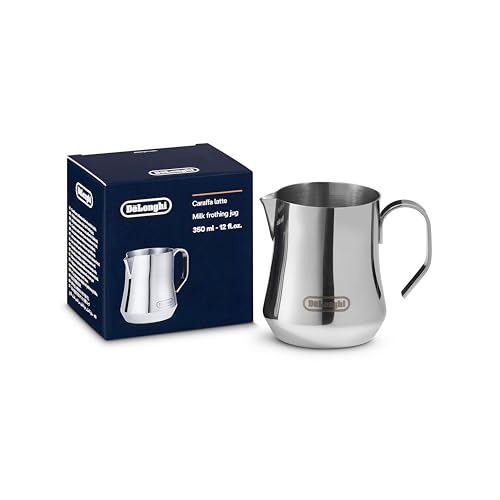
A stainless steel frothing pitcher with a clear pour spout gives you control when you top the drink with foam. View on Amazon
FAQ
Can I use a milk frother for cappuccino with plant-based milk?
Yes, but results vary. Barista-style oat and soy milks generally froth better than standard almond or rice milk. Check the frother’s manual for any plant-milk guidance.
How much milk should I froth for one cappuccino?
Most single cappuccinos use around 3 to 4 ounces of milk, which expands to a larger volume of foam. Start with the lower end and adjust based on how the foam fills your cup.
Why does my foam disappear quickly?
Foam usually collapses because the milk was too warm, too old, or low in fat. Use fresh cold milk, stop the cycle at the right point, and tap out large bubbles before pouring.
Conclusion
A milk frother for cappuccino works best when you pair cold whole milk, the right fill level and a stop point you learn by watching the foam. Once you have the timing down, you can repeat the drink reliably. Adjust one variable at a time and keep notes until the texture matches what you want.
Related reading
- Smeg Mini Milk Frother: How to Get Better Foam at Home
- Smeg Milk Frother Guide: Better Foam at Home, Step by Step
- Nespresso Milk Frother: How to Get Silky Foam at Home
- Milk Frothers for Coffee: How to Choose and Use One Well
- Milk Frother Machine Guide: How to Choose and Use One
Ready to choose one?
About Claire Whitaker
Claire Whitaker is part of our editorial team and reviews and edits our coffee gear & accessories guides, checking product details against manufacturer specifications and owner feedback.