 By Claire Whitaker
Updated November 2026
A Nespresso milk frother works by spinning a whisk or pumping air through milk while heating it, which traps tiny bubbles and creates foam. Once you understand that process, you can pick the right setting, choose the right milk, and troubleshoot weak or uneven froth. This guide explains how the frother does its job and what you can do to get better results.
What Happens Inside the Frother
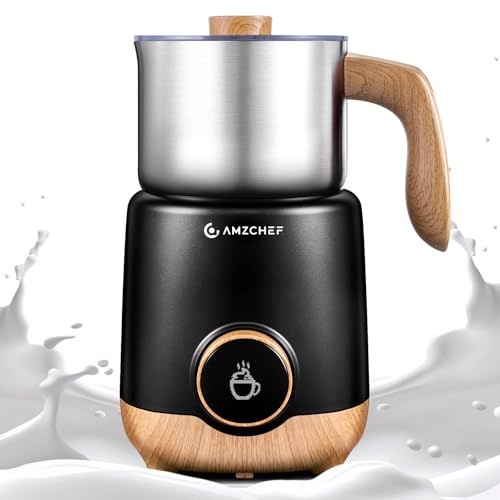
Most Nespresso milk frothers, including the Aeroccino line, have three working parts: a removable jug, a whisk or frothing disc at the base, and a heating element. When you start a cycle, the whisk spins quickly and pulls air down into the milk. The spinning motion breaks the air into small bubbles and spreads them through the liquid.
Shopping for one? See our guide: 6 Best Nespresso Machines with Milk Frother for Home Use (2026).
At the same time, the heating element warms the milk. Heat changes the milk proteins so they can hold the bubbles in place. That is why the foam stays put instead of collapsing right away.
How the Two Main Functions Differ
Nespresso frothers typically offer a cold froth setting and a hot froth setting. The cold setting only whisks the milk, so the foam is airy but loose and dissolves quickly. It works well for iced drinks or cold foam toppings. The hot setting does both jobs at once, producing thicker, creamier foam that suits cappuccinos and lattes.
Manufacturers generally recommend choosing the setting that matches your drink. If you want a dense, glossy microfoam, use hot.
Step-by-Step: Getting Foam From Your Frother
- Fill the jug to the MIN and MAX markings. Going below the minimum often gives thin, bubbly foam, and going above the maximum can cause spills.
- Use cold milk straight from the refrigerator. Whole milk usually creates the most stable foam, though many owners report good results with 2% and with barista-style oat milk.
- Attach the jug securely to the base and select hot or cold froth.
- Press start and wait for the cycle to finish. Most hot cycles take roughly a few minutes, depending on the model.
- Pour the foam by holding back the top layer with a spoon if you want to separate milk from foam.
Factors That Affect the Result
Several variables change how well the frother works. Milk fat content is the biggest. Milk with more fat holds bubbles longer, so foam looks richer and lasts. Milk temperature also matters: starting with cold milk gives the frother more time to build structure before the milk gets too hot.
Cleanliness plays a role too. Old milk residue on the whisk can block bubble formation and leave a sour taste. Rinsing the jug right after each use keeps the foam consistent.
| Setting | Heating | Best For |
|---|---|---|
| Cold froth | No | Iced drinks, cold foam |
| Hot froth | Yes | Cappuccinos, lattes, hot chocolate |
Common Mistakes
- Overfilling the jug, which can cause milk to overflow during the cycle.
- Using warm or room-temperature milk, which tends to produce weaker foam.
- Skipping the rinse, which leaves residue that affects the next batch.
- Expecting skim milk to match the texture of whole milk.
- Assuming the frother is broken when foam looks thin. Check the fill level and milk type first. If problems continue, see Nespresso Frother Not Frothing Milk: 6 Causes and Fixes That Work.
Recommended Gear
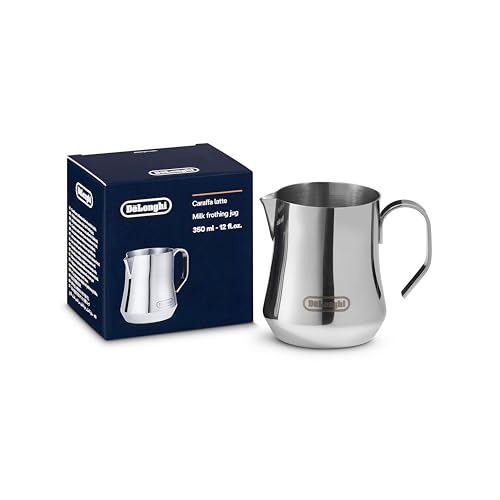
A basic thermometer helps you check that milk reaches a comfortable drinking temperature without scalding. Look for a View on Amazon if you need a spare jug so you can froth two batches back to back.
Keeping the whisk clean matters, so a View on Amazon can help remove milk residue that builds up over time. Pair it with a soft brush for hard-to-reach corners.
FAQ
Why does my frother make bubbles instead of creamy foam?
Bubbles usually mean the milk is too cold, the fill level is off, or the milk has low fat. Try whole milk at fridge temperature and fill between the marked lines.
Can I froth plant-based milk in a Nespresso frother?
Yes, many barista-style oat and soy milks froth well. Results vary by brand, so test a small batch first and follow any instructions printed on the carton.
How do I know when the frothing cycle is finished?
Most frothers signal the end of the cycle with a beep or an indicator light. Check your model’s manual for the exact signal, since behavior differs between versions.
Conclusion
A Nespresso milk frother combines a spinning whisk and gentle heat to trap air in milk and form foam. Choosing the right setting, using cold milk with proper fat content, and keeping the jug clean will give you consistent results. For more detailed steps, read Nespresso Milk Frother: How to Get Silky Foam at Home.
Related reading
- Nespresso Aeroccino Xl Milk Frother: How to Get Foam Right (Step by Step)
- Milk Frother from IKEA: Which Models Work and How to Use One
Ready to choose one?
About Claire Whitaker
Claire Whitaker is part of our editorial team and reviews and edits our coffee gear & accessories guides, checking product details against manufacturer specifications and owner feedback.