 By Claire Whitaker
Updated November 2026
A bodum gooseneck kettle review should answer one practical question: will this kettle give you a steady, controlled pour for pour-over coffee without getting in your way? This guide walks through what to look at on a Bodum gooseneck kettle, how to test its pour before committing, and which trade-offs matter most for home brewing. By the end, you should know whether the design fits your brewing habits.
What a Bodum Gooseneck Kettle Is Built For
Bodum makes gooseneck kettles aimed at everyday home brewers rather than specialist competition setups. The core appeal is the narrow spout, which lets you direct water in a thin, slow stream over a bed of grounds. For a deeper look at how spout design affects control, see Bodum Gooseneck Kettle Inside: What to Check Before You Buy, which covers the parts that matter most.
Shopping for one? See our guide: Mr Coffee Automatic Burr Grinder Review: Features and Performance.
Before buying, decide which heating method suits your counter. Stovetop models work anywhere with a burner, while electric models hold a set temperature. Stovetop vs Electric Gooseneck Kettles compares the two in detail, so you can match the format to how you brew.
Check the Pour Before You Buy
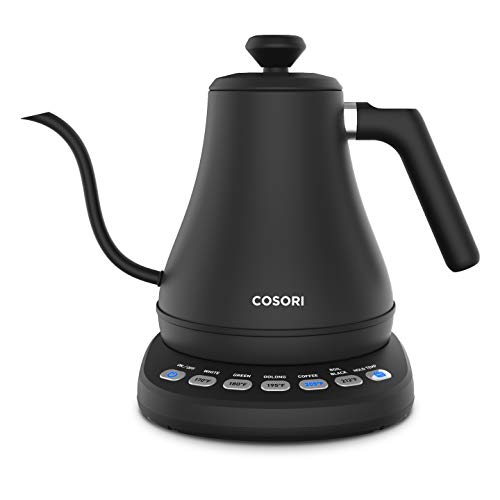
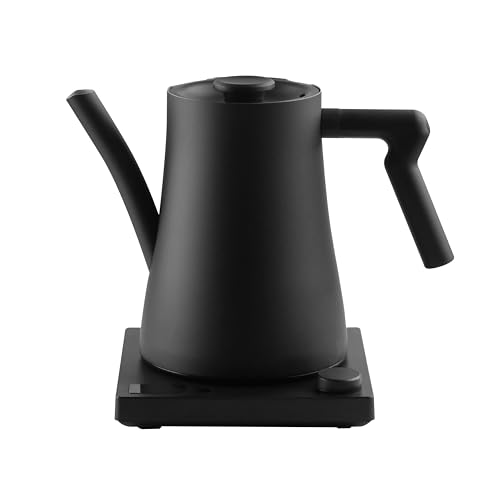
Spout control matters more than capacity for pour-over. Look for these points when you evaluate any Bodum gooseneck kettle:
- Confirm the spout tapers to a narrow opening. A thin stream is what lets you pulse water evenly.
- Check the handle position relative to the spout. A handle that sits comfortably above the spout helps keep your wrist level during a slow pour.
- Note the capacity. Owners often report that about 800 to 1,000 milliliters is enough for two to four cups of pour-over.
- Confirm the lid opens wide enough to fill and clean the interior.
- Look at the base. Electric bases usually include a power switch and sometimes a hold function, so confirm which format you are buying.
For a wider set of selection criteria, read Pour Over Kettle Gooseneck: How to Choose and Use One (Step-by-Step).
Dial In Your Technique
A good kettle still needs a steady hand. Start by setting water to roughly 200 to 205°F for most medium roasts, and slightly lower for light roasts if your coffee tastes sharp. Pour in slow, concentric circles, keeping the stream thin. Our guide on How to Pour with a Gooseneck Kettle for Better Pour-Over walks through pour patterns step by step.
If you brew through a Chemex or similar vessel, the spout geometry changes how you pour. Gooseneck Kettle for Chemex: How to Choose and Pour Like a Pro covers those differences.
Cleaning and Care
Mineral buildup from hard water can affect both taste and the spout. Descale the kettle regularly by running a mild vinegar or citric acid solution through it, then rinsing thoroughly. Always follow the manufacturer’s care instructions, since materials and coatings vary by model. If you want to compare other kettle materials, Plastic Free Gooseneck Kettle: How to Choose One That Keeps Water Clean explains what to look for.
Common Mistakes
- Pouring too fast, which floods the grounds and produces uneven extraction.
- Skipping the bloom. Wet the grounds and wait about 30 seconds before the main pour.
- Filling the kettle beyond the marked line, which makes controlled pouring harder.
- Ignoring scale buildup, which can slow heating and change the water’s flavor.
Recommended Gear
A gooseneck kettle works best alongside a few supporting tools. A digital scale helps you measure coffee and water accurately, so your pour stays consistent from one brew to the next.
- A digital pour-over scale with a built-in timer, which makes bloom and pour timing easier to repeat. View on Amazon
- A dripper that matches your vessel, so the water flows through the bed at a predictable rate. View on Amazon
- A thermometer clip for the kettle, if your model lacks temperature readout. View on Amazon
FAQ
Is a Bodum gooseneck kettle good for pour-over coffee?
Yes, its narrow spout and manageable size suit most pour-over methods. Pour speed still depends on your technique, so practice with plain water first.
Does a Bodum gooseneck kettle need descaling?
Hard water will leave mineral deposits over time. Descale periodically and follow the manufacturer’s cleaning guidance.
Should I choose stovetop or electric?
Choose electric if you want a set temperature and hold function. Choose stovetop if you prefer a simpler, lower-cost-of-ownership setup and already have a burner.
Conclusion
A Bodum gooseneck kettle can give you the controlled pour that pour-over brewing requires, provided the spout, handle and capacity suit your setup. Check the pour, decide between stovetop and electric, and practice your technique with plain water. With those steps, you can judge whether this kettle earns a place on your counter.
Related reading
- Greater Goods Gooseneck Kettle: Buying Tips for Pour-Over (2026)
- Gooseneck Tea Kettle with Thermometer: How to Choose and Use One
- Gooseneck Kettles for Pour-Over: Stovetop vs Electric
Ready to choose one?
About Claire Whitaker
Claire Whitaker is part of our editorial team and reviews and edits our coffee gear & accessories guides, checking product details against manufacturer specifications and owner feedback.