By Claire Whitaker
Updated November 2026
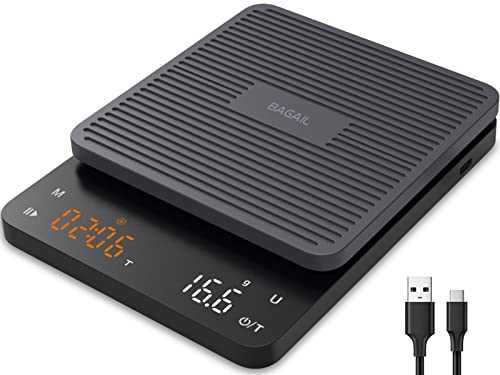
The cube coffee scale 2.0 mini manual walks you through turning the scale on, zeroing it with a container in place, weighing your dose and water, and running the built-in timer. To get the most out of it, read the manual’s notes on calibration, battery care and cleaning before your first brew, and keep the unit on a flat, stable surface.
Why the Manual Matters for a Mini Scale
A small scale is easy to underestimate. Because the platform is compact, it can register small weight changes from a bumped counter or a hand resting on the edge. Most owners find the printed instructions help them avoid the common mistakes: placing the scale on a soft or uneven surface, forgetting to tare, or loading a heavy vessel without zeroing it first. Manufacturers generally specify a flat, hard surface and warn against stacking objects on the platform, so those details are worth reading closely.
Shopping for one? See our guide: OXO Conical Burr Coffee Grinder with Integrated Scale: 7 Best Picks (2026).
Key Steps: Taring, Dosing and Timing
Accuracy depends on how you tare. Place your brewing vessel on the platform first, press the tare button to zero the display, and only then add coffee or water. If you remove the vessel mid-brew, tare again when you put it back. Check the manual for the exact button sequence, since some functions, such as switching between grams and ounces or starting the timer, use different presses.
Tips for Consistent Readings
- Let the scale sit on a level counter for a few seconds before you zero it.
- Keep the platform dry. Water or grounds left on it can shift readings.
- Replace batteries when the display dims or flickers, as weak batteries can cause drift.
- Clean the surface with a soft, slightly damp cloth, and avoid submerging the unit unless the manual says it is water-resistant.
- Check the zero point every few brews, especially after moving the scale.
If you are new to weighing your coffee, the guide to Kitchen Scale for Coffee: A Step-by-Step Guide to Consistent Brews (2026) covers ratios and workflow in more depth. For timing, the Coffee Scale with Timer: How to Brew Consistent Coffee Every Time article explains how to pair a scale with a brew clock.
What We’d Use
Pairing the scale with a compact grinder keeps the whole setup small. A Hario Skerton Pro fits a similar countertop footprint and pairs well with gram-based dosing. You can see the range at View on Amazon.
For a pour-over vessel that works with a small scale, a Hario V60 ceramic dripper is a common, easy-to-find choice. Browse options at View on Amazon.
FAQ
Why does my reading keep changing after I tare?
The scale may be on an uneven surface, the batteries may be low, or something is touching the platform. Move it to a level spot, confirm the platform is clear, and replace batteries if needed.
Can I weigh a heavy kettle or carafe on a mini scale?
Check the stated maximum capacity in the manual. Exceeding it can damage the load cell and throw off accuracy, so weigh only what the scale is rated to hold.
How do I clean the scale without damaging it?
Wipe the platform with a soft, slightly damp cloth and dry it right away. Avoid abrasive pads, harsh solvents and soaking, and follow any specific cleaning notes in the manual.
Related reading
- How to Evaluate Coffee Scales, Frothers and Espresso Tools
- Hard Water and Your Coffee Maker: Scale, Taste and Fixes
- Espresso Scale vs Kitchen Scale for Coffee
- Coffee Scoops and Measuring Coffee Without a Scale
Ready to choose one?
About Claire Whitaker
Claire Whitaker is part of our editorial team and reviews and edits our coffee gear & accessories guides, checking product details against manufacturer specifications and owner feedback.