By Claire Whitaker
Updated November 2026
A coffee machine grinder combo pairs a grinder and a brewer in one unit, so beans go from hopper to cup without a separate countertop grinder. This guide walks through what to check before you buy, how to set the grinder so it matches the brewer, and the mistakes that most often make combo results disappointing. The goal is simple: fresh, evenly ground coffee with less counter clutter and fewer steps each morning.
Step 1: Decide What the Combo Needs to Do
Start with your drink. A combo built for drip coffee needs a coarser, more uniform grind range than one built for espresso, which needs fine, tightly controlled particles. Many combos are tuned for one style and only approximate the other. If you want both, confirm the grind range in the manufacturer’s specifications rather than relying on marketing language.
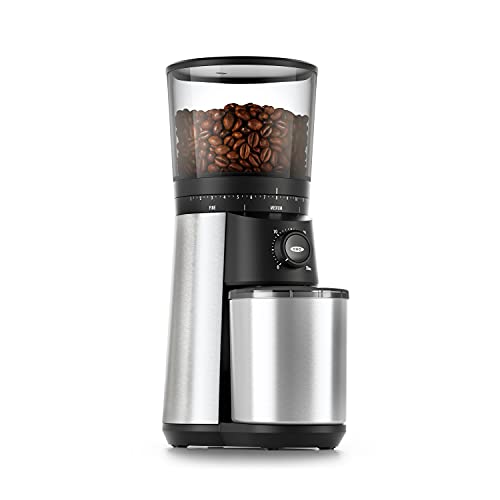
Shopping for one? See our guide: Oxo Brew Conical Burr Coffee Grinder: 7 Best Picks Compared (2026).
Step 2: Check Grind Quality and Adjustment
Look for a burr grinder rather than a blade grinder. Burrs produce more consistent particle size, which matters more than almost any other factor for flavor. Also check how finely you can adjust the setting and whether the adjustment is stepped or stepless. Stepped settings are easy to repeat; stepless settings give finer control but take more patience to dial in.
Step 3: Evaluate Dosing and Hopper Design
A combo should make it easy to grind the amount you need. Check whether the bean hopper is removable, how much it holds, and whether the grinder has a programmable dose or a manual timer. A dose you can repeat is far more useful than a large hopper you rarely fill. If you brew single cups, a smaller hopper also means less staling bean stock sitting around.
Step 4: Plan the Setup and Dial It In
Once you have the unit, follow these steps:
- Fill the hopper with whole beans and run a small test batch to clear any residual grounds.
- Choose a starting grind setting based on the brew method the combo is designed for.
- Brew a cup, then taste it. If it tastes sour or thin, grind finer. If it tastes bitter or harsh, grind coarser.
- Change one variable at a time and log the setting so you can return to it.
- Record the dose in grams if the machine allows, so results stay repeatable from day to day.
| Symptom in the Cup | Likely Adjustment |
|---|---|
| Sour, sharp, under-extracted | Grind finer |
| Bitter, dry, over-extracted | Grind coarser |
| Flat taste with little sweetness | Check bean freshness and dose |
Step 5: Plan for Cleaning and Replacement Parts
Grinder burrs and brewing components both collect oils and fines over time. Manufacturers typically specify a cleaning schedule and a method for brushing out the grind chamber. Follow it. Also note whether burrs are replaceable and how long they are rated to last, since worn burrs gradually produce less uniform grounds.
Common Mistakes
- Buying for the brewer alone and ignoring the grind range you actually need.
- Leaving old beans in the hopper, which can stale and clog the grinder.
- Adjusting several settings at once, making it impossible to know what helped.
- Skipping cleaning, which can change flavor and slow the grinder.
- Assuming a larger hopper means better results; dose consistency matters more.
Recommended Gear
A digital scale helps you weigh doses and brew water, which makes dialing in far more repeatable. View on Amazon
A small cleaning brush suits the grind chamber and burr area, where residue builds up quietly. View on Amazon
An airtight canister keeps beans fresher between refills, so the grinder is working with better input. View on Amazon
FAQ
Is a coffee machine grinder combo as good as a separate grinder?
It can be, if the grinder is a burr model with a useful adjustment range. A standalone grinder often offers more precision and easier burr replacement, so compare specifications rather than assuming either option wins.
How often should I clean a combo?
Follow the manufacturer’s cleaning schedule, which usually covers brushing the grind chamber and clearing the brewer. Oils build up faster with dark roasts, so clean more often if you brew them.
Why does my combo taste different from one day to the next?
Changes in bean freshness, dose weight and grind setting are the most common causes. Log your settings and weigh your dose to narrow it down.
Conclusion
A good coffee machine grinder combo starts with the right grind range, a dependable burr, and a dose you can repeat. Set it up methodically, change one variable at a time, and keep the grinder clean. Confirm current product specifications and warranty terms with the manufacturer before purchase.
Related reading
- Electric Coffee Grinder Machine Guide: Choose, Use and Dial In
- Coffee Grinder Maker Combo: How to Choose and Use One Well
- Coffee Grinder Machine Guide: Choose, Set Up and Dial In
- Coffee Grinder Brewer Combo: How to Choose One That Fits Your Routine
Ready to choose one?
About Claire Whitaker
Claire Whitaker is part of our editorial team and reviews and edits our coffee gear & accessories guides, checking product details against manufacturer specifications and owner feedback.