 By Audrey Hayes
Updated November 2026
If you have searched for the best burr grinder reddit has to offer, you have probably found dozens of threads, each with a different favorite. This guide shows you how to read those recommendations critically, identify the factors that matter for your brewing method, and narrow the field to a grinder that fits your coffee habits. By the end, you will know what to ask, what to look for in a spec sheet, and how to tell useful advice from enthusiasm.
Why Reddit Recommendations Vary So Much
Online communities are useful because they capture real-world use over months or years, not just a unboxing-day impression. They are also inconsistent. One commenter wants a hand grinder for travel, another wants a commercial-style electric unit for a household of four, and a third is chasing espresso. A top-voted recommendation for one of those people may be a poor fit for the others.
Shopping for one? See our guide: 6 Best Fellow Opus Conical Burr Grinder Picks of 2026. Best Burr Coffee Grinders for Home: 6 Electric Grinders Compared goes further into this.
Owners often report that the grinder they love is the one that matches their brewing method and counter space. Before you weigh any thread, define your own use case. Write down what you brew most (espresso, pour-over, drip, French press, cold brew), how many cups you make per day, and how much you want to spend on setup and upkeep. Those three answers will filter out most of the noise.
Step 1: Decide Between Flat and Conical Burrs
Nearly every serious burr grinder uses one of two burr geometries. Flat burrs are two parallel rings with grooves that shear beans as they pass between them. Conical burrs are a cone-shaped inner burr rotating inside a ring-shaped outer burr. Manufacturers and reviewers describe both as capable of producing consistent grounds, so the choice usually comes down to flavor preference, footprint, and how the grinder handles oily or dark-roasted beans.
- Flat burrs are often favored for espresso and for light-to-medium roasts where clarity and sweetness matter. Many owners report they produce a more uniform particle size at fine settings.
- Conical burrs are common in home grinders because they tend to run cooler and feed beans smoothly. Owners often report they handle oily beans with less clumping and are easier to clean.
Neither type is objectively better. Read threads with the same brewing method as yours and note which burr style those owners prefer.
Step 2: Evaluate Grind Consistency and Adjustment
Consistency matters more than any feature list. Uneven grounds produce a cup that tastes sour and bitter at the same time, because fines over-extract while boulders under-extract. When reading recommendations, look for mentions of fines, retention, and how the grinder performs at the setting you actually use.
Check the Adjustment System
Stepped adjustments are easy to repeat. Stepless adjustments offer finer control but make it harder to return to a known setting. Many espresso users want very fine, repeatable increments, while pour-over brewers often do fine with coarser steps. Decide which trade-off suits your routine.
Look for Retention and Fines
Grinders hold some ground coffee inside the burr chamber. This retention affects the first cup after a setting change. Owners frequently discuss purging the grinder or grinding and discarding a small amount when switching between brew methods. Shorter retention means less waste and quicker changes.
Step 3: Match Grind Size to Your Brew Method
Your grinder should reach the range your brewer needs. Use this rough guide as a starting point and adjust based on taste:
| Brew Method | Typical Grind Size | Grinder Priority |
|---|---|---|
| Espresso | Fine, like powdered sugar | Fine stepless or very fine steps, low retention |
| Moka pot | Fine to medium-fine | Consistent fine range |
| Pour-over (V60, Kalita) | Medium-fine, like sand | Smooth mid-range steps |
| Drip coffee maker | Medium, like table salt | Repeatable medium settings |
| French press | Coarse, like sea salt | Reliable coarse range, fewer fines |
| Cold brew | Coarse | Large, consistent particles |
If a grinder is praised for espresso but you brew mostly French press, you may be paying for capability you will not use. Conversely, a grinder that excels at coarse settings may struggle to produce a usable espresso grind.
Step 4: Consider Build, Noise, and Heat
Motor strength, burr size, and heat output all shape how a grinder performs over time. Owners often report that large burrs turn slower and generate less heat, which can preserve aromatics. Noise is another common complaint in threads, especially for early-morning brewers or shared kitchens. Look for specifications on burr diameter and motor rating, and read reports about how the machine sounds during a full dose.
Also check the hopper and grounds container. A large hopper saves refills but can hold beans longer than you want. A grounds container that fits your brewing vessel saves steps.
Step 5: Think About Maintenance and Longevity
Burrs wear, and some grinders make burr replacement easy while others do not. Retailers and manufacturers typically publish recommended cleaning intervals, and many owners describe brushing out grounds regularly. A dedicated brush is inexpensive and effective for clearing the chute and burr area. Confirm that replacement parts are available before you commit, because a grinder with no service path can become a costly loss within a few years.
Step 6: Read Threads Critically
When you read reddit threads, apply a simple filter:
- Check whether the commenter describes their brew method and how long they have owned the grinder.
- Prefer comments that mention specific problems and solutions over general praise.
- Notice recurring complaints across different threads. Repeated reports of a motor failing or a burr alignment issue deserve attention.
- Be skeptical of brand-new accounts or posts that push a single product without context.
- Compare recommendations from threads on the same brew method, not just the most upvoted post on the page.
Common Mistakes
- Buying for espresso when you brew drip. Espresso-capable grinders are often overkill for other methods, and their fine adjustments can be harder to use.
- Ignoring retention. High retention makes each setting change wasteful and makes it harder to dial in a brew.
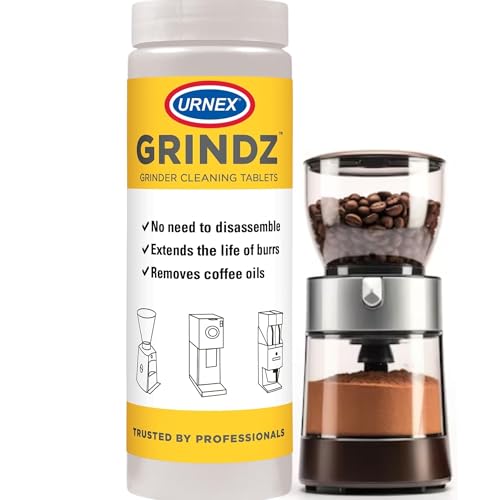
- Skipping cleaning. Old oils and fines can turn rancid and affect flavor.
- Assuming a higher price means better grounds. Consistency depends on burr design, alignment, and adjustment, not only on how much the grinder costs.
- Changing too many variables at once. Adjust one setting at a time and taste each change so you can learn what the grinder is doing.
Recommended gear
A few accessories make a burr grinder easier to live with. A small cleaning brush keeps the chute clear, which helps consistency and reduces stale-oil buildup. A kitchen scale lets you weigh doses so every brew starts from the same input. A dedicated airtight container keeps beans fresh between grinds.
- A soft-bristle grinder brush for clearing grounds from the burr area and chute. View on Amazon
- A digital kitchen scale with a 0.1-gram readout for dosing beans and grounds. View on Amazon
- An airtight coffee storage canister with a one-way valve to slow staling. View on Amazon
Related Reading
If you are narrowing down specific models, start with Best Burr Coffee Grinders for Home Brewing for an overview of categories. Pour-over users may find Burr Grinder for Pour Over: 6 Best Picks Compared (2026) useful, while drip brewers can compare options in Burr Grinder Setting for Drip Coffee: 6 Best Picks Compared (2026). Espresso enthusiasts should look at Top 7 Semi Automatic Espresso Machines with Burr Grinder Picks for Home Baristas. For budget-conscious readers, 7 Best Value Burr Coffee Grinders: Best Picks for Home Brewing (2026) covers strong options without premium features.
FAQ
Is a flat burr or conical burr grinder better?
Neither is universally better. Flat burrs are often preferred for espresso and clarity-focused light roasts, while conical burrs are common in home grinders and are often praised for smooth feeding and easier cleaning. Choose based on your brew method and bean preferences.
How often should I clean a burr grinder?
Many owners brush out the chute and burr area every few uses and do a deeper clean every few weeks, depending on how oily your beans are. Always follow the manufacturer’s cleaning guidance for your specific model.
Do I need a stepless grinder for pour-over?
Not necessarily. Many pour-over brewers do well with stepped adjustments in the medium range. Stepless systems give finer control but are not required to make good coffee.
Why does my coffee taste inconsistent even with a good grinder?
Common causes include retention from the last grind, stale beans, a dirty burr chamber, or changing settings without purging. Check each of these before blaming the grinder.
Can I use a burr grinder for spices?
Some owners do, but doing so can dull burrs, leave oils and aromas behind, and affect coffee flavor. Many manufacturers advise against it, so check your model’s instructions first.
How do I know if my burrs need replacing?
Signs include inconsistent particle size, increased fines, unusual noise, or visible wear on the burr edges. Confirm whether your model supports burr replacement before you commit to a grinder.
Should I buy a hand grinder or an electric one?
Hand grinders are compact and quiet and suit travel or small kitchens, though they take more time and effort. Electric grinders are faster and more consistent for daily use, especially for multiple cups.
Are Reddit recommendations reliable?
They can be useful, especially when many owners describe the same strengths or problems over time. Verify claims against specifications, compare threads for your brew method, and watch for promotional posts.
Conclusion
The best burr grinder reddit users recommend is the one that matches your brewing method, counter space, and maintenance habits. Start by defining your use case, then weigh burr type, consistency, retention, and serviceability. Read recommendations critically and compare them against your own needs. A well-matched grinder will make every cup more predictable and more enjoyable.
Ready to choose one?
About Audrey Hayes
Audrey Hayes is part of our editorial team and reviews and edits our coffee gear & accessories guides, checking product details against manufacturer specifications and owner feedback.