By Claire Whitaker
Updated November 2026
The bodum coffee grinder bistro is an electric burr grinder built for home brewing, and getting consistent results from it comes down to three things: setting it up correctly, matching the grind size to your brewing method, and keeping the burrs clean. This guide walks through each step so you can go from the box to a reliable daily routine.
Set Up the Grinder Correctly
Before you grind anything, check that the hopper, bean container and grounds bin are seated firmly and that the lid is closed. Most grinders of this type will not start unless these parts are in place, so a grinder that seems dead is often just not assembled properly. Read the manufacturer’s manual for the exact power and safety steps, since specifics can vary by model.
Shopping for one? See our guide: 5 Best Bodum Bistro Burr Coffee Grinder Models Compared (2026).
Run a small amount of beans through the grinder before your first real batch. This clears any manufacturing dust and lets the burrs settle. Discard those grounds.
Choose a Grind Size for Your Brew Method
Grind size controls how quickly water extracts flavor from the coffee. Finer grounds extract faster, and coarser grounds extract more slowly. As a general starting point, many home brewers use these ranges, which you can adjust to taste:
| Brew method | Grind size | Feel |
|---|---|---|
| French press | Coarse | Like coarse sea salt |
| Drip or pour-over | Medium | Like granulated sugar |
| AeroPress | Medium-fine | Slightly finer than sugar |
| Espresso | Fine | Like powdered sugar |
Grind one test dose, brew it, and taste. If the cup tastes sour or thin, go finer. If it tastes bitter or harsh, go coarser. Make one small change at a time so you can tell what caused the difference.
Dial In Your Dose and Routine
Weigh Your Beans
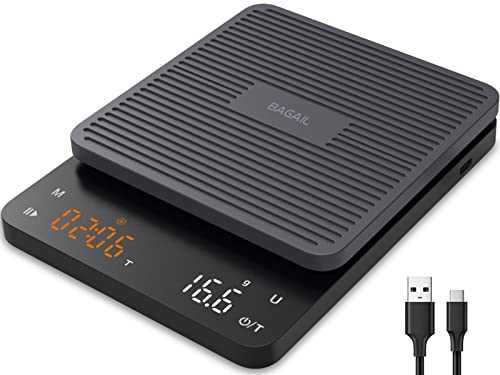
A kitchen scale makes your results repeatable. For most drip brewing, a common starting ratio is about 1 gram of coffee for every 15 to 17 grams of water. Weigh the beans before grinding, then note the setting and the time that worked for you.
Grind Only What You Need
Ground coffee loses aroma within minutes, so grind right before brewing. If you have to grind ahead, keep the grounds in a sealed container away from heat and light.
Clean the Grinder Regularly
Coffee oils and fine powder build up inside the grinding chamber and can make later grounds taste stale or bitter. Brush out the chute and burr area after each session, and wipe the exterior with a dry cloth. Follow the manufacturer’s instructions for any deeper cleaning, and unplug the unit first.
Common Mistakes to Avoid
- Grinding oily dark roasts without cleaning afterward, which leaves residue that affects the next batch.
- Changing several settings at once, which makes it impossible to tell what improved or worsened the cup.
- Storing beans in the hopper for days, since they lose freshness quickly.
- Judging grind size by eye alone; tasting the brew tells you more.
- Skipping the scale, which leads to inconsistent strength from one day to the next.
Recommended Gear
A digital kitchen scale helps you measure beans and water in the same ratio every time, which is the fastest way to repeatable cups. View on Amazon
A small cleaning brush sized for grinder burrs and chutes makes routine maintenance quick and keeps old oils from affecting new batches. View on Amazon
An airtight canister for whole beans or ground coffee protects freshness between brewing sessions. View on Amazon
FAQ
How often should I clean the grinder?
A quick brush-out after each use is a good habit, and a more thorough cleaning every few weeks suits most home brewers. Heavy use or oily beans may call for more frequent attention.
Can I use it for espresso?
Many people use burr grinders for espresso by setting a fine grind, but whether this grinder suits espresso depends on its finest setting and your machine. Check the manufacturer’s guidance for the range it supports.
Why does my coffee taste inconsistent from day to day?
The most common causes are changes in grind size, inconsistent dose weight, or residue left in the grinder. Weigh your beans, note your setting, and clean the burr area before each session to narrow it down.
Conclusion
With the grinder assembled, a test run completed, and a clear grind size for your brew method, you can produce even grounds and more consistent cups. Keep notes on your settings and weights, and adjust in small steps. For model-specific details, always check the official manual.
Related reading
- Bodum Bistro Electric Burr Coffee Grinder (2026): Which Should You Choose?
- 6 Best Bodum Bistro Electric Burr Grinder Models for Home Brewing (2026)
- 6 Best Bodum Bistro Burr Grinder Models Compared for Home Brewing (2026)
- William Sonoma Coffee Grinder: How to Choose and Use One Well (2026)
- Why Is a Burr Grinder Better? Even Grounds for Better Coffee
Ready to choose one?
About Claire Whitaker
Claire Whitaker is part of our editorial team and reviews and edits our coffee gear & accessories guides, checking product details against manufacturer specifications and owner feedback.