By Claire Whitaker
Updated November 2026
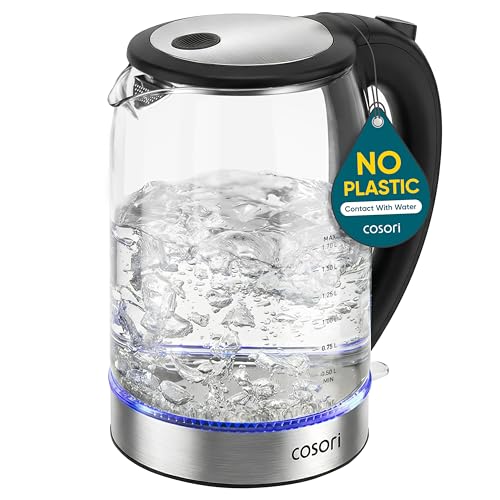
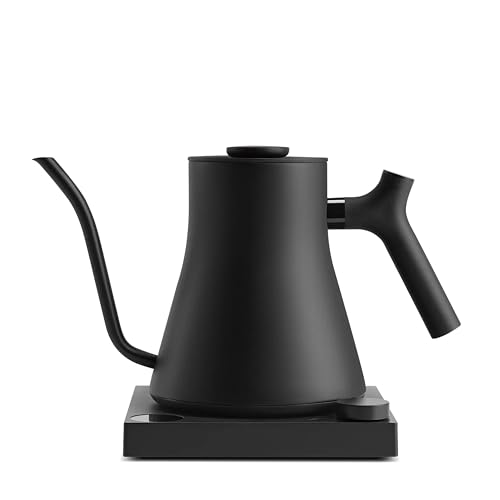
A cuisinart digital gooseneck kettle lets you heat water to a set temperature and hold it there, which gives you steadier control over pour-over brewing. This guide explains what the digital controls do, how to set them for common brew methods, and what to look at before you buy. By the end, you should be able to dial in a repeatable pour-over routine at home.
What a Digital Gooseneck Kettle Actually Controls
The gooseneck spout gives you a slow, precise stream, which matters most when you are pouring over grounds in a dripper. The digital part adds temperature selection and a hold function, so the water stays at your chosen setting instead of simply boiling. Many models in this category are variable-temperature kettles, a category covered in more detail in Variable Temperature Kettles: Hold Functions, Accuracy and Brew Temperatures.
Shopping for one? See our guide: 6 Best Cuisinart Espresso & Coffee Conical Burr Grinder Picks for Home Brewing.
Check the manufacturer’s manual for the exact temperature steps and hold durations on your model, since these vary between versions.
How to Set Temperature for Pour-Over
Water that is too hot tends to pull bitter flavors, while water that is too cool can leave a brew tasting thin or sour. As a starting point, many home brewers work somewhere in the range that suits lighter roasts a little hotter and darker roasts a little cooler. Adjust in small steps and taste each change.
- Rinse your filter with hot water and discard the rinse water.
- Select your target temperature on the kettle and let it heat.
- Use the hold function, if your model has one, so the water stays at temperature while you weigh and grind.
- Pour slowly in circles, keeping the stream thin and steady.
Step-by-Step Setup and First Use
Before brewing, run one full heat cycle with plain water to confirm the controls respond the way you expect. Fill only to the marked level, because overfilling can cause spills during the pour and makes the stream harder to control.
| Brew method | Suggested starting approach |
|---|---|
| Light roast pour-over | Start at the upper end of the kettle’s range and taste |
| Medium roast pour-over | Start in the middle of the range |
| Dark roast pour-over | Start at the lower-middle of the range to reduce bitterness |
For a complete setup that includes a scale and grinder, see Complete Pour-Over Setup: Dripper, Kettle, Grinder, Scale and Filters.
Cleaning and Maintenance
Mineral buildup affects both taste and heating performance over time. Descale according to the manufacturer’s instructions, and rinse thoroughly afterward. How to Clean and Descale an Electric Kettle walks through the general process.
Common Mistakes
- Leaving the kettle on hold for long periods, which can waste energy and change the water’s character.
- Pouring too fast, which over-extracts the grounds unevenly.
- Skipping the filter rinse, which can leave a papery taste.
- Assuming every brew needs the same temperature.
- Ignoring descaling, which can affect flavor and heating.
Recommended gear
A gooseneck kettle pairs best with a scale for weighing water and coffee, since consistent ratios make temperature changes easier to judge. A dripper that suits your pour style also helps. For a broader look at choices in this category, see Best Gooseneck Kettles for Pour-Over Coffee.
- A kitchen scale with a timer helps you repeat the same ratio each morning. View on Amazon
- A pour-over dripper matched to your filters keeps extraction consistent. View on Amazon
- Paper filters sized for your dripper prevent off-flavors from mismatched fits. View on Amazon
FAQ
Do I need a hold function to make good pour-over?
Not strictly, but a hold function makes it easier to keep water at the same temperature across multiple brews. Without it, you may need to reheat or wait for the water to settle.
What temperature should I start with?
Start near the middle of your kettle’s range and adjust in small steps based on taste. Lighter roasts often respond to slightly hotter water, and darker roasts often need slightly cooler water.
How often should I descale?
Follow the manufacturer’s guidance for your model, and descale sooner if you notice slower heating or mineral deposits. Hard water tends to build up faster.
Conclusion
A cuisinart digital gooseneck kettle gives you control over both the spout and the water temperature, which are two of the variables that shape pour-over flavor. Set your temperature by roast level, weigh your coffee and water, and adjust one thing at a time. Keep the kettle clean, and your results should become steadier with each brew.
Related reading
Ready to choose one?
About Claire Whitaker
Claire Whitaker is part of our editorial team and reviews and edits our coffee gear & accessories guides, checking product details against manufacturer specifications and owner feedback.