By Claire Whitaker
Updated November 2026
A digital coffee bean scale cup is a measuring vessel with a built-in scale that weighs your coffee beans or grounds in grams, so you can brew the same way every time. Weight is more consistent than volume because the same scoop can hold very different amounts of coffee depending on roast level, grind size and how tightly it is packed. If you want repeatable cups, weigh your dose.
Why Weight Beats Volume for Coffee
Coffee beans and grounds vary in density. A light roast is denser and heavier per tablespoon than a dark roast, which has expanded and lost mass during roasting. Fine grounds pack tighter than coarse ones, so two scoops of the same size can differ noticeably in dose. Measuring by weight removes that guesswork, which makes it much easier to tell whether a change in taste came from your grinder, your water or the coffee itself.
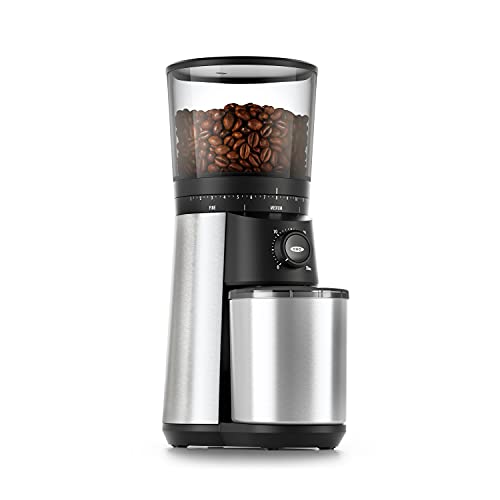
Shopping for one? See our guide: OXO Conical Burr Coffee Grinder with Integrated Scale: 7 Best Picks (2026).
What to Look for in a Scale Cup
Several features determine how useful a digital coffee bean scale cup will be day to day:
- Resolution: Look for 0.1 g increments. Coarser readouts make small dose adjustments hard to judge.
- Capacity: Make sure the platform handles the dose you brew most, typically 15 to 30 g for a pour-over and somewhat more for a full pot.
- Tare function: You need to zero the display after placing the cup or grinder bin, so you weigh only the coffee.
- Timer: A built-in timer helps you track bloom and total brew time, which matters for pour-over consistency.
- Battery or charging: Check how the scale is powered and whether the display stays readable when water splashes near it.
How to Use It for Consistent Brews
- Place the empty cup on the scale and press tare so the display reads 0.0 g.
- Add beans or grounds until you reach your target dose. Many brewers start at about 15 g of coffee for 250 g of water, a 1:16 ratio.
- Grind to your chosen setting, then tare again before adding water if your brewing method calls for it.
- Pour water slowly and watch the weight rise. Adjust grind size if the brew runs too fast or too slow, changing only one variable at a time.
- Write down dose, water weight, grind setting and total time so you can repeat the cups you like.
For more on ratios, see Coffee-to-Water Ratio: How Much Coffee per Cup. If you are deciding between a general kitchen scale and a dedicated espresso model, Espresso Scale vs Kitchen Scale for Coffee compares the two. Beans stored for weeks can lose aroma, so How to Store Coffee Beans to Keep Them Fresh is worth reading alongside your dosing routine.
What We’d Use
A simple scale with a timer and 0.1 g resolution covers most home pour-over and drip needs. Look for a model with a flat, wide platform so a cup or grinder bin sits stable.
- Digital coffee scale with timer and 0.1 g readout View on Amazon
- Stainless steel brewing scale with tare and auto-off View on Amazon
FAQ
Is a scale cup more accurate than a measuring scoop?
Generally yes. Weight does not change with grind size or packing, so repeat doses land closer to the target than scoops do.
Do I need to weigh my water too?
It helps. Water is easy to measure and affects extraction, so weighing it gives you a complete ratio to repeat.
Can I weigh coffee directly in a cup?
Yes, as long as the cup is stable on the platform and you tare it first. Check that the scale’s capacity covers your dose plus the cup’s weight.
Related reading
Ready to choose one?
About Claire Whitaker
Claire Whitaker is part of our editorial team and reviews and edits our coffee gear & accessories guides, checking product details against manufacturer specifications and owner feedback.