By Claire Whitaker
Updated November 2026
Coffee filter hacks are simple adjustments that improve flavor, prevent paper taste, and keep your brewer running smoothly. With a few changes to how you fold, rinse, and seat your filter, you can get a cleaner cup and fewer grounds in your carafe. The methods below work with standard paper filters in most drip machines and pour-over cones.
Rinse Paper Filters Before Every Brew
Unbleached paper often carries a faint papery taste, and even bleached filters can leave residue. Rinsing removes much of that flavor and also warms the brewer, which helps keep brewing temperature stable. Pour hot water through the empty filter, let it drain, and discard the rinse water before adding grounds.
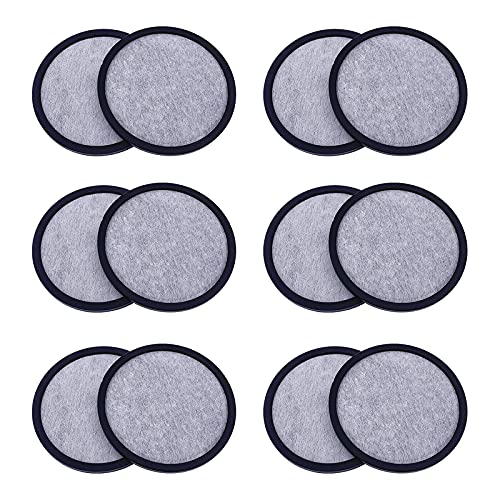
Shopping for one? See our guide: 6 Best Water Filters for Coffee Machines (2026).
- Place the filter in the basket or cone.
- Pour a generous amount of hot water over the sides and center.
- Let it drain fully, then empty the carafe or server.
- Add your grounds and brew as usual.
Fold and Seat the Filter Correctly
A poorly seated filter can collapse, let grounds bypass the paper, or slow the flow. For cone filters, fold the seam so it lies flat against the cone wall, then open the bottom into a cone shape before inserting. For flat-bottom basket filters, press the bottom edges outward so the paper sits evenly and does not crumple when water hits it.
Match the Filter Size to Your Brewer
Using the wrong size is one of the most common reasons for overflow and weak extraction. Check the size printed on the box and compare it with your machine’s manual. Oversized filters can flop over the basket edge, while undersized ones leave gaps where water escapes around the paper. If you are unsure which fits, Sizes of Coffee Filters: 5 Best Picks Compared for Every Brewer covers common sizes in detail.
Quick Fit Checks
| Check | What to look for |
|---|---|
| Filter rim | Sits flush with the basket with no bunching |
| Bottom seal | Flat, with no tears or gaps at the corners |
| Brew speed | Water drains steadily, not pooling or spilling |
Adjust Grounds and Water to the Filter
Paper filters trap more oils and fine particles than metal mesh, so brew strength can taste thinner or cleaner than you expect. If your cup tastes flat, try adding one or two extra grams of coffee per cup rather than increasing water. If it tastes bitter or muddy, grind slightly coarser. Keep the coffee dose and water volume consistent while you test so you can judge the change accurately.
Common Mistakes
- Skipping the rinse, which leaves a papery taste in the cup.
- Folding the seam the wrong way, which can cause the filter to collapse.
- Overfilling the basket, which causes grounds to spill past the rim.
- Reusing a paper filter, which produces weak, stale-tasting coffee.
- Storing filters in a humid spot, which makes them soft and harder to seat.
Recommended gear
A few supplies make filter handling more consistent. These are useful starting points.
- Unbleached cone filters: Helpful if you want to reduce paper taste and match a pour-over cone. View on Amazon
- Basket-style paper filters: Designed for standard drip machines and easier to seat in the right size. View on Amazon
- Airtight filter storage container: Keeps filters dry and flat until you need them. View on Amazon
FAQ
Do I really need to rinse paper filters?
Rinsing is recommended, especially with unbleached paper, because it reduces the papery flavor and preheats the brewer. It takes only a few seconds and makes a noticeable difference in clarity.
Why does my coffee overflow the filter?
Overflow usually means the filter is too small, folded poorly, or the grounds are too fine for the water volume. Check the size, reseat the filter, and try a slightly coarser grind.
Can I reuse a paper coffee filter?
Reusing paper filters is not recommended, since used grounds and oils degrade flavor and can slow drainage. Use a fresh filter for each brew.
Conclusion
Rinsing, correct folding, and the right filter size solve most common coffee filter problems. Small adjustments to grounds and storage can further improve your results. Start with one change, taste the difference, then add the next.
Related reading
- Wraparound Coffee Filters for Percolators (2026): Pros, Cons & Verdict
- White vs Natural Coffee Filters: Which Brews the Cleaner Cup?
- Water Filters for DeLonghi Coffee Machines: 5 Best Picks Compared (2026)
- Unbleached Coffee Filters vs Bleached: Which Should You Choose?
Ready to choose one?
About Claire Whitaker
Claire Whitaker is part of our editorial team and reviews and edits our coffee gear & accessories guides, checking product details against manufacturer specifications and owner feedback.