
 By Claire Whitaker
Updated November 2026
If you have ever wondered how many microns are coffee filters, you are asking the right question for anyone who wants a cleaner, clearer cup. Most paper coffee filters fall somewhere in a broad range that manufacturers rarely print on the box, so this guide explains what micron ratings mean, why they matter for flavor and brew speed, and how to choose among five popular options. We compared products on filter type, material, fit and the specifications each maker publishes, and we looked at patterns owners commonly report.
Our top picks at a glance
- 1
 TOP CHOICEBest overallChemex Bonded Filter – Circle – 100 ct – Exclusive PackagingView on Amazon
- 2
 TOP CHOICEBest for pour-over fansChemex Bonded Filter – Square – 100 ct – Exclusive PackagingView on Amazon
- 3
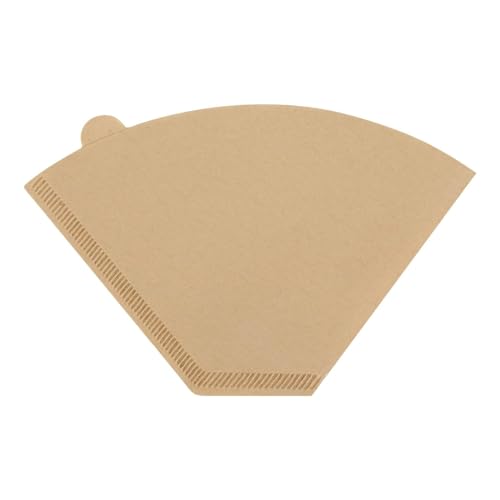 TOP CHOICEBest for small kitchens200 Count Coffee Filters #4 Cone Coffee Filter 8-12 Cup, Natural UnbleachedView on Amazon
- 4
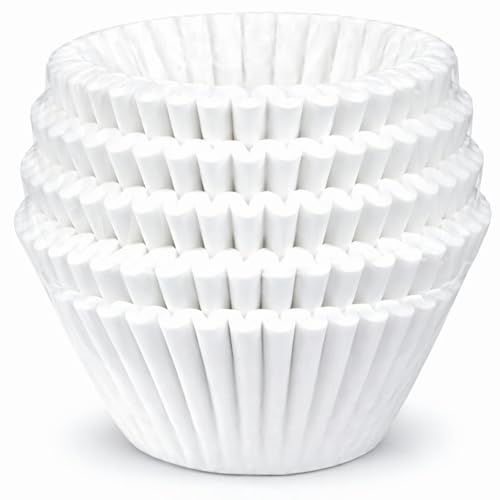 Best for commercial-size brewersKaty's Extra Large Coffee Filters (12.5in x 4.5in) Commercial Business UseView on Amazon
- 5
 Best budget pickMr. Coffee 4-Cup Coffee Filters, 100 CountView on Amazon
Our Top Picks
How Micron Ratings Work for Coffee Filters
A micron is one-thousandth of a millimeter. In filtration, the micron figure describes the approximate size of particles a filter will hold back. For reference, a human hair is commonly cited at roughly 50 to 70 microns in diameter, so most coffee grounds are far larger than the openings in a paper filter. The real question is not whether grounds get through, but how fine the sediment and oils are that the paper traps.
Here is the practical reality: coffee filter manufacturers generally do not publish a single micron rating for their products. Paper filters are described by their basis weight (grams per square meter), thickness, pore structure and material, and independent measurements vary by brand and model. Filters often land in a range that traps most fine particles while still allowing oils and some fines to pass, which is why paper-filtered coffee tends to taste cleaner and feels lighter in body than French press or unfiltered brews.
Because the exact number is hard to pin down, it helps to think in terms of filter characteristics rather than a single micron figure. Thicker, more tightly formed paper generally holds back more fine particles and slows flow. Thinner or looser paper speeds extraction and lets more sediment and oil through. Metal mesh filters, by contrast, sit at a much coarser effective level and pass most oils.
Chemex Bonded Filter – Circle – 100 ct – Exclusive Packaging
Chemex Bonded Filter – Circle – 100 ct – Exclusive Packaging | 20-30% Thicker Paper, Made in USA, Compostable, Fits All Chemex Except CM-1
Best for: Drip-style pour-over brewing with a Chemex carafe
This is a good fit for brewers who already own a Chemex or a similar glass pour-over vessel and want a filter sized to match. The circular shape is designed to sit in the top of the carafe’s wide funnel.
Key specs
- Circular bonded paper filter, 100 count
- Made in USA, compostable paper
- Marketed as 20–30% thicker paper than standard filters
- Fits all Chemex models except the CM-1
Pros
- Thicker paper is commonly reported to produce a very clean, sediment-free cup
- Bonded construction helps the filter hold its shape when wet
- Compostable material suits owners who prefer less waste
Cons
- Thick paper slows the drawdown, so grind and pour timing need adjusting
- Only fits Chemex-style vessels, which limits use with standard drip machines
Bottom line: The right choice for Chemex owners who want the cleanest possible cup and don’t mind a slower brew.
View on AmazonChemex Bonded Filter – Square – 100 ct – Exclusive Packaging
Chemex Bonded Filter – Square – 100 ct – Exclusive Packaging – AFS-100 | 20-30% Thicker, Made in USA, Compostable, Fits All Chemex Except CM-1
Best for: Pour-over brewing in a Chemex when you prefer the square fold
This version uses the same thick bonded paper as the round filter but is cut square, which some Chemex users prefer because it folds into the funnel with a three-fold seal that many find easier to position.
Key specs
- Square bonded paper filter, 100 count
- Made in USA, compostable paper
- Marketed as 20–30% thicker paper than standard filters
- Fits all Chemex models except the CM-1
Pros
- Square fold is widely described as easy to seat in the funnel
- Thick paper delivers a clean, sediment-light cup
- Compostable and made in the USA
Cons
- Slower drawdown than thinner papers
- Limited to Chemex-compatible brewers
Bottom line: Pick this over the round version if your Chemex technique works better with a square fold.
View on Amazon200 Count Coffee Filters #4 Cone Coffee Filter 8-12 Cup, Natural Unbleached
200 Count Coffee Filters #4, Cone Coffee Filter 8-12 Cup, Natural | Unbleached Natural,cone coffee filters
Best for: Home drip makers that use a standard #4 cone filter
This is a general-purpose cone filter sized for typical 8- to 12-cup drip brewers. It suits households that brew a full pot daily and want a natural, unbleached option.
Key specs
- #4 cone shape, 200 count
- Natural, unbleached paper
- Sized for 8–12 cup drip brewers
Pros
- Large count keeps the per-brew cost of supplies low
- Unbleached paper appeals to owners avoiding bleaching agents
- Standard #4 size fits many common drip machines
Cons
- Paper weight is typical rather than premium, so some fines may pass through
- Natural paper can carry a light papery taste until rinsed
Bottom line: A practical everyday pick for drip owners who want unbleached cone filters in bulk.
View on AmazonKaty’s Extra Large Coffee Filters (12.5in x 4.5in) Commercial Business Use
Katy's Extra Large Coffee Filters (12.5in x 4.5in) Commercial Business Use | 1.5 to 3 Gallon Brew XL Coffee/Tea Filters, For BUNN, Fetco & Curtis Commercial Machines, Proudly Woman-Owned & Gives Back
Best for: Large-batch brewers from 1.5 to 3 gallons, such as office or commercial urns
These oversized filters are built for high-volume urn-style brewers rather than home countertop machines. They suit offices, churches, and small cafés that brew large quantities at once.
Key specs
- Dimensions listed as 12.5 in x 4.5 in
- Designed for 1.5 to 3 gallon brews
- Listed as compatible with BUNN, Fetco and Curtis commercial machines
Pros
- Sized for commercial brewing volumes that standard filters cannot hold
- Stated compatibility with several major commercial brewer brands
- Reduces the risk of overflow and grounds in large urns
Cons
- Impractical for a household drip machine
- Bulk-style packaging suits regular users more than occasional brewers
Bottom line: Best for offices and small businesses that brew by the gallon and need filters sized to match.
View on AmazonMr. Coffee 4-Cup Coffee Filters, 100 Count
Mr. Coffee 4-Cup Coffee Filters, 100 Count (Package May Vary)
Best for: Small pots and occasional brewing on a budget
These are small basket-style filters for 4-cup drip makers. They suit single people, couples, or anyone who brews a small pot now and then and wants a low-commitment supply.
Key specs
- 4-cup size, 100 count
- Designed for Mr. Coffee-style 4-cup drip machines
Pros
- Affordable supply for small brewers
- Matches the footprint of compact drip machines
- Easy to store in a small pantry
Cons
- Standard paper weight may let more fines through than premium bonded filters
- Limited to small-capacity brewers
Bottom line: A sensible budget pick for small drip machines when clarity is secondary to convenience.
View on AmazonQuick Comparison
| Product | Best for | Key feature |
|---|---|---|
| Chemex Bonded Filter – Circle – 100 ct | Chemex pour-over with a round fold | Thicker bonded paper |
| Chemex Bonded Filter – Square – 100 ct | Chemex pour-over with a square fold | Thicker square bonded paper |
| 200 Count Coffee Filters #4 Cone | Standard 8–12 cup drip brewers | Natural unbleached paper, bulk count |
| Katy’s Extra Large Coffee Filters | 1.5–3 gallon commercial urns | Oversized 12.5 in x 4.5 in format |
| Mr. Coffee 4-Cup Coffee Filters, 100 ct | Small 4-cup drip makers | Compact basket-style size |
Buying Guide
Paper Thickness and Micron-Level Filtration
Thickness is the single biggest driver of how fine a filter catches. Thicker bonded paper generally traps more fine particles and oils, producing a cleaner cup. Thinner paper flows faster but lets more through. If you want a clean, tea-like cup, prioritize thicker stock.
Good picks for this: Chemex Bonded Filter – Circle, Chemex Bonded Filter – Square
Filter Shape and Brewer Compatibility
Cone filters (#2 and #4 sizes) fit most automatic drip machines, while basket filters suit flat-bottomed brewers. Pour-over vessels such as Chemex use their own shaped filters. Check your machine’s manual or the filter size printed on the existing box before buying.
Good picks for this: 200 Count Coffee Filters #4 Cone, Mr. Coffee 4-Cup Coffee Filters
Brew Capacity and Batch Size
Match the filter to the number of cups you brew. Undersized filters risk overflow, while oversized filters waste material. Commercial urns and large batch brewers need extra-large formats that standard home filters cannot handle.
Good picks for this: Katy’s Extra Large Coffee Filters, 200 Count Coffee Filters #4 Cone
Bleached vs. Unbleached Paper
Bleached filters are whiter and sometimes carry a slightly neutral taste, while unbleached natural paper has a tan color and can impart a light papery note if not rinsed. Rinsing either type with hot water before brewing is a simple step that reduces taste transfer. Owners who prioritize minimal processing often choose unbleached options.
Good picks for this: 200 Count Coffee Filters #4 Cone, Chemex Bonded Filter – Square
Use Case: Home Versus Commercial
Home drip brewing and pour-over have different needs than office or café brewing. Home users benefit from compact packs and a balance of cost and clarity. Commercial users need consistent sizing, bulk supply and compatibility with industrial urns.
Good picks for this: Mr. Coffee 4-Cup Coffee Filters, Katy’s Extra Large Coffee Filters
Durability and Wet Strength
Filters that tear or collapse during pouring can send grounds into your cup. Bonded paper is generally more resistant to tearing when saturated, which matters most with slow pour-over methods where filters stay wet for longer.
Good picks for this: Chemex Bonded Filter – Circle, Chemex Bonded Filter – Square
Care, Storage and Freshness
Paper filters absorb moisture and odors from the air, so store them in a sealed, dry container away from spices and coffee beans. Keeping a spare sleeve in a dry place preserves the paper’s neutral flavor and fit.
Good picks for this: Mr. Coffee 4-Cup Coffee Filters, 200 Count Coffee Filters #4 Cone
FAQ
How many microns are coffee filters, roughly?
Most paper coffee filters are commonly described as trapping particles in a broad micron range, often cited around the low tens of microns for standard paper, though manufacturers rarely publish an exact figure. Thicker bonded papers generally hold back finer particles than thin basket filters.
Is a smaller micron rating always better for coffee?
Not necessarily. Finer filtration produces a cleaner, lighter cup with less sediment and fewer oils. Some drinkers prefer the fuller body that coarser filtration or metal mesh allows. The best choice depends on the flavor you want.
Do metal mesh filters have a micron rating?
Metal mesh filters are much coarser than paper and let most oils and fine particles pass. They are typically described by mesh size rather than micron rating, and they produce a heavier-bodied cup.
Can I use a thicker filter in my regular drip machine?
Often yes, if the size matches, but thicker paper slows drawdown and can cause overflow in some machines. Test with a smaller batch first and adjust grind size if the brew runs slow.
Should I rinse paper coffee filters before brewing?
Rinsing with hot water is a common recommendation, especially for unbleached paper. It removes loose paper fibers and warms the brewer. Discard the rinse water before adding coffee grounds.
How do I know which filter size fits my machine?
Check your brewer’s manual or look for a size marking on the existing filter box or basket. Cone sizes such as #2 and #4 are standard labels, while pour-over vessels usually require the manufacturer’s specific shape.
Conclusion
Paper coffee filters sit in a fairly narrow filtration range, and the exact micron figure matters less than thickness, shape and fit for your brewer. For a clean, sediment-light cup from a Chemex, the bonded Chemex filters in round or square form are the strongest fit. For everyday drip brewing, the #4 cone filters offer bulk value, while the Mr. Coffee 4-cup filters suit small pots. Owners of large urns should choose the Katy’s extra-large format. Match the filter to your machine first, then consider thickness if clarity is your priority.
Sources
- Guidance on food-contact materials and paper products used in food preparation (fda.gov)
- Information on coffee and beverage preparation standards and food safety basics (usda.gov)
- Measurement standards and terminology for particle size and micron-scale units (nist.gov)
Related reading
- Storage Container for Coffee Filters: How to Keep Them Dry and Fresh
- Ninja Coffee Pot Filters: Which Type Fits and How to Use It
- Keurig Coffee Filters: How to Brew Better Cups Without Pods
About Claire Whitaker
Claire Whitaker is part of our editorial team and reviews and edits our coffee gear & accessories guides, checking product details against manufacturer specifications and owner feedback.





