By Claire Whitaker
Updated November 2026
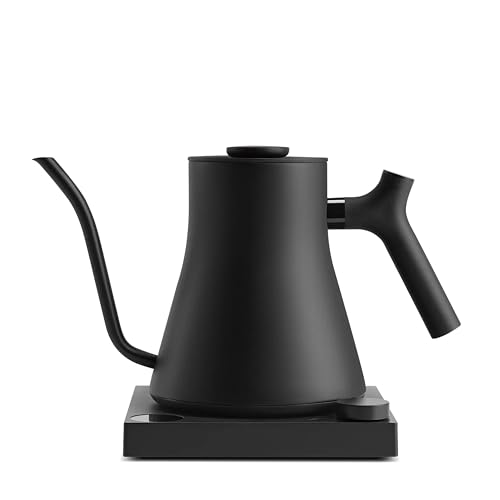
A gooseneck kettle is not strictly necessary for brewing coffee, but it becomes very useful once you pour water by hand over grounds. If you brew with a drip machine, a French press, or an immersion method, a standard kettle will do the job. If you brew pour-over and want steady, controlled water flow, the narrow spout is worth having. This guide explains when the spout makes a real difference and when you can skip it.
When a Gooseneck Kettle Makes a Difference
The main benefit of a gooseneck spout is control. A thin, curved stream lets you pour slowly and in a precise circle, wetting the grounds evenly without blasting them. That matters most for pour-over methods such as V60, Kalita Wave, and Chemex, where your technique directly shapes extraction. If you already brew this way, the spout is one of the more noticeable upgrades you can make. For a deeper look at the technique, see How to Pour with a Gooseneck Kettle for Better Pour-Over.
Shopping for one? See our guide: Bodum Bistro Gooseneck Kettle (2026): Which Should You Choose?.
When a Standard Kettle Is Enough
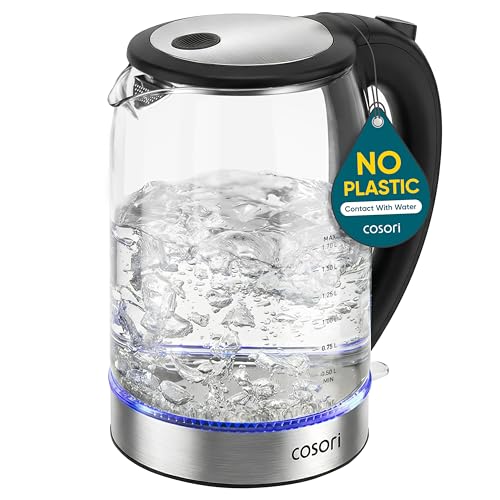
You do not need a gooseneck for brew methods that don’t rely on hand pouring. Auto-drip machines heat their own water. French press and cold brew require only a rough pour, and a regular kettle handles that without trouble. Many people also use a standard kettle for pour-over and get good results, as long as they pour slowly and keep the water at a steady temperature. The main trade-off is control, not quality of brew.
Factors to Weigh Before You Decide
- Your brew method. Pour-over benefits most. Immersion and drip methods benefit least.
- How precise you want to be. If you weigh your water and time your bloom, the spout helps you hit targets.
- Temperature control. A gooseneck with a thermometer or variable temperature setting may matter more than the spout shape. See Variable Temperature Kettles: Hold Functions, Accuracy and Brew Temperatures.
- Stovetop or electric. Both styles come in gooseneck form. The right choice depends on your counter space and how often you brew. Stovetop vs Electric Gooseneck Kettles compares them.
Practical Checklist for Choosing
- List the brew methods you use most often.
- If pour-over is one of them, decide how much pouring control you want.
- Decide whether you need temperature settings or a built-in thermometer.
- Pick stovetop or electric based on your routine.
- Check that the spout size and handle feel comfortable for your pours.
Common Mistakes
- Buying a gooseneck for French press or drip brewing, where the spout adds little.
- Choosing by spout shape alone and ignoring temperature accuracy.
- Pouring too fast from a gooseneck, which wastes the control it offers.
- Skipping regular cleaning, which affects taste and kettle performance. See How to Clean Gooseneck Kettle: Step-by-Step Guide for Home Brewers.
Recommended Gear
If you decide a gooseneck fits your routine, a kettle with a built-in thermometer helps you hold a consistent brewing temperature. Owners often report that a stable hold function reduces guesswork during pour-over. View on Amazon
A digital scale with a timer is the companion tool most pour-over brewers rely on, since it lets you match water weight to coffee weight. View on Amazon
FAQ
Are gooseneck kettles necessary for pour-over coffee?
They are not required, but they give you more control over water flow, which helps with consistent pour-over results. Many brewers use a standard kettle with careful pouring and still get good coffee.
Can I use a gooseneck kettle for French press?
Yes, though the spout offers little benefit for immersion brewing. You can use any kettle that heats water to the right temperature.
Is a gooseneck kettle worth it for a beginner?
It can be, if you already plan to learn pour-over. If you are only starting out with a drip machine or French press, a standard kettle is enough until your brewing habits change.
Conclusion
A gooseneck kettle is necessary only if you brew pour-over and want precise control over water flow. For other methods, a standard kettle works well. Match the kettle to your brew method first, then decide whether the spout and temperature features justify the upgrade.
Ready to choose one?
About Claire Whitaker
Claire Whitaker is part of our editorial team and reviews and edits our coffee gear & accessories guides, checking product details against manufacturer specifications and owner feedback.