By Claire Whitaker
Updated November 2026
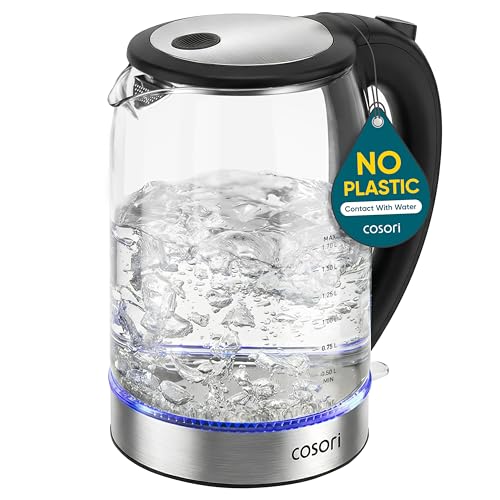
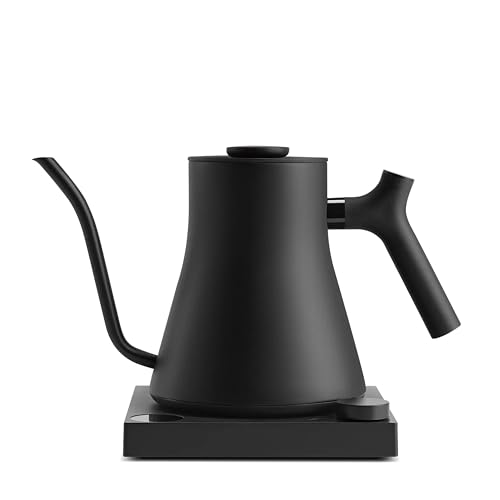
A plastic free gooseneck kettle is one with a water path made from stainless steel, glass or another non-plastic material, so the water you pour never touches plastic. To find one, check the body, lid, spout and handle materials, confirm the interior is metal or glass, and make sure the parts that do contain plastic sit away from the water. This guide walks through each check so you can buy with confidence.
Step 1: Check the Water Contact Surfaces
Start with what the water actually touches. In a gooseneck kettle, that means the inner vessel, the lid underside, the spout and the float or lid gasket if there is one. Kettles with a stainless steel interior or a borosilicate glass body are the most common plastic free choices. Manufacturers often list interior materials in the specifications, so read those before you look at photos.
Shopping for one? See our guide: Plastic Free Coffee Filters: 6 Best Picks Compared in 2026.
Step 2: Look Past the Obvious Parts
Many kettles are mostly metal but still use plastic in places you might not expect. Common spots include:
- Lid gaskets and seals, which are often silicone or rubber rather than plastic, but confirm the material.
- Internal spout linings or inserts on some budget models.
- Handles and knobs, which rarely touch water but may be plastic on the outside.
- Electric bases, where the power cord and housing are plastic. This usually does not affect the water, but it matters if your goal is zero plastic in the whole setup.
If a listing is vague, contact the seller or manufacturer and ask which materials contact the water.
Step 3: Decide Between Stovetop and Electric
Both styles can be plastic free. A stovetop gooseneck kettle is usually all metal, with a wood, bakelite or silicone handle that stays off the water path. An electric model has a metal or glass vessel on a plastic or metal base. Electric kettles hold a set temperature more easily, while stovetop versions cost less to run and have fewer parts that could hide plastic. For a detailed comparison, see Stovetop vs Electric Gooseneck Kettles.
Step 4: Confirm the Spout Suits Your Pour
A plastic free kettle only helps if it pours well. Look for a narrow, curved spout that gives you control over flow rate, since a steady, thin stream is what makes even extraction possible. The spout should also be long enough to reach your dripper without you holding the kettle awkwardly. For technique, see How to Pour with a Gooseneck Kettle for Better Pour-Over.
| Feature | What to look for |
|---|---|
| Interior material | Stainless steel or borosilicate glass |
| Lid and gaskets | Listed as silicone, metal or rubber, not plastic |
| Handle | Wood, metal or heat-resistant non-plastic material |
| Spout | Narrow, curved, long enough for your dripper |
Common Mistakes to Avoid
- Assuming “stainless steel” means the whole kettle is plastic free. Check the lid, gasket and base separately.
- Buying on looks alone and skipping the materials list.
- Ignoring spout control, which affects extraction more than most buyers expect.
- Forgetting that a plastic power base is still a plastic part, even if it stays dry.
Recommended Gear
A few supporting items help you keep the whole brew setup plastic free. Pair your kettle with a precise scale to measure water and coffee accurately.
- Stainless steel gooseneck kettle: a stovetop model with a metal body suits anyone who wants the simplest material list. View on Amazon
- Digital pour-over scale: helps you hit exact water ratios so the kettle’s pour is consistent from brew to brew. View on Amazon
- Plastic free coffee filters: keeps your brew free of plastic from start to finish. View on Amazon
FAQ
Is a stainless steel gooseneck kettle always plastic free?
Not always. The water-contact body may be stainless steel, but lids, gaskets or handles can still be plastic. Check the materials list for each part.
Do electric plastic free gooseneck kettles exist?
Yes. Many have glass or stainless steel vessels, though the base usually contains plastic. The base does not touch the water, so the brewed water stays plastic free.
How do I know if a kettle’s lid gasket is safe?
Check the listing or manual for the gasket material. Silicone and metal are the usual choices. If the information is missing, ask the manufacturer directly.
Conclusion
A plastic free gooseneck kettle comes down to checking the water-contact surfaces, looking past the obvious parts and confirming the spout suits your pour. Start with the materials list, then compare stovetop and electric options. With the right kettle, your water and your pour both stay under control.
Related reading
Ready to choose one?
About Claire Whitaker
Claire Whitaker is part of our editorial team and reviews and edits our coffee gear & accessories guides, checking product details against manufacturer specifications and owner feedback.