Pour-over coffee can go wrong in a few predictable ways: the brew drains too slowly, runs through too quickly, tastes sour or thin, or finishes bitter and drying. Most of these issues come from a small set of variables: grind size, water temperature, filter material, and pouring technique. With a few simple adjustments, you can identify the cause and fix the cup without throwing out a whole batch. Start by reviewing how your pour-over brewer works, then move through the troubleshooting steps below.
How it works
During a pour-over, hot water dissolves flavor compounds from the coffee grounds. The water then drains through the filter into your cup. The total contact time, often called drawdown time, determines how much flavor dissolves. If the water moves too quickly, you get a thin, sour, under-extracted cup. If it stalls, the coffee can become over-extracted, bitter, and drying.
The coffee bed matters just as much as the water. When the grounds are level and evenly wetted, the water has a consistent path through the bed. When the surface is uneven, or when the pour pushes coffee to one side, channels can form. Water then rushes through those channels, bypassing most of the grounds. That produces a mix of sour and bitter flavors in one cup.
Symptoms and likely causes
Diagnose your problem by looking at the signs above the cup and in the slurry. The table below matches common symptoms to their usual causes.
| Symptom | Likely causes | Quick fix |
|---|---|---|
| Drawdown too slow | Grind too fine, too many fines, filter clogging, pouring too much water at once | Grind a little coarser, pour gently in stages, rinse the filter first |
| Drawdown too fast | Grind too coarse, channeling, thin paper filter | Grind finer, pour in a controlled stream, try a thicker filter |
| Sour or thin | Under-extraction: water too cool, grind too coarse, brew time too short | Grind finer, use hotter water, extend the brew time |
| Bitter or drying | Over-extraction: grind too fine, water too hot, brew time too long | Grind coarser, shorten the brew, lower the water temperature slightly |
| Uneven bed | Pouring too vigorously, bed left high on the edges, channeling | Level the bed gently, pour in circles, keep the slurry wet |
Notice that one symptom can have several causes. That is why the best approach is to change one variable at a time, then brew again. If you adjust the grind and the pour together, you will not know which one actually helped.
Step-by-step fixes
Start with the grind
For a standard pour-over, the grind should look like coarse sand, not powder. If your drawdown is slow and the bed looks muddy, the grind is too fine. If the water rushes through and the coffee tastes sour or thin, the grind is too coarse. Adjust in small increments, one step on your grinder at a time. After each change, brew a small test cup to check the result.
Check the water temperature
Boiling water can burn you, so let the kettle rest briefly after boiling and place the dripper securely on a sturdy mug or server. A common rule of thumb is to use water just off the boil, around 200°F, though the ideal temperature depends on the coffee and your brewer. Hotter water extracts faster; cooler water extracts slower. If your coffee is sour or weak, use hotter water. If it tastes bitter and drying, try a slightly cooler temperature.
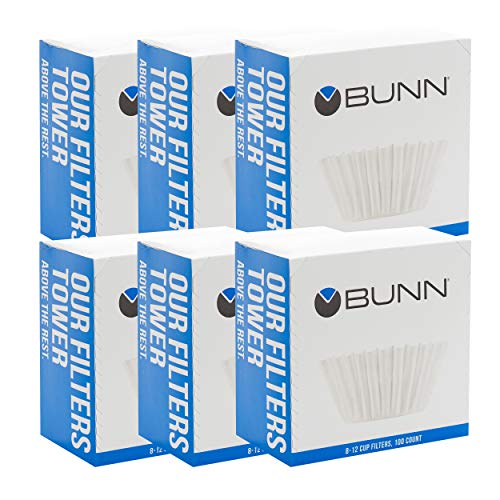
Rinse the paper filter
A paper filter can add a papery taste and can also slow the drawdown if it collapses against the dripper. Rinse the filter with hot water before adding coffee. This pre-wets the filter and helps it seat evenly against the brewer. Discard the rinse water before brewing. If you notice very fast drawdown and a thin filter seems to be the cause, try a thicker paper filter for the next batch.
Bloom the coffee
When you add the first water, do it gently to saturate the grounds without stirring them into a slurry. The coffee will release carbon dioxide and swell. Wait for a short pause, then continue pouring. A proper bloom helps the coffee extract evenly and prevents channels from forming. If the bloom forms a dry pocket or the bed bubbles unevenly, pour your next bloom more slowly and from a lower height.
Control your pour
Pour in a steady, controlled stream, starting from the center and moving outward in circles. Avoid dumping a large amount of water at once; that can push coffee to the outside and clog the filter. Keep the slurry level and avoid letting the bed dry out completely between pours. If you pour too fast, the water level can rise too high and cause the fines to settle into the filter, slowing the drawdown at the end of the brew.
Inspect the bed
After the brew finishes, look at the surface of the coffee bed. A flat, even bed indicates good extraction. If you see deep craters or a bed that is thicker on one side, channeling may have occurred. For the next brew, pour more gently and keep the slurry wet during the entire process. A flat bed is a good sign that the water traveled evenly through the grounds.
When to call a professional or the manufacturer
Pour-over brewers are simple tools, but the components you use with them are not. If your grinder produces very uneven grounds even after cleaning, or your electric kettle stops heating consistently, consult the manufacturer’s instructions or contact their support. Also inspect ceramic or glass drippers for cracks before every use. If anything feels loose or damaged, replace it rather than risk a spill or break. For any cleaning or descaling questions, follow the safety guidance provided with your specific equipment.
Prevention
To avoid these problems in future batches, keep a few habits. Use fresh, whole-bean coffee and grind just before brewing. Store beans in an airtight container away from direct light. Clean your grinder and dripper regularly so old oils and fine particles do not affect flavor or flow. Use a consistent pouring routine, and always rinse the paper filter first. If you want to expand your skills, the manual brewing basics cover more tips that apply across different methods. And if you also brew with a French press, you may notice similar muddy or bitter issues; those are explained in the French press troubleshooting guide.
FAQ
Why is my pour-over clogging?
A slow drawdown usually means the grind is too fine, the filter has been compacted by a hard pour, or the coffee bed contains a lot of fines. Try a slightly coarser grind, pour more gently, and rinse the filter before brewing. If the clogging continues, inspect the dripper’s opening to make sure it is not blocked.
How do I know if my grind is too fine?
If the drawdown is slow and the coffee tastes bitter or drying, the grind is likely too fine. The coffee bed will also look like wet sand or mud. Compare the grind texture to common foods: coarse sand for a medium pour-over grind, table salt for anything finer.
Should I stir the coffee during brewing?
Stirring can help even out the bed, but it can also push fines into the filter and cause slower drawdown. For most pour-over methods, gentle pouring and a proper bloom are enough. If you do stir, use a wooden or plastic stirrer and keep it brief.
What water temperature should I use for pour-over?
A widely used starting point is water just off the boil, around 200°F. Use hotter water for under-extracted, sour coffee and slightly cooler water for bitter coffee. Let the kettle rest after boiling and follow the brewer manufacturer’s recommendations if they are given.
Pour-over brewing is a balancing act, but troubleshooting does not have to be complicated. Change one variable, taste, and repeat until you find the cup you like. With a little patience, you can turn a sour or bitter brew into a clean, balanced pour-over.