By Claire Whitaker
Updated November 2026
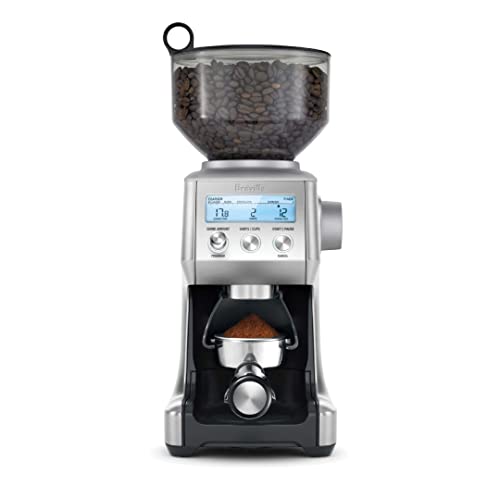
A professional coffee grinder machine turns whole beans into grounds with consistent particle size, which is the single biggest factor in how evenly your coffee extracts. This guide walks you through what to look for, how to set up and dial in your grinder, and the mistakes that most often cost home brewers flavor. By the end, you will know how to pick a model that fits your brewing method and how to get repeatable results from it.
Choose the Right Grinder Type for Your Brewing
Most professional-style machines use either flat or conical burrs. Flat burrs tend to produce a more uniform particle size, which suits pour-over and filter brewing where clarity matters. Conical burrs generally run cooler and are often favored for espresso and for everyday home use. If you are not sure which you need, read Burr Coffee Grinder Machine: 7 Factors That Matter for Home Brewing for a side-by-side breakdown of the factors that drive performance.
Shopping for one? See our guide: 6 Best Mokkom Professional 64mm Flat Burr Coffee Grinder Models of 2026.
Check Grind Range and Adjustment Steps
A grinder is only as useful as its range. Espresso needs a fine setting, while French press and cold brew need something much coarser. Look for a machine with stepped adjustments you can repeat, since stepless dials make it harder to return to a setting you liked. Owners often report that stepped settings make it easier to log a recipe and reproduce it the next day.
Before you buy, confirm the machine covers the range your brewing method needs. For a broader comparison of home models, see Electric Coffee Grinder Machine Guide: Choose, Use and Dial In.
Set Up and Dial In Your Grinder
Follow this sequence the first time you use a new machine:
- Level the grinder on a stable counter and confirm the hopper and catch container are seated correctly.
- Run about 20 grams of beans through to purge any manufacturing residue, then discard it.
- Set a starting grind size for your method. Espresso often begins near the fine end; pour-over begins mid-range.
- Brew a test cup, taste it, and adjust one step at a time. Finer for sour or thin coffee, coarser for bitter or heavy coffee.
- Write down the setting so you can return to it.
Weigh Your Dose
Grind by weight rather than by scoop. A kitchen scale accurate to 0.1 gram lets you keep the dose steady, which matters more than most people expect when chasing consistent flavor.
Maintain Consistent Grind Quality
Burrs wear over time, and dull burrs produce more fines and uneven particles. Clean the burr chamber regularly according to the manufacturer’s instructions, and avoid oily dark-roast beans if your machine is not designed to handle them. For guidance on knowing when parts need replacing, see When to Replace Coffee Grinder Burrs. If your grind suddenly becomes uneven, Why Is My Conical Burr Coffee Grinder Producing Uneven Grounds? Causes and Fixes covers the common causes.
Common Mistakes
- Changing several settings at once, which makes it impossible to tell what helped.
- Grinding by volume instead of weight, leading to inconsistent doses.
- Skipping the purge, so the first cup carries stale or residual grounds.
- Judging a setting from a single cup rather than tasting across a few brews.
- Letting grounds sit in the catch container, where they can stale and affect the next dose.
Recommended Gear
A reliable scale is the most useful companion to any grinder, because it keeps your dose consistent from one session to the next. View on Amazon
A small brush helps clear retained grounds from the burr area after each session, reducing stale flavor carryover. View on Amazon
A airtight container keeps whole beans fresh between grinds, which supports the consistency your grinder is working to deliver. View on Amazon
FAQ
Do I need a professional coffee grinder machine for home brewing?
Not always, but a machine with consistent burrs and repeatable settings will improve results noticeably if you brew several times a week. Occasional brewers may be satisfied with a simpler model.
Flat or conical burrs: which is better?
Neither is universally better. Flat burrs are often chosen for pour-over clarity, while conical burrs are common in espresso and everyday use. Match the burr type to your main brewing method.
How often should I clean my grinder?
Follow the manufacturer’s cleaning schedule, and brush out grounds after each session. Regular cleaning keeps flavor fresh and helps the burrs perform evenly.
Conclusion
A professional coffee grinder machine pays off when you choose a burr type and grind range that match your brewing, then dial it in one step at a time. Weigh your dose, keep the burrs clean, and record your settings so you can repeat what works. Check the manufacturer’s documentation for specific care and safety guidance.
Related reading
- Coffee Grinder Machine Guide: Choose, Set Up and Dial In
- William Sonoma Coffee Grinder: How to Choose and Use One Well (2026)
Ready to choose one?
About Claire Whitaker
Claire Whitaker is part of our editorial team and reviews and edits our coffee gear & accessories guides, checking product details against manufacturer specifications and owner feedback.