By Claire Whitaker
Updated November 2026
Recipes for milk frother drinks are simple once you know how much milk to use, how hot to heat it, and how much foam to aim for. This guide gives you four core recipes for a handheld or countertop frother, plus the adjustments that make each one taste right. Most drinks take under five minutes from start to finish.
Before You Start: Milk, Temperature and Foam Basics
Whole milk froths most easily because its fat and protein help the foam hold its shape. Lower-fat milks still work, but the foam is lighter and dries out faster. Heat milk to about 140 to 150°F (60 to 65°C). Above roughly 160°F, the milk starts to taste flat and scorched, and the foam breaks down quickly.
Shopping for one? See our guide: 7 Best Milk Frothers and Steamers for Home Use (2026).
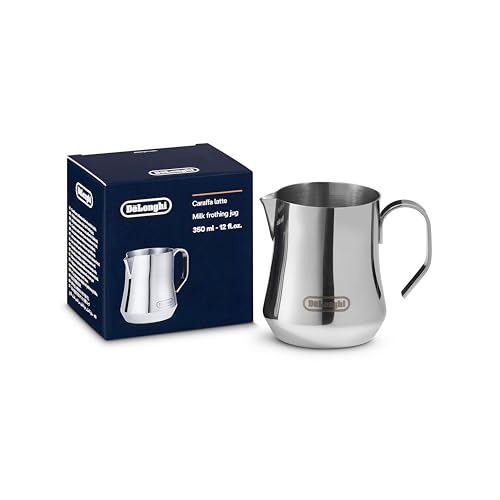
Use a cold, clean pitcher. Fill it to about one-third full before frothing, since the milk roughly doubles in volume as it foams.
Café Latte Recipe
- Pull 1 to 2 shots of espresso (about 2 oz) into a 12 oz mug.
- Froth 6 to 8 oz of cold milk until the volume doubles and the surface looks glossy.
- Heat the milk to 140 to 150°F, then tap the pitcher on the counter to pop large bubbles.
- Pour the milk over the espresso, holding back the foam with a spoon until the mug is nearly full, then spoon the foam on top.
Cappuccino and Mocha Variations
A cappuccino uses less milk and more foam. Start with the same espresso base, then froth 4 to 5 oz of milk until the foam is thick and stiff. Spoon the foam over the espresso first, then add the heated milk underneath. A cappuccino should have roughly equal parts espresso, steamed milk and foam.
For a mocha, stir 1 tablespoon of chocolate syrup or cocoa into the espresso before adding the milk. Use a little less syrup for dark chocolate and a little more for milk chocolate. Add 1 teaspoon of sugar if you like it sweeter.
Iced Foam Drink Recipe
Cold foam works well on iced coffee. Froth 1/2 cup of cold milk with a frother, but skip the heating. Use 2 percent or whole milk for the best texture. Pour 8 oz of cold brew or chilled espresso over ice, then spoon the foam on top. A pinch of vanilla or cinnamon in the milk adds flavor without changing the foam.
Recipe Adjustments That Make a Difference
| Drink | Milk amount | Target temperature | Foam level |
|---|---|---|---|
| Latte | 6 to 8 oz | 140 to 150°F | Thin, about 1/2 inch |
| Cappuccino | 4 to 5 oz | 140 to 150°F | Thick, about 1 inch |
| Mocha | 6 to 8 oz | 140 to 150°F | Thin to medium |
| Iced foam | 1/2 cup | Cold | Dense and stiff |
Common Mistakes
- Overfilling the pitcher, which leaves no room for the milk to expand.
- Using milk straight from the fridge for hot drinks without checking the final temperature.
- Letting the milk boil, which scorches the flavor and collapses the foam.
- Pouring the milk too fast, which mixes the foam into the espresso instead of layering it.
- Skipping the tap on the counter, which leaves large, uneven bubbles.
Recommended Gear
A handheld frother works well for single drinks and cold foam, and it needs little counter space. View on Amazon is a common choice for quick foam. A frother with a built-in heating function removes the guesswork on temperature, which helps if you make the same drink often. View on Amazon is one example of this type. A pitcher with a thermometer lets you hit the 140 to 150°F range without a separate kitchen thermometer, so consider View on Amazon if you want precise results.
For more detail on specific models and their steps, see Zulay Kitchen Handheld Milk Frother: How to Get Foam at Home and Milk Frother with Thermometer: How to Hit the Right Temperature. If your frother has stopped producing foam, Nespresso Frother Not Frothing Milk: 6 Causes and Fixes That Work covers the most common causes.
FAQ
Can I use non-dairy milk in these recipes?
Yes. Oat and soy milk froth well, though they often produce thinner foam than whole dairy milk. Barista-style versions of these milks are formulated to foam better and are a good choice if you want a stiffer result.
Why does my foam disappear quickly?
Foam collapses when the milk is too hot, too cold, or has been sitting too long. Froth right before you pour, and keep the milk between 140 and 150°F for the best hold.
How do I make a drink without espresso?
Brew strong coffee, such as a concentrated pour-over or moka pot brew, and use it in place of espresso. The milk steps stay the same, so you can still make a latte or cappuccino style drink.
Conclusion
Once you know the milk amounts and target temperatures, these recipes for milk frother drinks are easy to repeat. Start with a latte, then adjust the milk volume and foam thickness to suit your taste. Keep your frother clean after each use so the foam stays consistent from one drink to the next.
Related reading
- William Sonoma Milk Frother: How to Choose and Use One at Home
- Urnex Rinza Milk Frother Cleaner: How to Use It Step by Step
- Smeg Multi Milk Frother: Step-by-Step Guide to Better Foam
- Smeg Mini Milk Frother: How to Get Better Foam at Home
- Smeg Milk Frother Guide: Better Foam at Home, Step by Step
Ready to choose one?
About Claire Whitaker
Claire Whitaker is part of our editorial team and reviews and edits our coffee gear & accessories guides, checking product details against manufacturer specifications and owner feedback.