By Claire Whitaker
Updated November 2026
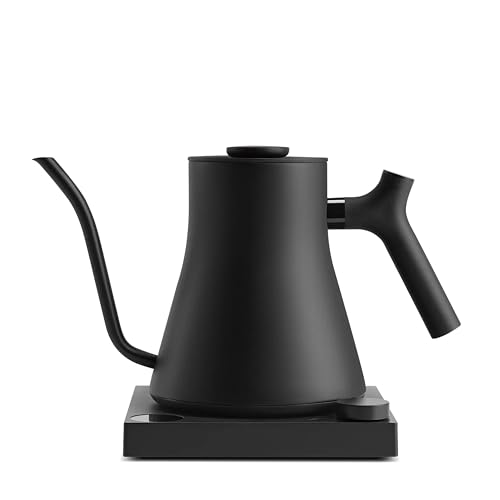
Learning how to clean gooseneck kettle models properly takes about 15 minutes and keeps mineral scale, residue and off-flavors out of your brew water. Most gooseneck kettles are stainless steel or enamel-coated, so the routine is simple: rinse after every use, descale on a regular schedule, and dry the spout so moisture doesn’t linger. The steps below cover both stovetop and electric models.
What You Need Before You Start
- Distilled white vinegar or a commercial descaler made for kettles
- Soft sponge or non-abrasive cloth
- Small brush or pipe cleaner for the spout
- Clean water for rinsing
- Soft dry towel
Step-by-Step: Cleaning the Kettle Body and Spout
- Empty and cool the kettle. Never clean a hot kettle or one that is still plugged in.
- Wipe the exterior. Use a damp sponge with a little mild dish soap. Wipe the handle, lid and base, then rinse.
- Clean the spout. Wrap a cloth around a brush or pipe cleaner and work through the spout. Gooseneck spouts are narrow, so this is where residue collects first.
- Rinse thoroughly. Fill the kettle with clean water, swirl, and pour out. Repeat once.
- Dry completely. Wipe the spout and the inside rim with a towel and leave the lid open for a few minutes.
How to Descale a Gooseneck Kettle
Descaling removes the white, chalky buildup that forms when hard water is heated repeatedly. Manufacturers generally recommend descaling whenever you see visible scale, and many owners do it every one to three months in hard-water areas.
Shopping for one? See our guide: 7 Best Clean Cuisinart Burr Grinder Picks for Home Brewing (2026).
- Fill the kettle with equal parts white vinegar and water, up to about half to two-thirds full.
- For a stovetop kettle, bring the mixture to a simmer, then turn off the heat. For an electric kettle, run one heating cycle, then switch off.
- Let the solution sit for 30 to 60 minutes. Heavier scale may need a longer soak.
- Pour out the solution and scrub the spout with the brush.
- Rinse two to three times with clean water. Boil a full kettle of fresh water and discard it to remove any lingering vinegar taste.
If your kettle has a finish that vinegar could damage, check the manufacturer’s care instructions first. Some electric models specify a particular descaler, and some enamel or coated finishes call for milder cleaners.
Cleaning Tips for Different Kettle Types
| Kettle type | Main cleaning focus | Watch for |
|---|---|---|
| Stainless steel stovetop | Scale inside, spout residue | Scratches from abrasive pads |
| Electric with temperature control | Base contacts, interior scale | Water on the base and power connection |
| Enamel or coated | Gentle wiping, mild descaling | Chips and harsh chemicals |
Electric models with temperature control often have a heating element that scales faster, so check the interior more often. For a closer look at descaling electric models, see How to Clean and Descale an Electric Kettle.
Common Mistakes to Avoid
- Using steel wool or abrasive pads, which scratch the interior and create places for residue to cling.
- Leaving the kettle wet with the lid closed, which can trap odors.
- Skipping the spout. Residue there affects pour rate and can flavor the water.
- Descaling with a strong acid without rinsing thoroughly afterward.
- Ignoring the manufacturer’s guidance for your specific finish or electric base.
Recommended gear
A narrow brush makes it much easier to clean the inside of a gooseneck spout, where residue hides. Look for one with a long handle and soft bristles.
A kettle descaling solution formulated for home appliances can be a convenient alternative to vinegar, especially for electric models. Read the label and follow the dilution directions.
Soft microfiber cloths clean stainless and coated surfaces without scratching, and they dry the spout quickly after rinsing.
FAQ
How often should I clean my gooseneck kettle?
Rinse and dry it after every use. Descale whenever you notice visible scale, which for many people means every one to three months, depending on how hard your water is.
Can I use baking soda instead of vinegar?
Baking soda is useful for scrubbing and deodorizing, but it doesn’t dissolve mineral scale the way a mild acid does. For descaling, vinegar or a kettle-specific descaler works better.
Is it safe to brew with a kettle after descaling?
Yes, as long as you rinse thoroughly and boil a full kettle of fresh water to clear any remaining vinegar or descaler before brewing. Check the product label for any specific rinsing instructions.
Conclusion
Cleaning your gooseneck kettle takes only a few minutes after each use and a short descaling session every few months. Keeping the spout clear and the interior free of scale protects both the flavor of your water and the consistency of your pour. Follow the manufacturer’s care guidance for your specific model.
Related reading
- How to Pour with a Gooseneck Kettle for Better Pour-Over
- Gooseneck Tea Kettle with Thermometer: How to Choose and Use One
- Gooseneck Kettle for Chemex: How to Choose and Pour Like a Pro
- Electric Gooseneck Kettle with Temperature Control: How to Choose and Use One
- Cuisinart Digital Gooseneck Kettle: How to Choose and Use One Well (2026)
Ready to choose one?
About Claire Whitaker
Claire Whitaker is part of our editorial team and reviews and edits our coffee gear & accessories guides, checking product details against manufacturer specifications and owner feedback.