 By Audrey Hayes
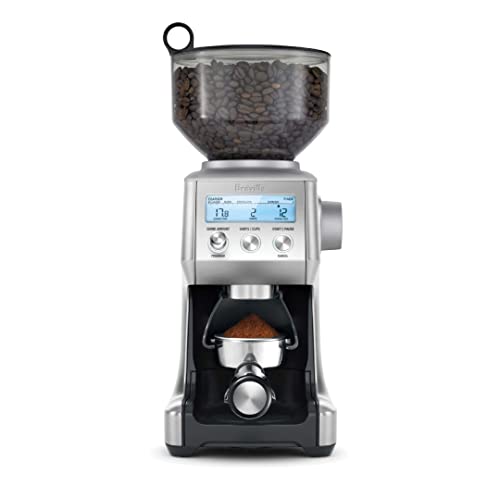
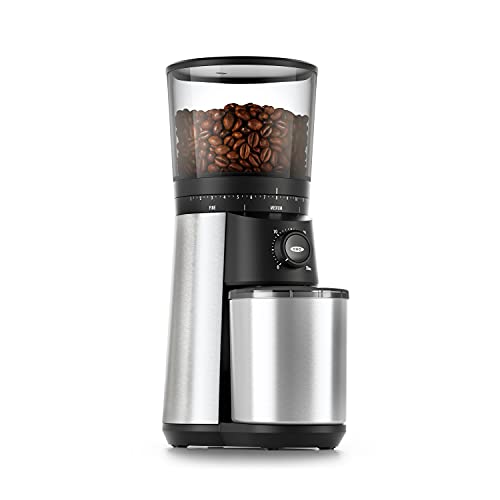
A barista burr grinder Starbucks drinkers would recognize is less about one specific machine and more about a grind profile: consistent particle size, a medium-fine setting for espresso or drip, and a dose that matches the drink. In this guide you will learn how to choose a burr grinder that can reproduce that profile at home, how to dial it in step by step, and how to avoid the mistakes that make home coffee taste nothing like the cafe version.
What “Starbucks-Style” Grind Really Means
Starbucks does not publish a single grind chart for home use, and its stores use commercial grinders that are adjusted frequently. What home baristas usually mean by a Starbucks-style grind is a clean, even particle distribution that produces a balanced, slightly sweet cup with a roasted, chocolate-forward profile. The goal is not to copy a machine but to hit the same target: few fines, few boulders, and no channeling in the espresso puck.
For espresso, that usually means a fine grind somewhere between powdered sugar and table salt. For drip or pour-over, it means a medium grind closer to sand. Your roast, dose and brew method all shift the exact setting, so treat any number you read online as a starting point.
Choosing a Burr Grinder That Can Hit the Target
Blade grinders chop rather than grind, so they produce a wide spread of particle sizes and cannot repeat a setting. A burr grinder crushes beans between two abrasive surfaces, and the gap between them determines the size of the grounds. For a Starbucks-style result, look for these factors:
- Burr type: Conical burrs are common in home grinders and generally produce less heat and a broad, forgiving range. Flat burrs can produce a more uniform particle size, which many espresso drinkers prefer. The difference is discussed in detail in Flat vs Conical Burr Grinders: What Actually Differs.
- Fine adjustment: You need steps small enough to move between espresso and drip without guesswork. Stepped grinders with many clicks are easier to repeat than stepless ones.
- Retention: Low retention means fewer old grounds mixing with fresh ones, which matters when you switch roasts. See Burr Coffee Grinders: Flat vs Conical Burrs, Consistency and Retention for more on this.
- Dosing: A grinder that dispenses grounds into a portafilter or a dosing cup reduces mess and static, which affects consistency.
- Burr condition: Worn burrs produce more fines and uneven grounds, even on a good machine. Knowing when to replace them helps; see When to Replace Coffee Grinder Burrs.
If you plan to pair the grinder with an espresso machine, check whether the grinder’s output and dosing suit your portafilter basket. The 7 Best Semi Automatic Espresso Machines with Burr Grinder Picks for Home Baristas article covers combinations that are commonly used together.
Step-by-Step: Dialing In a Starbucks-Style Grind
Step 1: Set Your Dose and Ratio
For espresso, a common home starting point is 18 grams of coffee for a double basket, aiming for a yield of about 36 grams in roughly 25 to 30 seconds. For a pour-over, a ratio near 1:16 (for example, 20 grams of coffee to 320 grams of water) is a reasonable baseline. Weigh both coffee and water. A scale is not optional if you want repeatable results.
Step 2: Choose a Starting Grind Setting
Start in the middle of your grinder’s range for espresso and adjust from there. Most home baristas find that a fine setting in the lower third of the range works for medium-dark blends. Write down the number or click position so you can return to it.
Step 3: Pull a Test Shot and Read It
Time the shot and measure the yield. Taste it. If the shot runs under about 20 seconds and tastes sour or thin, grind finer. If it runs over 35 seconds and tastes bitter or harsh, grind coarser. Change the setting one small step at a time.
Step 4: Check Distribution and Puck Prep
Even a perfect grind will channel if the puck is uneven. Distribute the grounds with a finger or a distribution tool, then tamp level. Look for a shot that flows evenly rather than spurting from one side.
Step 5: Adjust for Pour-Over
For drip or pour-over, move to a medium setting. A total brew time of about 2:30 to 3:30 is a common target for a V60-style cone. If the brew finishes in under two minutes, grind finer; if it drags past four, grind coarser.
Step 6: Log and Repeat
Record the grind setting, dose, yield, time and tasting notes for every new bag of beans. Roasts age, humidity changes and burrs wear, so the number that worked last month may need a small adjustment.
Quick Reference Table
| Brew Method | Typical Grind Size | Common Dose | Target Time |
|---|---|---|---|
| Espresso (double) | Fine, powdered sugar to table salt | 18 g | 25 to 30 seconds |
| Pour-over (cone) | Medium, sand-like | 20 g per 320 g water | 2:30 to 3:30 |
| French press | Coarse | 30 g per 500 g water | 4 minutes steep |
Checklist: What You Need Before You Start
- A burr grinder with stepped or fine adjustment
- A digital scale that reads to 0.1 gram
- A timer
- A distribution tool or leveler for espresso
- A tamper that fits your portafilter
- Fresh beans, ideally roasted within the last few weeks
- A notebook or app for logging settings
Common Mistakes to Avoid
- Grinding stale beans: Old coffee tastes flat no matter how well you grind it.
- Changing too many variables at once: Adjust only the grind, or only the dose, between test shots.
- Ignoring retention: Switching from a dark roast to a light one without purging the grinder leaves flavors behind.
- Judging by time alone: A fast shot can be fine if the taste is balanced; trust your palate along with the clock.
- Neglecting cleaning: Oily residue and fines build up over time and change the grind.
- Expecting identical results to a store: Commercial grinders, machines and water differ, so aim for a similar profile rather than an exact copy.
Recommended gear
A reliable scale is the most useful accessory for repeatable dosing and brew ratios, since grind size alone cannot fix inconsistent input. Look for one that reads to 0.1 gram and has a flat, responsive platform.
A small brush or static tool helps clear retained grounds between roasts, which keeps the first shots after a change from tasting muddy.
A distribution tool or leveler improves puck evenness, reducing channeling and making your grind adjustments easier to read. We also found How to Remove Burr Grinder Breville Barista Express: A Practical Guide (2026) useful on this point.
FAQ
What grind setting is closest to a Starbucks espresso?
There is no published universal setting. Most home baristas start fine, in the lower third of their grinder’s range, and adjust until a double shot of about 18 grams yields roughly 36 grams in 25 to 30 seconds.
Can a blade grinder produce a Starbucks-style grind?
Not reliably. Blade grinders produce uneven particles and cannot repeat settings, which makes balanced espresso or consistent pour-over difficult.
Is a flat or conical burr better for this?
Both can work. Flat burrs often give a more uniform particle size, while conical burrs run cooler and offer a forgiving range. Your preference and budget will guide the choice.
How often should I clean my burr grinder?
Many manufacturers recommend a brush-out after every few uses and a deeper clean periodically. Check your model’s manual for specific intervals.
Why does my espresso taste sour even with a fine grind?
Sour shots often mean the extraction is under-developed, which can come from a grind that is still too coarse, a short shot, or stale beans. Try a finer setting and check freshness.
Do I need a scale to dial in my grinder?
Yes, for repeatable results. Without weighing your dose and yield, it is hard to tell whether a change came from the grind or from a difference in measurement.
Will my grinder need new burrs soon?
Burrs wear over time, and signs include more fines, inconsistent shots and rising grind temperature. Replacement timing depends on usage and the material of the burrs.
Should I consult a professional about my coffee equipment?
For electrical repairs or any issue involving a machine that is not working safely, contact the manufacturer or a qualified technician rather than opening the unit yourself.
Conclusion
A barista burr grinder Starbucks-style result comes from a consistent grind, fresh beans and a methodical approach to dialing in. Weigh your dose, change one variable at a time, and log every adjustment. With a little patience, your home cups can reach a balanced, café-like profile that suits your taste.
Related reading
- Turin DF54 Single Dose Flat Burr Grinder Review: Who Is It For?
- Top 8 Brim Conical Burr Grinders Compared for Home Brewing
Ready to choose one?
About Audrey Hayes
Audrey Hayes is part of our editorial team and reviews and edits our coffee gear & accessories guides, checking product details against manufacturer specifications and owner feedback.