By Claire Whitaker
Updated November 2026
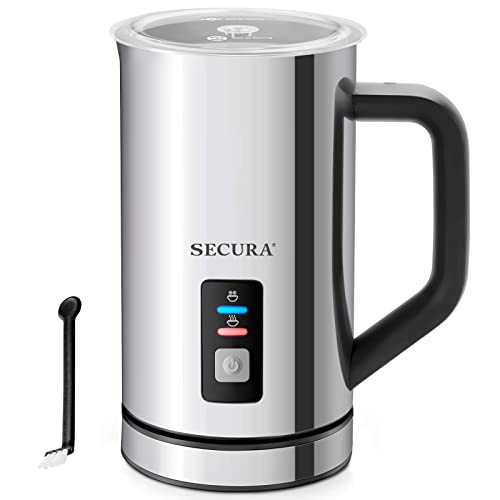
The best milk frother heater is the one that both warms and aerates your milk to the right temperature and texture for your drinks. In this guide, you’ll learn which features matter, how to match a device to the way you drink coffee, and how to use it for consistent foam. Whether you want a quick cappuccino or a smooth flat white, the right heater-frother pairing makes the difference.
Decide What “Heater” Means for Your Setup
Some frothers only whip air into milk and rely on you to heat it separately. Others heat and froth in one step. Before comparing models, decide which you need. A combined unit saves a pan and a step. A frother-only tool gives you more control if you already heat milk on the stove or in a microwave.
Shopping for one? See our guide: 7 Best Milk Frothers and Steamers for Home Use (2026).
If you’re unsure which style fits your routine, read Milk Heater and Frother: How to Choose and Use One (Step-by-Step) for a side-by-side look at how each works.
Check Heating and Foam Performance
Milk tastes best between about 140°F and 150°F. Above roughly 160°F, it starts to taste flat and scalded. When you compare heaters, look for:
- Adjustable or preset temperature settings, so you can match the drink
- A stated capacity that fits your usual serving size
- Foam modes for both hot and cold froth, if you make iced drinks
- An automatic shutoff, which prevents scorching if you walk away
Manufacturers often specify different heating times and capacities, so check the listed range against your typical portion before you buy.
Match the Frother to Your Drink Style
Thick microfoam for latte art needs a different approach than the airy foam on a cappuccino. Electric frothing jugs with a whisk tend to produce larger bubbles and more volume. Models with a steam-style or pressure-based mechanism often yield finer, glossier texture. If you mainly make lattes, prioritize microfoam quality. If you mostly make cold foam for iced coffee, look for a cold setting.
For a broader comparison of what’s on the market, see Best Milk Frother Machine: How to Choose the Right One for Home Lattes.
Step-by-Step: Heating and Frothing Milk at Home
- Pour cold milk to the fill line. Whole milk and barista-style oat milk both froth well.
- Select the heat and froth setting that matches your drink.
- Start the cycle and wait for the automatic stop or the indicator light.
- Tap the jug gently on the counter to pop large bubbles.
- Swirl the milk for ten seconds to blend the foam into the liquid.
- Pour immediately while the texture is still smooth.
Keep It Clean and Working Well
Dried milk residue affects both heating and foam quality. Rinse the jug and whisk right after each use, and run a cleaning cycle if the manufacturer includes one. A dedicated frother cleaner helps remove milk film from steam-based parts. Consult the product manual for cleaning steps specific to your model.
Common Mistakes
- Overfilling past the max line, which causes spills and uneven heating.
- Using milk straight from the fridge with the wrong setting, leading to thin foam.
- Skipping the swirl step, leaving large bubbles on top.
- Letting milk sit after frothing, which quickly collapses the foam.
- Ignoring the cleaning schedule, which can affect performance over time.
Recommended Gear
A simple digital thermometer helps you check that milk stays in the 140–150°F range, which is useful when you’re learning a new heater. View on Amazon
A stainless steel frothing pitcher makes it easier to pour latte art and gives a clear view of the milk level. View on Amazon
A dedicated milk frother cleaning tablet helps dissolve residue from hard-to-reach parts. View on Amazon
FAQ
Can I heat milk without a frother?
Yes. You can heat milk in a saucepan or microwave, but you’ll need a separate method to create foam, such as a handheld whisk or a French press.
What temperature should milk be for a latte?
Most baristas aim for about 140°F to 150°F. Hotter milk tends to taste scorched and lose its natural sweetness.
Does the type of milk matter?
It does. Whole dairy and barista-style oat milk usually foam well, while skim milk makes lighter, less stable foam. Check the product label for frothing claims.
Conclusion
The best milk frother heater for you depends on whether you want combined heating and frothing or more control over each step. Focus on temperature range, foam mode and ease of cleaning. Once you’ve chosen, follow a consistent routine and your home lattes will improve quickly.
Related reading
Ready to choose one?
About Claire Whitaker
Claire Whitaker is part of our editorial team and reviews and edits our coffee gear & accessories guides, checking product details against manufacturer specifications and owner feedback.