By Claire Whitaker
Updated November 2026
The best milk frother machine is the one that matches how you actually drink coffee. A handheld wand works for quick cappuccino foam, while an automatic frother or a steam-equipped espresso machine handles hot, silky milk with less effort. This guide walks you through the main types, the factors that separate good frothers from frustrating ones, and a few tips to get consistent foam at home.
Start by Choosing the Frother Type
Milk frothers fall into three broad groups, and each one suits a different routine. Choosing the type first keeps you from comparing products that solve different problems.
Shopping for one? See our guide: 7 Best Espresso and Milk Frother Machines for Home Baristas (2026).
- Handheld frothers are battery or rechargeable wands with a whisk head. They take about 20 to 30 seconds per cup and work well for cold foam and light, airy topping.
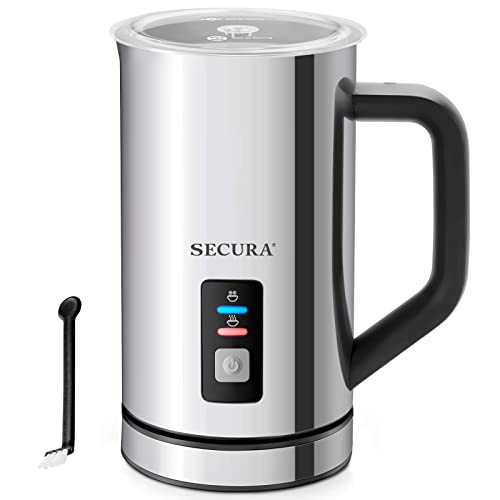
- Standalone electric frothers include a heating element and a whisk or magnetic stirrer in a jug. Many owners use them for hot, dense foam with little attention.
- Integrated frothers are built into espresso or pod machines. They use steam or a heated whisk and pair naturally with your coffee, so you can pour and finish a drink in one place.
If you mostly make lattes at home, an integrated or steam-based system gives the richest texture. If you drink cold foam or want something compact, a handheld model is usually enough.
Check the Features That Affect Foam Quality
Spec sheets vary, but a few features determine how the foam turns out. Look for these before you narrow the list.
- Heating method: Steam produces the glossiest microfoam. Heated electric jugs are consistent and easy. Unheated handhelds need warm milk to get a good result.
- Capacity: Manufacturers usually list the maximum milk volume. Stay under the fill line, since milk expands as it foams.
- Foam settings: Models with separate hot and cold modes let you switch between a latte and a cold topping without changing equipment.
- Cleaning access: Removable whisks and dishwasher-safe parts save time. Milk residue dries fast, so easy cleaning matters more than most buyers expect.
How to Froth Milk for Better Results
Even a strong machine needs the right technique. These steps apply to most electric and handheld frothers.
- Use cold whole milk or 2% for the richest foam. Oat and almond milks also froth but may thin out faster.
- Fill the jug to the line for hot foam, or to about one-third for cold foam, since cold milk expands less.
- Submerge the whisk just below the surface before you start, so you do not pull in large bubbles.
- Froth for the time your model specifies, usually 20 to 60 seconds, then tap the jug on the counter to release large bubbles.
- Pour immediately, holding back the foam with a spoon if you want a dry cap.
Common Mistakes to Avoid
- Overfilling the jug, which leads to spills and uneven foam.
- Using milk straight from a warm fridge shelf, which makes foam less stable.
- Leaving milk residue on the whisk, which can cause odors and clogs over time.
- Running a steam wand or heating element dry. Always check that liquid is present first.
- Expecting a handheld wand to produce hot microfoam like a steam system.
Recommended Gear
Choose accessories that match your frother type. Verify compatibility with your model before buying.
- Stainless steel frothing pitcher: A pitcher with a pour spout gives you control over latte art and helps the milk stay at a steady temperature. View on Amazon
- Digital thermometer: A simple probe thermometer helps you hit a consistent milk temperature, which is key for repeatable foam. View on Amazon
- Milk frother cleaning brush: A narrow brush reaches under the whisk and into the wand, where dried milk tends to collect. View on Amazon
Further Reading
For a wider comparison, see 7 Best Milk Frothers and Steamers for Home Use (2026) or the Milk Frother Machine Guide: How to Choose and Use One. If you own a Nespresso system, Nespresso Milk Frother: How to Get Silky Foam at Home covers the specific steps.
FAQ
Is a handheld frother good enough for lattes?
Yes, for everyday lattes and cappuccinos, a handheld model produces usable foam. The texture is lighter and less glossy than steam, so it suits casual drinks better than latte art.
What milk works best for frothing?
Whole milk gives the thickest, most stable foam. Reduced-fat milk works too, while oat and almond milks froth but often collapse faster. Check your frother’s manual for any milk limits.
How often should I clean my milk frother?
Rinse the whisk or wand right after each use, and do a deeper clean at least weekly. Follow the manufacturer’s instructions, since cleaning steps vary by model.
Conclusion
The best milk frother machine for you depends on whether you want steam-quality foam, a simple electric jug, or a compact handheld. Match the type to your drinks, check the heating method and cleaning access, and practice the basic technique. Consistent milk temperature and a clean whisk will do more for your foam than any single feature.
Related reading
- 6 Best Nespresso Machines with Milk Frother for Home Use (2026)
- Best Handheld Milk Frothers
- Best Electric Milk Frothers for Lattes at Home
Ready to choose one?
About Claire Whitaker
Claire Whitaker is part of our editorial team and reviews and edits our coffee gear & accessories guides, checking product details against manufacturer specifications and owner feedback.