By Claire Whitaker
Updated November 2026
Choosing between bleached or unbleached coffee filters comes down to two things: how much you care about trace chemicals and paper color, and how much you value a clean, neutral cup. Unbleached filters are the better default for most home brewers who want a natural look and fewer processing chemicals. Bleached filters remain a fine, widely available choice for drippers who notice no difference in flavor and simply prefer a whiter paper.
| Criterion | Bleached filters | Unbleached filters |
|---|---|---|
| Paper color | Bright white | Tan or brown |
| Bleaching process | Chlorine or oxygen bleach used | No bleaching step, or minimal processing |
| Trace residue concern | Lower concern with oxygen bleaching, debated with chlorine | Minimal |
| Flavor impact | Mild paper taste possible if rinsing is skipped | Mild paper taste possible if rinsing is skipped |
| Brewing performance | Standard flow rate | Standard flow rate |
| Environmental footprint | Bleaching adds processing steps | Fewer processing steps |
| Availability | Very wide | Very wide |
Chemical Residue: Which Option Leaves Less Behind?
Unbleached filters win on residue. Because they skip the bleaching step, there is no bleaching agent to rinse out. Many bleached filters are made with oxygen-based bleaches, which break down into water and oxygen and leave little behind. Chlorine-bleached paper has historically raised more questions, though modern mills largely use chlorine-free processes. Whichever type you buy, rinsing the filter with hot water before brewing is a simple step that removes loose paper fibers and any surface residue. For specific health concerns, consult a healthcare professional.
Flavor: Does Bleaching Change the Cup?
Neither option has a clear flavor edge once the filter is rinsed well. Some drinkers report a faint papery taste from unbleached filters, which is usually a rinsing issue rather than the paper itself. Bleached filters tend to have a more neutral smell straight out of the box. Winner for taste: a tie, as long as you rinse both thoroughly. Pour-over and drip brewers using light roasts may notice paper notes more than those using darker, bolder coffee.
Brewing Performance: Flow and Extraction
Brewing performance depends far more on the filter’s shape, weight and fiber density than on whether it was bleached. Most major brands aim for similar flow rates in the same size and shape, so a bleached and unbleached filter of the same design should extract similarly. Check that the filter fits your dripper snugly, since a poor fit causes channeling regardless of color. Winner for performance: a tie.
Environmental Impact: Fewer Steps Favor Unbleached
Unbleached paper skips a processing stage, which generally means less energy and fewer inputs. That gives unbleached filters a modest environmental edge. Look for filters labeled with recycled content or sustainable forestry certification if the footprint matters to you. Winner for environment: unbleached.
Which Should You Choose?
- Choose unbleached if you want the least processing and you do not mind a tan paper color.
- Choose bleached if you prefer bright white filters and rinse thoroughly before each brew.
- Choose unbleached if you brew light roasts and want to minimize any possible paper notes.
- Choose bleached if you use oxygen-bleached filters and want a neutral look.
- Choose either if you have a consistent rinse routine and a filter that fits your dripper well.
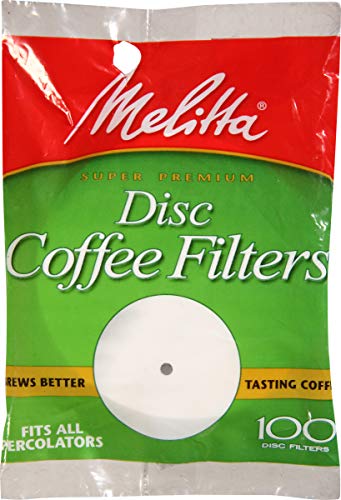
For a dedicated unbleached option, the Melitta Unbleached Cone Coffee Filters are a common pick for standard drip machines. View on Amazon
For a bright white alternative, the Melitta White Cone Coffee Filters are widely available. View on Amazon
If you use a pour-over cone, the Hario V60 Paper Coffee Filters suit that dripper. View on Amazon
For a deeper look at the health question, see Are Bleached Coffee Filters Bad for You? What the Science Says. If you are weighing paper against other materials, Paper vs Metal vs Cloth Coffee Filters covers the trade-offs.
FAQ
Are unbleached coffee filters completely chemical-free?
Unbleached filters skip the bleaching step, so they contain no bleaching agent. They may still carry trace substances from papermaking, which is why rinsing before brewing is a sensible habit.
Do bleached filters affect the taste of coffee?
When rinsed well, bleached filters generally do not affect taste in a measurable way for most drinkers. A faint paper note is possible with either type if the filter is skipped during rinsing.
Should I rinse unbleached filters before brewing?
Yes. Pouring hot water through the filter removes loose fibers and any surface residue, and it also warms the dripper and carafe. This applies to bleached filters too.
Are oxygen-bleached filters safer than chlorine-bleached ones?
Oxygen bleaching is generally considered the gentler process, since its byproducts break down into water and oxygen. For a definitive answer about exposure, consult a healthcare professional.
Will unbleached filters fit my drip machine?
Check the filter size and shape against your machine’s basket. Cone filters are common for drip makers, while flat-bottom designs suit other brewers. For more on shape differences, see Cone vs Flat-Bottom Coffee Filters: What Changes in the Cup.
Conclusion
For most home brewers, unbleached filters are the simpler, lower-processing choice, while bleached filters remain a perfectly reasonable option, especially oxygen-bleached ones. Brewing performance and flavor are largely equal once you rinse. Pick based on the paper color you prefer and how much you value minimal processing. Whichever you choose, a quick hot-water rinse and a snug fit in your dripper will matter more than the color of the paper.
Before you buy: helpful guides
About Claire Whitaker
Claire Whitaker is part of our editorial team and reviews and edits our coffee gear & accessories guides, checking product details against manufacturer specifications and owner feedback.