Choosing between a cone-shaped paper filter and a flat-bottom (basket) filter is one of the first decisions you make when setting up a pour-over routine. The shape of the filter directly determines how the coffee bed sits, how water flows through the grounds, and ultimately what flavors end up in your cup. This guide explains the differences between cone and flat-bottom filters, how each affects extraction, and how to match the filter to your brewer for consistent, great-tasting coffee.
How Each Filter Shape Works
The fundamental difference between cone and flat-bottom filters is the geometry of the coffee bed they create.
Cone Filters
Cone filters have steep, sloping sides that meet at a small opening at the bottom. When you place the filter in a cone-shaped dripper, the coffee grounds form a deep, narrow bed. Water is poured into the cone and flows downward through the grounds, exiting through the single small hole at the apex. Because the bed is deep, the water has a longer path to travel, which increases contact time and can lead to higher extraction if your pour technique is precise. The narrow exit also means that the flow rate is more sensitive to grind size and any fines that settle at the bottom. Cone filters are common in pour-over brewers that have a conical shape, often made of ceramic, glass, or plastic.
Flat-Bottom Filters
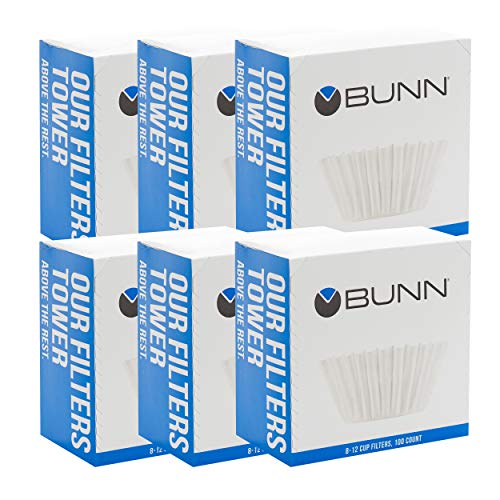
Flat-bottom filters, sometimes called basket filters, have a wide, flat base and straight or slightly tapered sides. When placed in a flat-bottom dripper, the coffee bed is shallow and broad. Water flows through the entire bed and exits through multiple small holes (usually three) arranged in a circle or a single larger hole in the center of the flat base. Because the bed is shallow, the water passes through more quickly, resulting in a shorter contact time. This design is more forgiving of uneven pouring and grind inconsistencies, as the larger exit area reduces the chance of clogging. Flat-bottom filters are used in brewers that have a flat base, such as those with a wave-style bottom or a traditional basket shape.
Side-by-Side Comparison
| Aspect | Cone Filter | Flat-Bottom Filter |
|---|---|---|
| Coffee bed shape | Deep, narrow | Shallow, wide |
| Flow rate | Slower, more restricted at the exit | Faster, larger exit area |
| Extraction characteristics | Higher potential extraction; more clarity and acidity if poured well | More even extraction with less effort; fuller body, less clarity |
| Paper weight / thickness | Often thinner paper (though thicker options exist) | Often thicker paper to avoid tearing under the flat base |
| Rinsing needs | Recommended to remove paper taste and preheat; thinner papers may need less rinsing | Recommended, especially for thicker papers that can impart more paper flavor |
| Common brewer types | Conical pour-over drippers | Flat-bottom drippers with three holes or a single hole |
| Troubleshooting slow drains | Often caused by fine grind or fines clogging the single exit; adjust grind coarser or pour more gently | Often caused by thick paper or fines blocking the multiple holes; try a coarser grind or a lighter paper |
Matching the Filter to Your Brewer
Using the correct filter shape for your brewer is essential. A cone filter will not sit properly in a flat-bottom dripper, and a flat-bottom filter will not seal against the walls of a cone dripper. The filter must match the shape of the brew basket to ensure water flows through the coffee bed rather than bypassing the grounds along the sides. Check your brewer’s instructions or the manufacturer’s recommendations to know which filter shape and size it requires. Some brewers are designed to work with either shape, but most are optimized for one type. Using the wrong filter can lead to uneven extraction, channeling, and a messy brew.
Paper Weight and Rinsing
Paper filters come in a range of thicknesses, often described as light, medium, or heavy. Cone filters are frequently made with thinner paper to allow a faster flow through the single exit, though thicker cone filters are also available. Flat-bottom filters often use thicker paper to provide enough strength to hold the coffee bed without collapsing against the flat base. The thickness of the paper affects both the flow rate and the amount of paper flavor that can be transferred to the coffee.
Rinsing the filter with hot water before adding coffee grounds is a standard practice for both shapes. Rinsing removes loose paper fibers and any residual paper taste, and it preheats the brewer, helping to maintain a stable brewing temperature. Thicker papers generally benefit more from a thorough rinse, as they can impart a noticeable papery flavor if used dry. To rinse, place the filter in the dripper, pour hot water through it, and let it drain completely before discarding the rinse water. This step takes only a few seconds and can noticeably improve the clarity of your brew.
Sizes
Filters are available in multiple sizes to fit different brewers. Cone filters are commonly labeled with numbers such as 01, 02, and 03, corresponding to the size of the dripper. Flat-bottom filters also come in various diameters and heights to match specific brewers. Using the correct size is important: a filter that is too small may not sit flush against the dripper walls, allowing coffee grounds to bypass the filter and end up in your cup. A filter that is too large can fold over itself, creating uneven flow and potential clogging. Always check the size recommended for your brewer, and if you are unsure, measure the inside diameter of the brew basket and compare it to the filter dimensions listed on the package.
Troubleshooting Slow Drains
A slow drain is one of the most common frustrations with pour-over brewing, and the cause can differ depending on your filter shape.
With Cone Filters
Because the exit hole is small, cone filters are more prone to clogging if your grind is too fine or if there are many coffee fines. The deep bed also means that water can pool on top, leading to a stalled brew. To fix this, try grinding slightly coarser, pouring in a slower, more controlled manner, or using a filter with a slightly lighter paper weight. Also make sure you are not overfilling the cone; leaving some headspace allows the water to drain more freely.
With Flat-Bottom Filters
Flat-bottom filters typically have multiple exit holes, which are less likely to clog than a single small hole. However, if the paper is very thick or if the grind is extremely fine, the holes can become blocked. A common issue is that the filter paper itself may sag against the flat base and seal off some of the holes. To avoid this, ensure the filter is properly seated and that the paper is not folded or wrinkled. If you experience slow draining, try a coarser grind or a lighter-weight paper. Also check that your water temperature is hot enough (around 195–205°F is typical) to promote good extraction without stalling.
For more detailed troubleshooting of pour-over problems, see our guide to pour-over issues.
When to Choose Cone vs Flat-Bottom
The choice between cone and flat-bottom filters comes down to your brewing style and the flavors you prefer.
Cone Filters
Choose a cone filter if you enjoy having more control over the extraction. The deeper bed allows you to manipulate the pour rate and pattern to highlight bright, acidic notes and floral flavors. Cone filters are well suited for light-roast coffees, where you want to maximize clarity and complexity. They also work well if you are willing to pay close attention to your pouring technique and adjust your grind precisely. However, cone filters are less forgiving of mistakes; a rushed pour or an uneven grind can easily lead to a stalled brew or a bitter, over-extracted cup.
Flat-Bottom Filters
Choose a flat-bottom filter if you prefer a more forgiving brewing process and a fuller-bodied cup. The shallow bed and multiple exit holes make it easier to achieve an even extraction without careful pouring. Flat-bottom filters are a good match for medium- to dark-roast coffees, where you want to emphasize sweetness and body rather than bright acidity. They are also a great choice for beginners or for mornings when you want a reliable brew without much fuss. The trade-off is that you may lose some of the subtle flavor nuances that a cone filter can reveal.
FAQ
Can I use a cone filter in a flat-bottom brewer?
No, a cone filter will not fit properly in a flat-bottom brewer. The filter will not seal against the sides, and water will flow around the coffee bed instead of through it, leading to weak, uneven extraction. Always use the filter shape that matches your brewer.
Why does my pour-over drain slowly with a cone filter?
Slow draining with a cone filter is usually caused by a grind that is too fine, an excessive amount of coffee fines, or pouring too aggressively, which forces fines into the small exit hole. Try a coarser grind, pour more gently, or consider using a filter with a lighter paper weight. For more help, see our pour-over troubleshooting guide.
Do I need to rinse flat-bottom filters?
Yes, rinsing is recommended for all paper filters, including flat-bottom types. Rinsing removes paper taste and preheats the brewer. Thicker flat-bottom filters especially benefit from a thorough rinse to avoid a papery flavor in your coffee.
What size filter do I need?
Filter size depends on your specific brewer. Check the manufacturer’s instructions or measure the inside of your brew basket. Cone filters are often labeled with numbers like 01, 02, or 03, while flat-bottom filters are sized by diameter. Using the correct size ensures a proper fit and good extraction.
Both cone and flat-bottom filters can produce excellent coffee when used correctly. The best choice depends on your brewer design, your preferred roast profile, and how much control you want over the brewing process. Experiment with both shapes if your brewer allows, and pay attention to how the bed shape affects your cup. For more information on different types of coffee filters, visit our coffee filters guide. If you are new to manual brewing, our manual brewing section can help you get started.