As an Amazon Associate I earn from qualifying purchases. This page may contain affiliate links.
The capresso infinity burr grinder is a good fit for home brewers who want consistent, adjustable grinds without stepping up to a commercial-style machine. It suits drip, pour-over, French press and moderate espresso work, and it is a sensible choice if you value a stepless-feeling range of settings and a quiet, low-speed motor. Skip it if you need single-dose precision, very fast grinding for a busy café-style counter, or the finest possible espresso grind in a tight workflow. Buyers who want a simple timer-and-cup experience may also prefer a more automated model. The sections below cover specs, strengths, limits and alternatives so you can decide with the details in front of you.

Capresso Infinity Plus Conical Burr Grinder, Black | Commercial-grade steel burrs, 16 settings, low-speed gear motor
Product Overview
The Capresso Infinity Plus is a conical burr grinder in the Infinity line, a family of home grinders that Capresso has offered for years. The model under review is listed as a black, commercial-grade steel burr grinder with 16 grind settings and a low-speed gear motor. Its design goal is clear: produce a uniform grind from whole beans while keeping heat and noise down, which matters because heat from fast-spinning burrs can flatten aromatics and retention in the chamber can leave stale grounds behind.
Conical burrs sit inside the grinding chamber and work differently from flat burrs. They tend to produce a wider range of particle sizes than a high-end flat burr set, but they are generally forgiving, run cooler at lower speeds and handle a broad span of brew methods. If you want a deeper look at the trade-offs, see Flat vs Conical Burr Grinders: What Actually Differs and Burr Coffee Grinders: Flat vs Conical Burrs, Consistency and Retention.
In everyday use, the grinder is positioned as a bean-to-grounds appliance for the countertop. You fill the hopper, pick a setting, choose a cup count or grind time depending on the control layout you have, and collect grounds in a container. The idea is that you spend less time fiddling and more time dialing in your brew.
Key Features & Specifications
The table below lists the specifications that are stated in the product name or are well established for this model family. Where a detail is not confirmed, it is left out rather than guessed.
| Feature | Details |
|---|---|
| Burr type | Conical burrs, commercial-grade steel |
| Grind settings | 16 settings |
| Motor | Low-speed gear motor |
| Color | Black |
| Intended use | Home drip, pour-over, French press and espresso grinding |
Owners and manufacturer materials typically describe the low-speed motor as a way to limit heat and noise. Check the current listing for hopper capacity, dimensions, weight and warranty length, since those details can change between production runs.
Pros & Cons
Pros
- Commercial-grade steel burrs are designed for long service life and steady performance.
- Sixteen settings give a useful range from coarse French press to fine drip and some espresso work.
- The low-speed gear motor helps keep grounds cooler, which supports flavor clarity.
- Conical burrs are forgiving for mixed brew methods and generally quieter than high-speed blade grinders.
- Simple operation suits people who want a repeatable setting for each brew.
Cons
- Conical burrs produce a wider particle spread than top-tier flat burr grinders, which can affect espresso clarity.
- Low-speed grinding is slower than high-speed models, so a double shot of grounds takes longer.
- Like most grinders in this class, some grounds remain in the chamber between uses, so purging is advisable when switching beans.
- Fine espresso grinds may need more dialing in than a dedicated espresso grinder would require.
Performance Analysis
Performance comes down to three things: grind consistency, heat and speed. On consistency, conical burrs in this class generally deliver good uniformity for drip and French press, where a moderate spread is tolerable. Owners often report that coarse and medium settings produce clean, even cups, and that the grinder holds a setting well from session to session. For espresso, results depend heavily on the bean, the dose and how finely you dial in; many buyers find that the grinder is capable but that a flatter, more precise burr set would give sharper shot-to-shot repeatability.
Heat is where the low-speed motor earns its keep. Slower burr rotation generates less friction heat, which helps preserve volatile aromatics. This is a general principle of grinder design rather than a measured claim for this unit, so it is worth comparing with reviews from other sources if flavor clarity is your main priority.
Speed is the trade-off. A low-speed grinder takes longer per dose than a high-speed one. For one or two cups a day this is rarely an issue. For a household brewing several pots or multiple espresso drinks in a row, the wait can feel long. Retention is also worth planning around: switching from a dark roast to a light one without purging will carry over some flavor. Purging a small handful of beans before the first real dose is the usual workaround. For background on how retention and consistency interact, read Burr Coffee Grinder Guide: How to Choose and Use One.
Burr wear is a long-term consideration for any grinder. Steel burrs can last a long time with normal home use, but the point at which grind quality drops is worth knowing. See When to Replace Coffee Grinder Burrs for the signs to watch.
Who Should Buy This Product?
This grinder suits home brewers who brew mostly drip, pour-over or French press, and who want a sturdy, quiet machine that holds settings reliably. It also works for people who occasionally pull espresso and accept that a dedicated espresso grinder would be more precise. Buyers who want stepped-up control for espresso may find that other models in the same family are better aligned with their goals. If you are weighing a Capresso Infinity against similar models, Capresso Infinity Conical Burr Grinder Review: Is It Worth It? offers a parallel perspective.
You should probably skip this grinder if you pull espresso daily and need the finest, most repeatable shots, if you grind large quantities for a business, or if you want a fully automatic experience with programmed dosing. Those needs point toward a dedicated espresso grinder or a commercial-style single-dose machine.
Buying Guide
Before you buy any burr grinder, work out what you brew most often. For drip and French press, a conical grinder with a wide, easy-to-read range of settings is usually enough. For espresso, look for finer adjustment steps and a flatter burr profile. Also consider capacity, footprint and noise, because a grinder you dread using will go unused.
Check the number of settings and whether they are stepped or stepless. Sixteen stepped settings is a practical range for most home brewers. Confirm hopper size against how much coffee you grind at once, and look at how easy it is to empty and clean the grounds container. Retention, the amount of ground coffee left inside after grinding, is another point to weigh, especially if you switch beans often. Our guide on Niche Coffee Grinder Guide: Pick the Right Burrs for Your Brew explains how burr choice affects results across brew styles.
Alternatives worth comparing:
- Capresso 560.04 Infinity Conical Burr Grinder, Brushed Silver – a closely related Infinity model with a different finish, useful if you want the same grinding family in a brushed silver look.
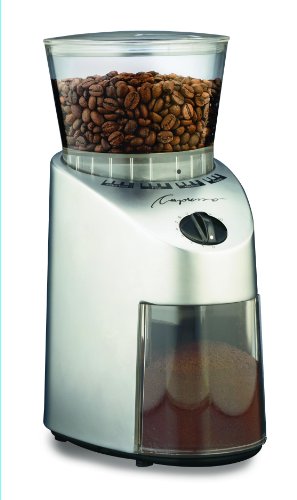
Capresso 560.04 Infinity Conical Burr Grinder, Brushed Silver
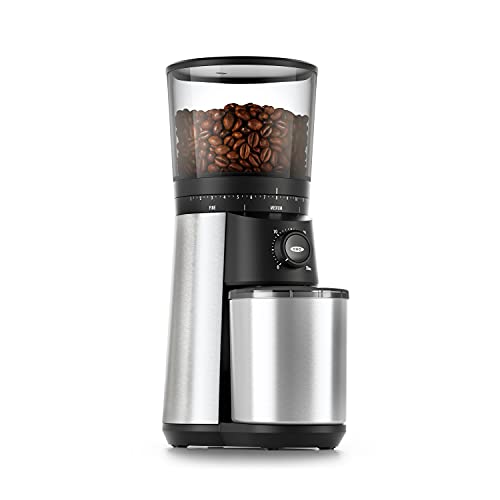
- OXO Brew Conical Burr Electric Coffee Bean Grinder – a 12 oz automatic conical grinder in matte black with stainless steel components, aimed at buyers who want a one-touch experience for drip and espresso.

OXO Brew Conical Burr Electric Coffee Bean Grinder – 12 Oz, Matte Black | Automatic, Stainless Steel, Smart Consistent Grind For Espresso And Drip Coffee, One-Touch Automatic
For a broader set of options in the same category, browse Infinity Conical Burr Grinder Picks: 8 Best Options for Home Brewing (2026) and Fellow Conical Burr Grinder Picks: 7 Best Options Compared for Home Brewing.
FAQ
Is the Capresso Infinity good for espresso?
It can handle espresso grinding, but it is not a dedicated espresso grinder. Owners who pull espresso regularly often find that a flatter, finer-adjusting burr set gives more repeatable shots. For occasional espresso, this grinder is usually workable with some dialing in.
How many settings does it have?
The model is listed with 16 grind settings. Use the chart in the manual or on the unit to find starting points for each brew method, then adjust one step at a time.
Are the burrs made of steel?
Yes. The listing describes commercial-grade steel burrs, which are a common and durable choice for home grinders.
Does the low-speed motor make a difference?
Generally, lower burr speed means less heat and less noise. Manufacturers and owners typically cite these as benefits for flavor and comfort, though the exact effect depends on your beans and brew method.
How do I clean it?
Unplug the grinder before cleaning. Brush out grounds from the chamber and burrs, and wipe the exterior with a dry cloth. Avoid water inside the motor housing. Follow the cleaning section of the manual for any model-specific steps.
How often should I replace the burrs?
Burr life depends on use, bean type and maintenance. When grind consistency drops or grinds feel uneven, it may be time to check or replace them. The signs are covered in When to Replace Coffee Grinder Burrs.
Should I purge between different beans?
Yes. Running a small amount of the new beans through the grinder before your real dose helps reduce flavor carryover from retained grounds.
Final Verdict
The Capresso Infinity Plus is a practical, well-built conical burr grinder for home brewers who want consistent grinds for drip, pour-over and French press, with capable but not top-tier espresso performance. Its commercial-grade steel burrs, 16 settings and low-speed motor make it a solid everyday choice for people who value steady results over speed. If you pull espresso often or need the sharpest possible cup, look at dedicated espresso grinders instead. For a balanced home setup, it earns a place on the counter. View on Amazon