By Claire Whitaker
Updated November 2026
Coffee filters flat bottom are paper or cloth liners designed to sit flat against the floor of a drip brewer’s basket instead of forming a cone. Using the right type means your grounds spread evenly, water passes through at a steady rate, and you get a cleaner, more balanced cup. This guide explains how flat bottom filters differ from cone filters, how to match one to your brewer, how to use them step by step, and what mistakes to avoid.
What Flat Bottom Coffee Filters Are
A flat bottom filter has a base that is level rather than pointed. When you open it, it looks more like a shallow bowl or a flat sheet folded at the edges. Most flat bottom designs are made from paper, though some reusable versions use woven cloth or fine metal mesh. Their shape is meant for basket-style drip machines, where the bottom of the basket is flat and wide.
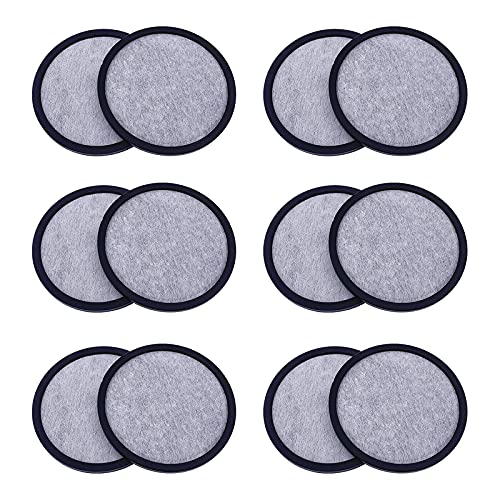
Shopping for one? See our guide: 6 Best Water Filters for Coffee Machines (2026).
The practical difference is coverage. A flat base lets grounds lie in an even layer across the whole bottom of the basket. Water from the showerhead lands on that layer and moves outward and downward, so extraction is more consistent across the bed. For a broader comparison of shapes and what they do to the cup, see Cone vs Flat-Bottom Coffee Filters: What Changes in the Cup.
Check Your Brewer Before You Buy
Not every drip machine works with flat bottom filters. Start by looking at the basket.
- Flat-bottomed basket: Most standard basket brewers have a flat floor and will take flat bottom filters.
- Conical basket: Some machines use a cone-shaped basket. Flat bottom filters will not seat properly in these, and you should use cone filters instead.
- Basket size: Filters are usually labeled by basket size, such as “Number 4” or “Number 2.” A filter that is too large will fold and tear. One that is too small will leave gaps at the edges where unfiltered grounds can escape.
Your machine’s manual should list the required filter size. If you have lost the manual, measure the basket width at the top and the depth from rim to floor, then compare those numbers against the manufacturer’s size chart on the filter packaging.
Choose the Right Material
Paper
Paper flat bottom filters are the most common choice. They are inexpensive, widely available, and remove most oils and fine particles, which produces a clean, bright cup. Some are bleached and some are unbleached. For a discussion of that choice, read Unbleached Coffee Filters vs Bleached: Which Should You Choose?.
Reusable Cloth or Mesh
Reusable flat bottom options are made from woven cloth or fine metal mesh. They let through more oils and fine sediment, which many people find adds body and texture. They also require washing after every use and can take on odors if not rinsed well. If you are weighing reusables against disposable paper, Paper vs Metal vs Cloth Coffee Filters lays out the tradeoffs clearly.
Step-by-Step: Using a Flat Bottom Filter
Tools and Supplies You Need
- A drip brewer with a flat-bottomed basket
- Flat bottom filters in the correct size
- A kitchen scale (optional, but useful for consistency)
- Freshly ground coffee
- Filtered water at a suitable temperature
Step 1: Seat the Filter Correctly
Open the filter so the flat base sits evenly on the basket floor and the side walls press gently against the basket edges. Gently run your finger around the rim to ensure there are no folds or creases that would let water bypass the coffee.
Step 2: Rinse the Paper (Paper Filters Only)
Pour a small amount of hot water through the empty filter before adding grounds. This removes paper taste and warms the basket. Discard the rinse water. Reusable filters should be rinsed or washed separately and dried before use.
Step 3: Measure and Add Grounds
A common starting point is about 1 gram of coffee per 15 to 17 grams of water, which is roughly 1 to 2 tablespoons of ground coffee per 6 ounces of water. Spread the grounds evenly across the flat base and gently level the surface with your fingertip. An even bed is the main reason to use a flat filter, so take a moment to do this.
Step 4: Set the Ratio and Brew
Fill the reservoir with the amount of water matching your target yield, then start the machine. Avoid opening the lid during the cycle, since heat loss can affect extraction.
Step 5: Check the Result
When the cycle ends, check the taste. If the cup is sour or thin, grind slightly finer or use a bit more coffee. If it is bitter or harsh, grind coarser or use less coffee.
Common Mistakes to Avoid
- Using the wrong size: A filter that is too small or too large will cause leaks or folds. Always check the basket size.
- Skipping the rinse: Paper filters can add a cardboard taste if not rinsed.
- Heaping the grounds in the middle: An uneven bed causes uneven extraction. Level the grounds before brewing.
- Mixing up filter shapes: Using a cone filter in a flat-bottomed basket, or a flat filter in a cone basket, leads to poor fit and sloppy brews.
- Neglecting reusable filters: Oils build up quickly. Wash them after every brew and let them dry fully.
Tips for Better Results
- Store unused filters in a dry, sealed container so they do not absorb moisture or odors.
- Use fresh coffee ground shortly before brewing for the most even extraction.
- Keep your machine clean, since mineral buildup can change water flow and temperature.
- Write down your ratio and grind setting so you can repeat a good cup.
Recommended gear
A few supplies can make flat bottom brewing more consistent. A basic kitchen scale helps you measure coffee and water accurately, which matters more than most people expect. Paper flat bottom filters in the size your brewer requires are the foundation of the method. If you prefer a reusable option, a washable mesh or cloth flat bottom filter avoids ongoing paper purchases.
- Digital kitchen scale: Helps you hit the same coffee-to-water ratio every time. View on Amazon
- Paper flat bottom filters in your basket size: The standard disposable choice for most basket brewers. View on Amazon
- Reusable flat bottom coffee filter: A washable option for lower waste. View on Amazon
FAQ
Are flat bottom coffee filters the same as cone filters?
No. Flat bottom filters have a level base for basket brewers, while cone filters have a pointed bottom for cone-shaped baskets. They are not interchangeable.
How do I know what size flat bottom filter to buy?
Check your machine’s manual or the basket dimensions. Filters are labeled by size, so match the label to your brewer’s requirement.
Do I need to rinse paper flat bottom filters?
Rinsing is recommended. It removes papery flavor and warms the basket before brewing.
Can I use a flat bottom filter in a cone-shaped basket?
It is not recommended. The filter will not seat properly, which can lead to gaps and uneven extraction.
How much coffee should I use with a flat bottom filter?
A common starting ratio is about 1 gram of coffee to 15 to 17 grams of water. Adjust to taste.
Are reusable flat bottom filters better than paper?
It depends on your priorities. Reusables reduce waste and let more oils through, while paper gives a cleaner cup and requires no washing.
How should I store unused filters?
Keep them in a dry, sealed container away from strong odors. Container for Coffee Filters: How to Store Them and Keep Them Fresh covers storage options in more detail.
Why does my coffee taste weak even with a flat filter?
Weak coffee usually means too little coffee, too coarse a grind, or water that is not hot enough. Adjust one variable at a time and taste after each change.
Conclusion
Flat bottom filters work best in flat-bottomed basket brewers, where an even bed of grounds leads to consistent extraction. Match the size to your machine, choose paper or reusable based on your taste and priorities, and rinse and level the grounds before each brew. Small adjustments to grind and ratio will tell you quickly whether your setup is working well.
Related reading
Ready to choose one?
About Claire Whitaker
Claire Whitaker is part of our editorial team and reviews and edits our coffee gear & accessories guides, checking product details against manufacturer specifications and owner feedback.