By Claire Whitaker
Updated November 2026
A milk frother is used to turn cold or warm milk into foam, so you can add a light, airy texture to coffee drinks and other beverages at home. Most people use one to make lattes, cappuccinos, flat whites and hot chocolate without buying café equipment. This guide explains what a milk frother does, how to use the common types, and what to watch for so you get consistent foam.
What a Milk Frother Actually Does
A milk frother adds air to milk and breaks the milk proteins into small bubbles. Heat sets that structure, so the foam holds its shape. Frothers work in two main ways: some spin a whisk or disc to whip air into the milk, and others use steam pressure to push air through a wand. The result is either microfoam, a silky, paint-like texture for latte art, or stiff foam that sits on top of a drink.
Shopping for one? See our guide: 7 Best Milk Frothers and Steamers for Home Use (2026).
Common Drinks a Milk Frother Makes
The most common use is espresso-based drinks, where the foam and steamed milk change the texture and sweetness of the coffee.
- Latte: mostly steamed milk with a thin layer of microfoam on top.
- Cappuccino: roughly equal parts espresso, steamed milk and thick foam.
- Flat white: steamed milk with a thin, smooth microfoam.
- Macchiato: a small amount of foam placed over espresso.
- Cold foam: frothed cold milk spooned over iced coffee or cold brew.
- Hot chocolate and chai: foam adds body and a softer mouthfeel.
If you want ideas beyond coffee, the article Recipes for Milk Frother: 6 Drinks You Can Make at Home covers several options.
Choosing the Right Type of Frother
The frother you use determines how much control you have over texture. Each type suits different drinks and kitchens.
| Type | Best for | Foam style |
|---|---|---|
| Handheld frother | Quick cappuccinos and hot chocolate | Light, bubbly foam |
| Steam wand | Latte art and café-style milk | Silky microfoam |
| Automatic frother (built into a machine) | Push-button drinks | Consistent, medium foam |
| Stovetop frother | Budget setups and occasional use | Hot, dense foam |
For a side-by-side look at two of the most common options, see Steam Frother for Milk vs Handheld Frother: Which Is Better for Home Lattes?. If you already own a pod machine with a frother, Nespresso Milk Frother: How to Get Silky Foam at Home explains how to get the best results from it.
How to Use a Milk Frother Step by Step
The method varies by device, but the basic process is similar across most types.
- Pour cold whole milk into a pitcher, filling it no more than one-third full so the foam has room to expand.
- Insert the frother just below the surface, or position the steam wand near the surface to start aeration.
- Froth for about 20 to 30 seconds for light foam, or longer for a denser texture.
- Tap the pitcher on the counter and swirl it to smooth out large bubbles.
- Pour the milk into your coffee, holding back the foam first if you want a layered drink.
Whole milk gives the most stable foam. Lower-fat milks froth well too, but the foam tends to collapse faster. Oat milk barista blends are also widely used because they are formulated to foam.
Common Mistakes to Avoid
- Overfilling the pitcher, which causes foam to spill and makes it harder to control.
- Frothing milk that is too warm, which creates large, unstable bubbles.
- Leaving milk residue in the frother, which affects flavor and hygiene. Rinse immediately after each use.
- Skipping the swirl step, which leaves a rough texture instead of smooth microfoam.
- Using the wrong milk type for your expectations. Plant milks vary widely in how they foam.
Recommended gear
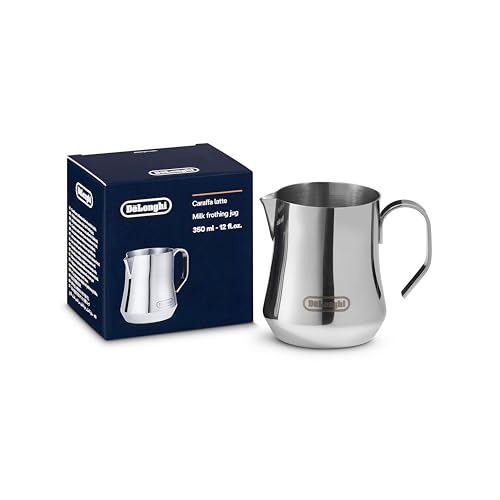
A stainless steel frothing pitcher helps you judge milk volume and temperature by eye, which makes repeated drinks more consistent.
A basic handheld frother is a practical choice if you want foam without a dedicated machine, and it works well for hot chocolate and cold foam.
A cleaning product made for milk systems keeps the frother free of dried milk, which protects both taste and performance.
FAQ
Can I use a milk frother without espresso?
Yes. A frother can make hot chocolate, chai, matcha lattes and cold foam for iced drinks without any espresso. Foam alone is also a simple way to top off a cup of drip coffee.
Does a milk frother heat the milk?
Many frothers heat as they foam, especially steam wands and electric frothers with a heating element. Handheld whisk models usually only aerate, so you may need to warm the milk first on the stove or in the microwave.
How long does frothed milk stay foamy?
Hot foam begins to collapse within a few minutes, so it is best used right away. Cold foam holds its texture longer, which is why it works well on iced drinks.
Conclusion
A milk frother adds foam and texture to coffee and other drinks, making it useful for lattes, cappuccinos, cold foam and hot chocolate. Choose the type that fits your drinks and your counter space, then practice your pouring and milk volume. With a few consistent habits, you can get reliable results at home.
Related reading
- Nespresso Milk Frother Red Light Blinking: What It Means and How to Fix It
- Nespresso Milk Frother Blinking Red: What It Means and How to Fix It
Ready to choose one?
About Claire Whitaker
Claire Whitaker is part of our editorial team and reviews and edits our coffee gear & accessories guides, checking product details against manufacturer specifications and owner feedback.