By Claire Whitaker
Updated November 2026
The best milk frother Wirecutter readers look for is the one that matches how you actually drink your coffee. This guide shows you how to compare frother types, check the features that affect foam quality, and narrow your choices to one or two models worth buying. You will finish with a short list of criteria you can apply to any review, including Wirecutter’s own testing notes.
Start With the Type of Frother You Need
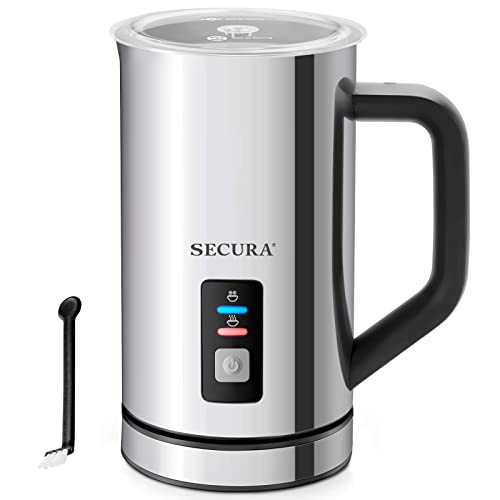
Milk frothers fall into three main groups, and each suits a different routine. Handheld frothers are small, inexpensive to replace, and work well for a single cup of cappuccino or a quick cold foam. Electric countertop frothers with a whisk or magnetic stirrer make thicker, more consistent foam for a few cups at a time. Steam wands on espresso machines give the most control and the silkiest microfoam, but they require practice and a machine that already has one.
Shopping for one? See our guide: 7 Best Milk Frothers and Steamers for Home Use (2026).
If you mostly make one or two drinks a day, a handheld model is usually enough. If you host or make several drinks at once, a countertop unit saves time. For a broader comparison of formats, see Electric vs Handheld: Which Is the Best Latte Milk Frother for You?.
Compare the Features That Affect Foam Quality
Once you know the format, check the details that change the result in your cup:
- Heating method. Heated frothers warm milk and froth it at once. Unheated models only aerate, so you need to warm the milk separately.
- Capacity. Manufacturers usually list a maximum milk volume. Stay below the fill line, because foam expands and can spill.
- Foam settings. Look for separate settings for hot foam, cold foam, and warm milk if you make more than one drink style.
- Whisk or disc design. Wire whisks create lighter foam, while disc-style stirrers tend to produce denser texture.
- Cleaning access. Detachable parts and dishwasher-safe components save time and reduce buildup.
Match the Frother to Your Milk and Drinks
Milk type changes how foam behaves. Whole dairy milk produces the most stable foam, while skim milk makes lighter, quicker-forming bubbles. Many oat and almond milks froth well when labeled for barista use, but standard versions can separate or foam poorly. Owners often report better results with a barista-style blend and a fresh container.
For cold foam, choose a model with a cold setting or buy a handheld frother designed for cold foam. For latte art, you will need silky microfoam, which usually means a steam wand or a heated frother that holds a steady temperature.
Recommended Gear
These tools support the frothing routine described above:
- Stainless steel frothing pitcher. A pitcher with a spout and a clear fill line makes pouring and measuring easier, and it helps you judge milk volume before you start. View on Amazon
- Instant-read thermometer. Most baristas aim for milk between about 150°F and 160°F for hot drinks. A thermometer takes the guesswork out of that target. View on Amazon
- Milk frother cleaning brush. A small brush reaches the whisk and the base where milk residue collects. View on Amazon
Common Mistakes to Avoid
- Filling past the maximum line, which causes overflow when the foam rises.
- Using milk straight from the fridge with an unheated frother and expecting hot foam.
- Letting milk sit in the frother after use, which makes cleaning harder and can leave odors.
- Judging a frother by one batch. Milk type and temperature change results, so test a few variations.
- Skipping a warm-up rinse. A quick rinse with warm water helps keep the whisk working smoothly.
For step-by-step technique on a common model, see Zulay Kitchen Handheld Milk Frother: How to Get Foam at Home. For a full comparison of options, browse Best Milk Frother Machine: How to Choose the Right One for Home Lattes.
FAQ
Is a handheld frother good enough for latte foam?
A handheld frother can produce good foam for a single latte, especially with whole milk. Results are less consistent than a steam wand, but the convenience suits many home users.
What temperature should frothed milk be?
Most home baristas aim for about 150°F to 160°F. Milk heated much higher can taste scorched and break down faster.
Can I use non-dairy milk in a milk frother?
Yes, many frothers work with oat and almond milk, but barista-style versions usually foam best. Check your frother’s manual for any milk type recommendations.
Conclusion
To find the best milk frother Wirecutter-style, start with the format that fits your routine, then compare heating, capacity, and cleaning features. Match the frother to the milk and drinks you make most often. With those criteria in hand, you can narrow a list of models quickly and buy with confidence.
Ready to choose one?
About Claire Whitaker
Claire Whitaker is part of our editorial team and reviews and edits our coffee gear & accessories guides, checking product details against manufacturer specifications and owner feedback.