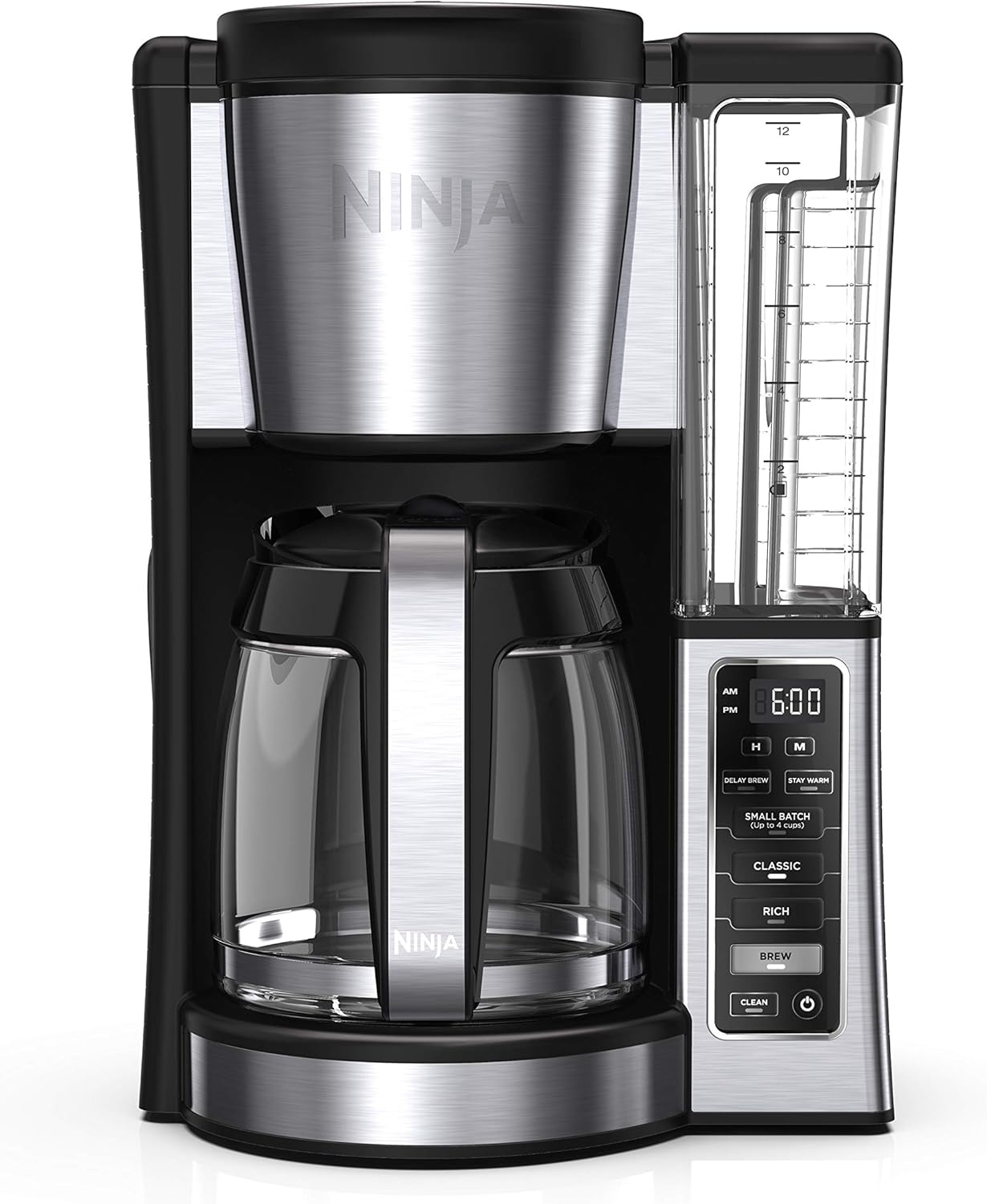
When your drip coffee maker stops brewing altogether or takes twice as long as it used to, the problem is almost always something you can fix at home. Mineral scale buildup, a clogged filter basket, or a simple setting error are the usual culprits. This guide walks you through the most common causes and the practical fixes that get your morning coffee back on track.
How a Drip Coffee Maker Works
A standard drip machine uses gravity and heat. Cold water from the reservoir flows into a heating element, which sends hot water up a tube and over the coffee grounds in the filter basket. The brewed coffee drips into the carafe below. Any disruption to this water path—scale in the tube, a blocked outlet, or a misaligned reservoir—can slow or stop the flow. Understanding this simple circuit helps you pinpoint where the problem lives.
Symptoms and Likely Causes
| Symptom | Most Likely Cause |
|---|---|
| Machine makes noise but no coffee comes out | Clogged water tube from mineral scale |
| Brews very slowly (drips instead of streams) | Scale buildup or too-fine coffee grounds |
| Brews a partial pot and stops | Reservoir not seated, lid not closed, or auto-shutoff timer engaged |
| Nothing happens when you press start | No power, faulty outlet, or timer not set correctly |
| Filter basket overflows | Grind too fine, filter folded, or too much coffee |
| Coffee tastes weak or bitter | Wrong coffee-to-water ratio, stale beans, or grinds too coarse/too fine |
| Coffee comes out lukewarm | Warming plate failure, cold carafe, or machine not preheated |
Step-by-Step Fixes
Machine Not Brewing at All
Start with the simplest checks before you take anything apart. Confirm the carafe is fully pushed in and the drip-stop mechanism (a small lever at the bottom of the basket) is engaged. Many machines have a safety feature that prevents brewing if the carafe lid or basket lid is not closed. Check the outlet by plugging in another appliance, and verify that the machine’s programmable timer, if it has one, is set to the current time and not inadvertently in a delayed-start mode. Programmable coffee makers often have a 24-hour clock that can cause confusion if the time is off.
If the machine still does not start, unplug it and let it cool completely. Remove the reservoir (if detachable) and rinse it out. Reattach it firmly. A gap between the reservoir and the machine can prevent water from reaching the heating element.
Brewing Slowly or Partially
Mineral scale inside the water tube is the most common reason for slow brewing. Hard water leaves calcium deposits that narrow the passage, reducing flow to a trickle. The fix is descaling. Check your manufacturer’s instructions for the recommended descaling solution and procedure. If you no longer have the manual, a widely accepted method is to fill the reservoir with a mixture of equal parts white vinegar and water. Run a full brewing cycle without coffee. Let the machine sit for about 30 minutes partway through the cycle (turn it off, let it cool, then restart). Run two or more cycles of fresh water afterward to rinse away any vinegar taste. Never use more than a 50/50 vinegar-to-water ratio, and follow your machine’s guidance if it specifies a commercial descaler instead. Always unplug the machine and let it cool before cleaning or touching internal parts.
Filter Basket Overflowing
Overflow usually means the water cannot drain through the grounds fast enough. Check that your coffee grind is appropriate for drip brewers: medium, like table salt. Finer grinds (espresso-range) will clog the filter, causing water to pool and spill over the rim. Also verify that the filter paper is properly opened into a cone shape and not folded or crumpled, and that you are using the correct size for the basket. If you are using a reusable filter, make sure it is not clogged with old coffee oils. The amount of coffee matters too—level scoops, not heaping ones, and stay within the basket’s fill line if it has one. Overfilling the basket forces water to sit on top of the grounds instead of passing through.
Weak or Bitter Coffee
Taste problems are almost always fixable without opening the machine. Weak coffee means too little coffee relative to water. A common starting point is one to two tablespoons of ground coffee for every six ounces of water, but you can adjust to taste. Bitter or harsh coffee often comes from water that is too hot (most drip brewers heat to a consistent temperature, so this is less likely) or from over-extraction due to a grind that is too fine. Old, stale beans also produce flat, bitter flavors. Buy whole beans in small quantities and grind them just before brewing. Coffee makers that feature adjustable brew strength settings can help you fine-tune without changing your dose.
Coffee Not Hot Enough
If the coffee that comes out is lukewarm, the heating element or warming plate may be failing. First, preheat your carafe by rinsing it with hot water before brewing. A cold glass or thermal carafe will drop the brew temperature significantly. If that does not help, check that the warming plate is clean—burnt-on drips can reduce heat transfer. For machines with a thermal carafe, the brew temperature issue may be related to scale in the internal water path (see descaling above, as described in the thermal carafe coffee maker guide). If the warming plate does not get hot at all even after cleaning, the heating element may need replacement, which is often more expensive than a new machine.
When to Call a Professional or Replace the Machine
After descaling, checking the power supply, and adjusting your grind and ratio, a drip coffee maker that still refuses to brew likely has a failed heating element, a broken thermostat, or a blocked internal tube or valve. These repairs are rarely cost-effective for a standard home machine. Unplug the unit, contact the manufacturer if it is still under warranty, or consider replacing it. Most drip brewers have a useful life of several years with regular care, but once the internal water path is blocked or a critical component fails, replacement is the practical step.
One indicator that it is time to replace: if the machine leaks water from the base during brewing, internal seals have degraded and the risk of electrical hazard increases. Stop using it immediately and unplug it. Never submerge the base of a drip coffee maker in water. Clean only the removable parts (carafe, reservoir, filter basket) by hand or in the dishwasher if the manufacturer allows.
Prevention
The best fix is prevention. Descale your drip coffee maker every few months, more often if your tap water is hard. Use filtered water to reduce mineral buildup and improve taste. Rinse the carafe and filter basket after each use. Wash removable parts with mild soap weekly. Wipe the warming plate and base exterior with a damp cloth only after the machine is unplugged and completely cool. Never pour water directly onto the base. If you use a reusable filter or refillable pod, clean it thoroughly after each use to prevent oil buildup. For more on reusable options, see the guide on how to use reusable coffee pods.
Keep the lid of the water reservoir open after use to let it dry out, reducing mold growth. Follow the cleaning schedule in your owner’s manual; if you have lost it, most manufacturers post PDFs online.
FAQ
Why is my coffee maker making noise but not brewing water?
This usually indicates that the heating element is working but mineral scale has blocked the water tube. The machine tries to push water through, but the passage is too narrow. Descaling with vinegar or a commercial descaler should clear the blockage. If the noise persists after descaling, the heating element or a valve may be failing.
Can I use distilled vinegar to descale my drip coffee maker?
White distilled vinegar is a common household descaler. Mix equal parts vinegar and water, run a brew cycle, and rinse thoroughly with fresh water. Some manufacturers recommend against vinegar and suggest a commercial descaler. Check your manual to be sure, especially if your machine has special coatings or seals. If you use vinegar, run at least two full rinse cycles to remove any residual taste.
How often should I clean my drip coffee maker?
Rinse removable parts after every use. Wash the carafe, basket, and reservoir with mild soap weekly. Descale every few months, or more often if you notice slower brewing or mineral flakes in your coffee. If you have very hard water, monthly descaling may be needed. Always follow your machine’s specific recommendations.
Is it safe to keep using a coffee maker that leaks water?
No. Leaks from the base indicate damaged seals or cracks. Water near electrical components creates a shock or fire hazard. Unplug the machine immediately and stop using it. If it is under warranty, contact the manufacturer. Otherwise, replace the unit.
Most drip coffee maker problems have simple, cheap fixes. Start with the water path: descale thoroughly, check the grind and dose, and make sure everything is seated and closed. That approach resolves the majority of slow or stalled brewers. When a machine cannot be revived, recycling it and choosing a new one that matches your brew style is the safe, practical next step.