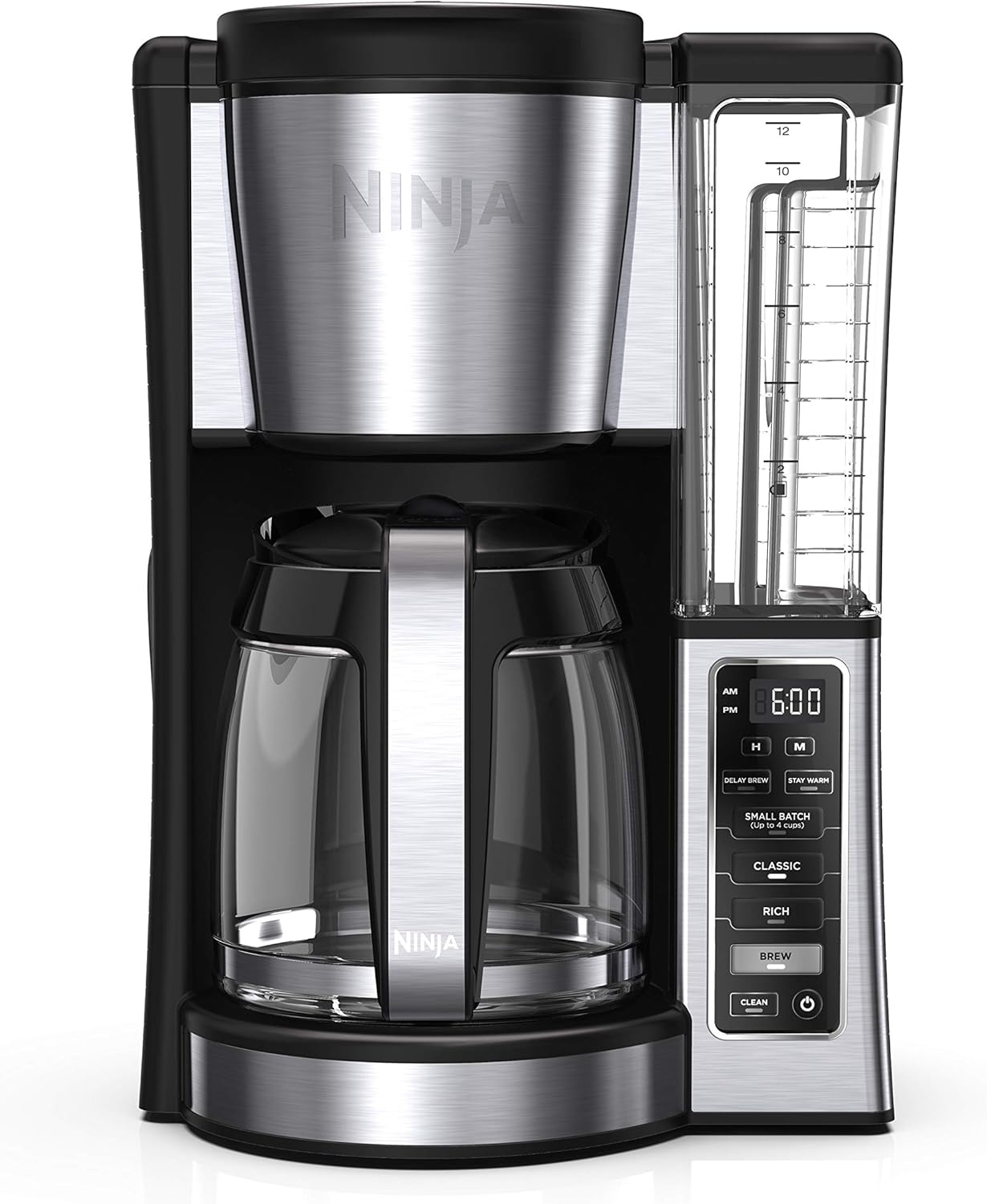
If you want coffee that stays hot for hours without developing a scorched, bitter flavor, a thermal carafe coffee maker is the answer. Instead of relying on a hot plate that continues to heat the carafe, these machines brew directly into a double-wall vacuum-insulated container that keeps the coffee at serving temperature naturally. This means no burnt taste, no wasted energy, and the freedom to pour a fresh cup long after brewing ends. In this guide, you will learn how thermal carafes work, how to get the best performance from them, and how to keep them clean and functioning well.
What Is a Thermal Carafe Coffee Maker?
A thermal carafe coffee maker is a drip coffee machine that uses an insulated carafe instead of a glass pot on a warming plate. The carafe has two walls with a vacuum between them, much like a high-quality travel mug. This vacuum layer dramatically slows heat transfer, so the coffee inside stays hot for hours without any external heat source. Because there is no hot plate, the coffee never continues to cook after brewing, eliminating the burnt, stale taste that develops in traditional glass carafes left on a warmer.
These machines are ideal for anyone who drinks coffee over a longer period, such as during a morning routine or when hosting guests. They are also a good choice if you dislike the harsh flavor that comes from reheating coffee or leaving it on a hot plate. Thermal carafe models typically brew a full pot directly into the carafe, and the carafe itself becomes the serving vessel.
How Thermal Carafes Keep Coffee Hot Without a Hot Plate
The key to a thermal carafe’s performance is its double-wall vacuum insulation. The inner and outer walls are separated by a vacuum that prevents heat from escaping through conduction or convection. However, you can maximize this insulation by following a few simple practices.
Preheat the Carafe
A cold carafe will steal heat from the first coffee that hits it. To prevent this, preheat the carafe by filling it with hot tap water for a minute or two just before brewing. Pour out the water right before the coffee starts flowing into the carafe. This simple step raises the carafe’s internal temperature so that the coffee loses very little heat on contact. The result is a noticeably hotter initial cup.
Fill the Carafe Fully
Thermal carafes work best when they are nearly full. A small amount of coffee in a large carafe holds less heat and cools faster, and the empty space above it adds to the heat loss each time you open the lid. If you only want a few cups, consider brewing a smaller batch in a different machine or using a smaller thermal carafe. Many thermal carafe models have a minimum fill line; try to brew at least that amount. The fuller the carafe, the longer the coffee stays hot.
Understand the Lid Design
The lid of a thermal carafe is not just a cover; it is a critical part of the insulation system. Most lids have a valve or seal that must be set correctly for brewing and pouring. When brewing, the lid is usually in a “brew” or “open” position that allows coffee to flow into the carafe while letting air escape. After brewing, you switch the lid to a “pour” or “closed” position that seals the carafe for maximum heat retention. Some lids also have a separate vent that must be aligned. Always read the manufacturer’s instructions for your specific model so you set the lid correctly. A lid left in the brew position will let heat escape rapidly.
Pour Slowly
When you pour coffee from a thermal carafe, do it slowly and steadily. A fast, aggressive pour can make coffee splatter or run down the outside of the carafe. If your carafe drips after pouring, check the lid seal and make sure it is fully closed before tilting.
Brew Directly Into the Carafe
Thermal carafe coffee makers are designed to brew directly into the carafe. Do not brew into a separate container and then transfer the coffee; that would waste heat and defeat the purpose. Make sure the carafe is properly positioned under the brew basket and that the lid valve is set to the brew position. After brewing, switch the lid to the sealed position. Some machines have a pause-and-serve feature that lets you pour a cup mid-brew, but the carafe must be replaced quickly to avoid overflow and heat loss.
Thermal Carafe vs Glass Carafe: Key Differences
Choosing between a thermal carafe and a traditional glass carafe with a hot plate comes down to your priorities. The table below summarizes the main differences.
| Feature | Thermal Carafe | Glass Carafe with Hot Plate |
|---|---|---|
| Heat source | None (insulation only) | Hot plate keeps carafe warm |
| Flavor over time | No burnt taste; coffee stays fresh for hours | Coffee can become scorched and bitter after 30-60 minutes on the hot plate |
| Temperature retention | Stays hot for several hours without power | Stays hot only as long as the hot plate is on; cools quickly if turned off |
| Energy use | None after brewing | Hot plate uses electricity while it is on |
| Durability | Stainless steel or metal exterior is resistant to breakage | Glass carafe is fragile and can shatter if dropped or thermal shocked |
| Cleaning | Requires hand washing or bottle brush; dishwasher only if labeled safe | Glass carafe is usually dishwasher-safe and easy to see residues |
| Pouring | Heavier; may drip if lid seal is worn | Lighter; pour spout is often drip-free |
| Cost | Typically higher initial price | Generally lower initial price |
If you value fresh-tasting coffee over several hours and do not want to worry about breaking a glass pot, a thermal carafe is the better choice. If you prefer a lighter carafe and usually drink your coffee within the first hour, a glass carafe with a hot plate may suit you fine, provided you turn off the hot plate after brewing to avoid burnt flavor.
Cleaning and Caring for Your Thermal Carafe
Proper cleaning is essential to keep your thermal carafe performing well and your coffee tasting clean. Coffee oils and mineral deposits can build up inside, affecting flavor and insulation. Follow these guidelines.
Check Dishwasher Safety
Not all thermal carafes are dishwasher-safe. The high heat and harsh detergents can damage the vacuum seal or the exterior finish. Always check the manufacturer’s instructions. If the carafe is labeled dishwasher-safe, place it on the top rack away from heating elements. If not, hand wash only.
Hand Washing With a Bottle Brush
For hand washing, use warm soapy water and a long-handled bottle brush to reach the bottom and sides of the carafe. Avoid abrasive sponges or scouring pads that can scratch the interior. Rinse thoroughly with clean water. For the lid, use a small brush or a pipe cleaner to clean the valve and seal area, where coffee residue often collects. Dry the carafe with the lid off to allow air circulation.
Removing Coffee Oil Stains
Over time, coffee oils can leave a brown film inside the carafe. To remove these stains without harsh chemicals, use a mixture of warm water and a safe cleaner such as baking soda or a dedicated coffee equipment cleaner. Fill the carafe with the solution, let it soak for 15-20 minutes, then scrub with a bottle brush. Rinse very well. Do not use bleach or chlorine-based cleaners, as they can leave odors and residues. For stubborn mineral scale, a descaling solution designed for coffee machines can be used, but follow the manufacturer’s instructions for your carafe.
Inspect the Lid Seal
The rubber or silicone seal in the lid can wear out over time, causing drips and reduced insulation. Check it periodically for cracks or deformation. If the seal is removable, clean it separately. If it is damaged, contact the manufacturer for a replacement part. A good seal is essential for both heat retention and drip-free pouring.
How Long Does Coffee Stay Hot in a Thermal Carafe?
There is no single answer because it depends on the carafe’s quality, how full it is, whether you preheated it, and the ambient room temperature. As a general expectation, a well-insulated thermal carafe that is preheated and filled to capacity will keep coffee hot enough to enjoy for several hours. The coffee cools gradually rather than all at once, so expect the first cups to be the hottest. If you preheat the carafe and keep the lid sealed, you can extend that time. The coffee will not be piping hot after many hours, but it will be much warmer than if left in a glass carafe without a hot plate. For the hottest possible cup, pour your coffee into a preheated mug shortly after brewing.
FAQ
Can I use a thermal carafe on a hot plate?
No. Thermal carafes are not designed to be placed on a hot plate. The vacuum insulation prevents heat from entering the carafe, so the hot plate would not warm the coffee. Moreover, the exterior of a thermal carafe can get hot if left on a hot plate, potentially damaging the carafe or the machine. Always use the carafe as intended: brew into it and serve from it without additional heat.
Why does my thermal carafe drip when I pour?
Dripping is usually caused by a worn or misaligned lid seal, or by pouring too quickly. Check that the lid is fully closed and the seal is clean. If the seal is damaged, replace it. Pour slowly and steadily so coffee does not run around the lid. Some carafes have a drip-free spout design; if yours continues to drip, consult the manufacturer.
Can I put milk or creamer directly into the thermal carafe?
It is not recommended. Adding milk or creamer to the carafe will lower the temperature of the entire batch and can promote bacterial growth if the carafe is not kept hot enough. Instead, pour your coffee into a mug and add dairy or non-dairy products there. If you must add milk to the carafe, consume the coffee within a short time and clean the carafe immediately afterward.
How do I know if my thermal carafe is still insulating well?
If your coffee cools much faster than it used to, the vacuum seal may be compromised. A common sign is that the exterior of the carafe feels warm to the touch when it contains hot coffee. A properly insulated carafe should feel cool or only slightly warm on the outside. If the carafe has been dropped or damaged, the vacuum may be lost. In that case, replacement is usually necessary, as the insulation cannot be repaired.
Thermal carafe coffee makers offer a simple upgrade for anyone who wants better-tasting coffee that stays hot without a hot plate. By understanding how the insulation works, preheating the carafe, filling it properly, and keeping the lid sealed, you can enjoy fresh, hot coffee for hours. Regular cleaning and care will keep your carafe performing well for years. Whether you are replacing an old machine or choosing your first thermal carafe model, this design is a practical choice for home coffee drinkers who value flavor and convenience.