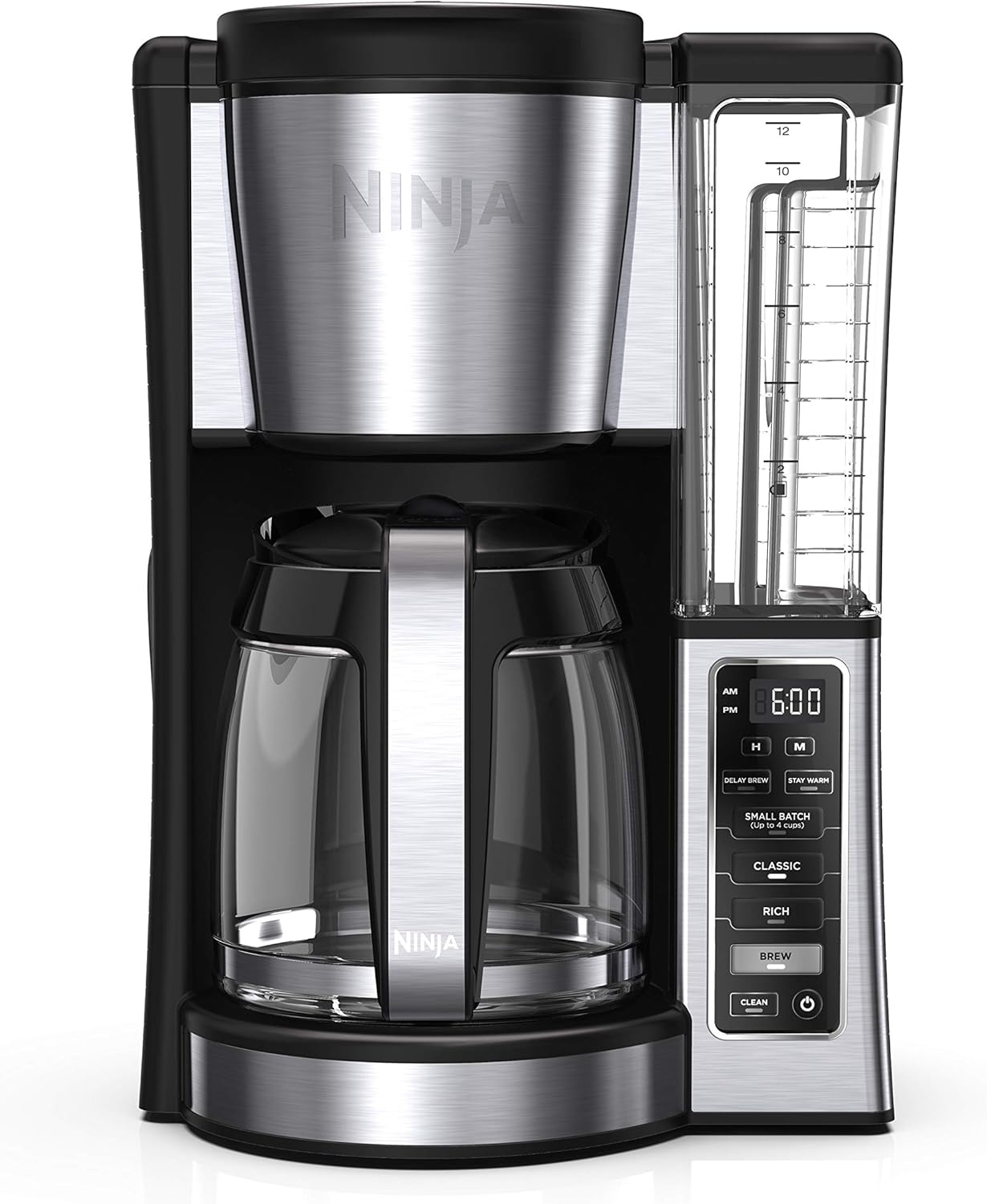
When your coffee maker needs a new carafe, you want to use a reusable filter instead of paper, or you notice off flavors from mineral buildup, the right accessories can solve the problem quickly. This guide covers the accessories that actually matter: replacement carafes and lids, reusable mesh or gold-tone filters, charcoal water filter pods, scoops, descaling solution, and cleaning tools. You will also learn how to check compatibility and avoid common mismatches.
Carafes and Lids: Matching Your Model
The most common accessory you may need is a replacement carafe or lid. Carafes come in two main types: glass and thermal (double-walled stainless steel). A glass carafe sits on a warming plate; a thermal carafe keeps coffee hot without heat. Neither type is universal. Each coffee maker model has a unique carafe shape, handle design, and lid mechanism. If you buy a carafe that looks similar but isn’t the exact match, it may not sit level on the warming plate or seal properly with the brew basket.
To find the right match, locate the model number of your coffee maker (usually on a sticker on the base or underside). Then search for replacement parts using that model number. Some manufacturers offer direct-fit carafes, while third-party options exist but may have slight differences in fit. Always check return policies. For thermal carafes, the lid assembly often contains a spring-loaded plunger that must align with the brew basket’s drip stop. A mismatched lid can cause leaking or mess.
If you already own a thermal carafe coffee maker, you can read more about how these machines work and what to look for in a replacement on our thermal carafe coffee maker guide.
Reusable Filters: Mesh, Gold-Tone, and Paper
Types of Reusable Filters
Reusable filters are typically made of fine stainless steel mesh or a gold-toned metal (often stainless steel with a gold-plated coating). They eliminate the need to buy paper filters and reduce waste. They come in two shapes: basket-style (for basket filter holders) and cone-style (for cone-shaped holders).
Basket-style reusable filters are flat-bottomed with a round or oval shape. They fit most automatic drip coffee makers that use a standard size 8–12 cup basket. The diameter and depth vary; measure the inside of your filter basket to be sure.
Cone-style reusable filters are shaped like a pointed funnel. They are available in common sizes: #2 (smaller cone brewers and many single-cup pour-over cones), #4 (most 8 to 12 cup cone-style drip machines) and #6 (larger pour-over cones). Check your coffee maker’s manual to see which cone size it accepts. Many cone brewers that come with a paper cone filter holder can also accept a reusable cone filter of the same size.
Gold-tone filters are a type of mesh filter with a very fine weave. The gold plating is cosmetic; performance depends on the mesh density. Both mesh and gold-tone filters allow coffee oils to pass through, giving a fuller-bodied cup compared to paper. However, they also let fine coffee particles (fines) through, which can make the coffee slightly cloudy or bitter if the grind is too fine.
Reusable vs. Paper: Which One Should You Use?
| Filter Type | Pros | Cons |
|---|---|---|
| Paper (disposable) | Clean cup, no fines, absorbs oils; easy cleanup | Ongoing cost, waste; may trap desirable oils |
| Reusable mesh/gold-tone | Zero waste, saves money long term, lets oils through for richer flavor | Can let fines through; requires thorough cleaning; may need paper backup for very fine grinds |
If you prefer a clean, bright cup with minimal sediment, stick with paper. If you like a heavier mouthfeel and don’t mind rinsing the filter, try reusable.
How to Check Filter Compatibility
For basket filters, measure the interior width and depth of the holder. For cone filters, check the manufacturer’s recommended cone size or look for the size printed on the paper filters you already use. If in doubt, buy a reusable filter that matches your machine’s brand and model—many brands sell their own.
Some coffee makers specifically instruct you to use paper filters only; using a reusable mesh filter may cause overflow or grounds in the pot. Always check the machine manual first. For more on coffee makers in general, see our coffee makers guide.
Water Filter Pods and Charcoal Filters
Many drip coffee makers include a water reservoir with a slot or holder for a charcoal water filter. These small cylindrical pods contain activated carbon that removes chlorine, bad tastes, and some impurities from the tap water. Using one can improve the flavor of your coffee, especially if your tap water has a strong chlorinated taste. However, a water filter does not remove hardness minerals or scale buildup—you still need to descale.
How often to change the water filter: The typical recommendation is every two to three months, but you should follow your manufacturer’s instructions exactly. Some machines have a filter replacement indicator light. If you notice a change in taste or odor, replace the filter sooner. Never reuse a charcoal filter; after it is saturated, it can stop working and may even release trapped contaminants.
To install, soak the filter in fresh water for the time specified in the manual (usually a few minutes), rinse it, then place it into the holder. Over time, the filter may become clogged with sediment; replace it promptly to keep water flowing freely.
Other Useful Accessories
Scoops and Measuring
A standard coffee scoop holds about two tablespoons of ground coffee, but scoop sizes can vary. For consistency, use a scale to measure coffee by weight (a common ratio is about 1 to 2 tablespoons of coffee per 6 ounces of water, but weight is more reliable). A dedicated scoop with a narrow shape can help you reach into a bag without spilling.
Descaling Solution
Mineral scale from hard water builds up inside your coffee maker over time, affecting heating and flavor. Using a descaling solution (or white vinegar as a cheap alternative, though vinegar may leave an odor) every few months is essential. Follow the machine’s descaling instructions; many have a dedicated cycle. Clean a thermal carafe with mild soap and water unless its manufacturer approves a descaler for it.
Carafe Brushes
Glass carafes often develop coffee stains and oil buildup inside, especially near the neck and spout. A long-handled bottle brush with soft bristles makes cleaning easier. For thermal carafes, a brush with a curved tip can reach the bottom and the inside of the lid. Some brushes are specifically designed for coffee carafes; any narrow bottle brush will work.
What to Skip
Some accessories are unnecessary. Branded cleaning tablets often use similar active ingredients to generic descalers, so check your manual to see which products are allowed before paying extra. Single-use cleaning solutions in packets are wasteful; a bottle of descaler lasts many cycles. Also skip “universal” carafe lids that claim to fit multiple brands; they rarely seal correctly and often leak. Stick with model-specific parts.
Reference Table: Filter Compatibility
| Filter Type | Typical Size Indicators | Fits Which Basket/Cone | Notes |
|---|---|---|---|
| Basket (flat-bottom) | Dimensions vary by brand; measure width and depth | Most standard 8–12 cup drip coffee makers with removable basket | Measure the basket opening; depth matters for overflow |
| Cone #2 | Smaller cone | Smaller cone brewers and many single-cup pour-over cones | Less common; check manual |
| Cone #4 | Medium cone | Most standard cone brewers (8–12 cup) | Most common cone size |
| Cone #6 | Larger cone | Larger pour-over cones | Check if your machine uses this |
| Reusable mesh/gold-tone | Available in basket, #4, and #2 shapes | Same as paper shapes above | May require slightly coarser grind to avoid fines |
Common Mismatches and How to Avoid Them
- Wrong carafe shape: A carafe from an older version of the same model line may look the same but have a different handle or spout position. Always match the exact model number.
- Using a cone filter in a flat basket: A cone filter will not sit flat; coffee grounds will spill over the sides and clog the brew basket. Use only the shape your machine is designed for.
- Wrong cone size: A #4 filter is too tall for a #2 brewer, causing overflow. A #2 filter in a #4 holder may collapse. Check the paper filter you currently use for size markings.
- Water filter that doesn’t fit the reservoir: Some coffee makers use a small round pod, others a rectangular cartridge. Measure the slot or look up the replacement part number. Third-party filters often list compatibility.
- Using a metal reusable filter in a machine that requires paper: Some brew baskets have a very fine mesh that is designed to work with paper; adding a metal filter on top can restrict flow and cause overflow. Refer to your manual.
When in doubt, take a photo of your existing parts, measure key dimensions, and compare them to the product description. Many online retailers list the model numbers that a part fits.
FAQ
Can I use a universal carafe?
Universal carafes claim to fit multiple models, but they rarely provide a perfect seal. The brew basket may not drip properly, or the carafe may wobble on the warming plate. It is safer to buy a carafe made specifically for your machine model.
How often should I replace the charcoal water filter?
Manufacturers typically recommend every two to three months. If you notice a chlorine taste or the water flow slows, replace it sooner. Always follow your machine’s manual for exact timing.
Are gold-tone filters better than paper?
“Better” depends on your taste preference. Gold-tone/mesh filters allow more coffee oils into the cup, giving a richer body and more complexity. Paper filters produce a brighter, cleaner cup with no sediment. If you want the best of both, some people use a paper filter inside a reusable mesh filter (though this adds cost and waste).
Why does my machine say to use paper filters even with a reusable one?
Some coffee makers have a design that relies on the paper’s flow restriction. Using a metal filter may cause over-extraction or a messy brew. If the manual warns against reusable filters, do not ignore it—you risk damaging the machine or causing a safety hazard from overflowing water.
Choosing the right coffee maker accessories saves you time and money while improving your brew. Start by checking your machine’s model number, measuring the parts, and following manufacturer recommendations. For more accessory ideas, browse our coffee maker accessories overview. With the right carafe, filter, and cleaning tools, your everyday coffee will taste consistently better.