Keeping coffee hot usually means protecting it from two problems: heat that is too aggressive and time that lets it stale. The solution is to use a container that insulates rather than cooks, and to brew only what you will drink. This article explains why hot plates cause burnt coffee, how to preheat thermal carafes and insulated servers, when to brew smaller batches, and the best way to reheat a cup that has already gone lukewarm.
Why Hot Plates Make Coffee Taste Burnt
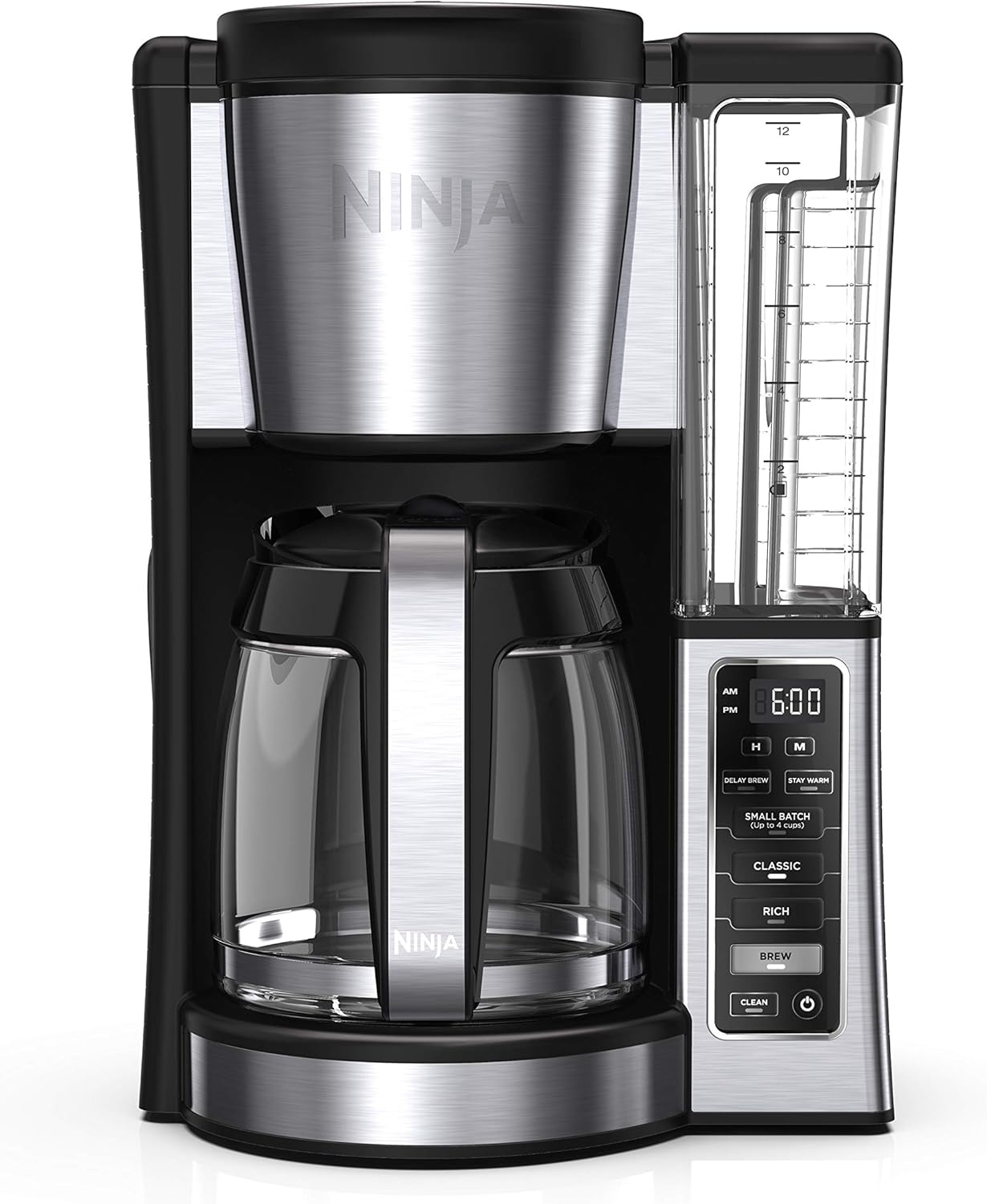
Hot plates on traditional coffee makers sit beneath a glass carafe and keep the coffee warm by applying steady bottom heat. They keep heating the brewed coffee for as long as the carafe sits there. Over time, those conditions trigger chemical changes: delicate aromatic compounds evaporate, sugars darken, and the coffee develops a dry, bitter, burned flavor.
The problem is not just flavor. Leaving coffee on a hot plate for a while also accelerates the breakdown of the oils that give coffee its body and sweetness. The result is a cup that smells flat and tastes harsh, even if the original brew was excellent. If you want coffee to stay hot without developing that scorched taste, the simplest change is to remove it from the heat source after brewing.
Use Thermal Carafes and Insulated Servers
Thermal carafes are vacuum-insulated carafes designed for brewed coffee. They keep coffee hot by trapping heat inside a double wall with a vacuum between the layers. No electricity is involved, and the coffee remains at a stable temperature instead of being cycled through a heating element. Coffee makers that include a thermal carafe instead of a glass one prevent burnt flavors automatically. If you are shopping for a new machine, look at the different thermal carafe coffee makers and compare how they handle temperature after brewing.
Insulated servers work on the same principle. Many pour-over brewers and French presses have companion servers that are double-walled and vacuum-sealed. You can also pour brewed coffee from a regular carafe into a portable insulated server for travel. The key is to match the size of the server to the amount of coffee you actually drink, because a large server with a small amount of coffee loses heat faster than a full one.
| Container | How It Keeps Coffee Hot | Effect on Flavor | Best For |
|---|---|---|---|
| Hot plate with glass carafe | Applies bottom heat to the carafe | Can create a burnt, bitter taste over time | Best avoided for long serving |
| Thermal carafe | Vacuum insulation traps heat with no electricity | Preserves aroma and prevents scorching | Drip coffee makers with carafes and large batches |
| Insulated server | Double-walled or vacuum-sealed walls hold heat | Keeps flavor clean while pouring | Pour-over, French press, or travel |
Preheat the Carafe or Server for Better Results
A thermal carafe can only keep coffee hot if it starts hot. If you fill a room-temperature carafe with freshly brewed coffee, the cold walls absorb heat from the liquid. That initial temperature drop can be significant, and it shortens the time your coffee stays at a drinkable temperature. Preheating fixes this.
How to Preheat a Thermal Carafe
- Fill the carafe with hot water from a kettle or the hot water tap just before brewing. Do not use boiling water in a carafe that cannot handle it; check the manufacturer’s instructions.
- Swirl the water so it contacts the sides and the lid.
- Let it sit for a short time, then empty the water completely before adding coffee.
- For an even better result, preheat your mug too. A cold mug will cool the first pour quickly.
Some coffee makers have a preheat setting for their thermal carafe. If yours does, use it. The same preheating habit applies to insulated servers for pour-over or French press, especially when the room is cold.
Brew Smaller Batches for Fresher, Hotter Coffee
The easiest way to keep coffee hot without burning it is to have less coffee waiting. A full hot plate carafe sits for a long time and slowly becomes bitter. In contrast, a small batch brewed only shortly before you drink it is always fresh and still hot. If you usually drink a couple of cups at a time, brew just that amount.
For single-serve brewers, portion control is built in. For drip coffee makers, choose a model that can brew a partial carafe, or brew into a thermal carafe and pour only what you need. Manual brewers like pour-over and French press are ideal for this because you can brew exactly the amount you want. If you are frequently the only coffee drinker at home, take a look at the options for brewing coffee for one person so you do not feel tempted to brew a full pot that will sit too long.
Reheat Coffee Gently Without Cooking It
Even with careful planning, a cup can go cold before you finish it. Reheating is possible, but the goal is to warm the coffee without applying enough heat to trigger the same burnt flavors that a hot plate creates. Gentle reheating preserves more of the original character.
Microwave Reheating
- Pour the cold coffee into a microwave-safe mug.
- Heat in short bursts at a lower power level, not at full power.
- Stir between bursts so the heat distributes evenly and the coffee does not scald in one spot.
- Stop as soon as it is hot to the touch. Overheating will make it taste bitter again.
Reheating on the Stove
- Pour the coffee into a small saucepan.
- Use low heat and stir gently.
- Remove the pan just before it reaches a comfortable drinking temperature.
- Do not let the coffee simmer or boil. Boiling coffee drives off its remaining aromatics and makes it taste dull and scorched.
Add Hot Water or Steamed Milk
For black coffee, a splash of hot water is the least invasive reheating method. It will slightly dilute the coffee, so brew it a little stronger if you plan to do this. For milk-based drinks, steamed milk can bring a lukewarm drink back to serving temperature, but adding too much changes the balance.
Avoid Leaving Coffee on Heat
The strongest version of the advice is this: coffee should not sit on a heat source after brewing. That includes hot plates, warmers, or a function on a coffee maker that keeps a glass carafe warm. If the machine uses a glass carafe on a hot plate, the heat will start cooking the coffee almost immediately. A thermal carafe does not need a warmer at all; its insulation does the job.
If you need coffee available over a long morning, one practical approach is to brew a full carafe, immediately pour it into a preheated thermal carafe, and then pour single servings into your mug. That way the coffee stays hot without any external heat. Another approach is to brew two smaller batches instead of one large one. The second batch takes only a few minutes and gives you a fresh, hot pot while the first one is still being enjoyed. When choosing a new appliance, consider how the coffee makers you like handle temperature after the brew cycle ends.
Care and Cleaning of Thermal Carafes and Servers
A clean thermal carafe makes a difference not only in flavor but in how long it holds heat. Coffee oils build up inside the carafe and can turn rancid, leaving a stale taste that no amount of preheating will fix. Proper care is simple.
- Rinse the carafe immediately after use with hot water to remove most residue.
- Wash the lid and any removable parts by hand with mild soap. Do not put vacuum-insulated carafes in a dishwasher unless the manufacturer says it is safe.
- For stubborn stains or coffee film, fill the carafe with warm water and a small amount of white vinegar or a commercial cleaning solution. Let it soak, then rinse thoroughly. Follow the manufacturer’s instructions for cleaning.
- Never use abrasive scrubbers that can scratch the interior surface. Scratches hold stains and bacteria.
The exterior of a thermal carafe can be wiped clean with a damp cloth. Avoid submerging the whole carafe unless the manufacturer allows it; some carafes have bases and seams that are not meant to be soaked.
If a thermal carafe stops keeping coffee hot well, the seal is often the culprit. Check that the lid closes tightly and that there are no cracks or worn gaskets. If the carafe becomes damaged, replace it following the manufacturer’s guidance. Keeping the lid clean is also important because coffee residue can prevent an airtight seal.
FAQ
Does a hot plate ruin coffee even if I drink it quickly?
It only causes noticeable damage when coffee sits for a while, but the hot plate starts the process immediately. Even a short stay on the heating element raises the temperature of the coffee and speeds up the loss of volatile aromas. If you plan to finish the pot quickly, the effect may be small. For longer servings, remove the carafe from the hot plate after brewing.
How long can coffee stay hot in a thermal carafe?
That depends on the insulation quality, the size of the carafe, how full it is, and how often you open the lid. A well-insulated, preheated carafe that is nearly full can keep coffee hot for a good portion of the morning. Do not rely on a specific hour count; instead, test the temperature yourself after some time and adjust by preheating longer or pouring into a smaller insulated container.
Is it better to brew a full pot and keep it in a thermal carafe, or brew smaller batches?
Smaller batches are almost always better for flavor because your coffee spends less time waiting. Brewing a full pot into a thermal carafe is convenient when you have guests or a busy morning. For daily drinking, a smaller batch that you drink soon after brewing will taste brighter and more aromatic.
Can I put my thermal carafe in the microwave to heat the coffee inside?
No. The vacuum insulation and the metal liner are not microwave-safe, and the carafe can be damaged. Pour the cold coffee into a microwave-safe mug or saucepan and use the gentle reheating methods described above.
Keeping coffee hot without burning it is mostly about choosing the right vessel and changing when you brew. Use a preheated thermal carafe or insulated server, brew small batches, and reheat gently if you have to. You will get coffee that tastes fresh and full, not scorched and bitter.