Brewing a single cup of coffee can feel like a challenge when most equipment is designed for a full pot. A standard drip machine can make a single cup, but it often brews unevenly or leaves a half-full carafe to go stale. This guide focuses specifically on methods optimized for the solo coffee drinker. You will learn how pour-over, French press, single-serve pod machines, small drip coffee makers, moka pots, and manual espresso options compare in terms of taste, waste, cleanup, counter space, and overall cost of use.
The Short Answer
If you want the purest flavor and enjoy a hands-on ritual, a pour-over is hard to beat. For a rich, full-bodied cup with easy cleanup, a small French press is a classic choice. Single-serve pod machines offer unmatched speed and convenience but generate more waste. A moka pot delivers strong, concentrated coffee using only a stovetop, while a small drip maker provides a familiar, set-it-and-forget-it brew. Manual espresso is for those who want true espresso shots at home and are willing to invest the effort to master the technique.
How Each Option Works
Pour-Over
A pour-over setup consists of a cone-shaped dripper that sits directly on your mug. You place a paper filter inside, rinse it with hot water to remove any paper taste and warm the cone, then add your ground coffee. You slowly pour hot water in a spiral motion, starting from the center and working your way out. The water saturates the grounds, extracts the coffee, and drips through the filter into your cup. The entire process takes about three to four minutes. Cleanup is simple: you lift the filter with the spent grounds and toss it in the trash or compost, then give the cone a quick rinse.
French Press
A French press is a cylindrical carafe with a plunger and a mesh filter. You add coarsely ground coffee to the bottom of the carafe, pour in hot water off the boil, and give it a stir. You place the plunger and lid on top and let the coffee steep for several minutes. Then you slowly press the plunger down, which forces the grounds to the bottom of the carafe. The result is a full-bodied cup with fine sediment. Cleanup involves removing the plunger, scooping out the grounds, and washing the carafe and plunger assembly.
Single-Serve Pod Machines
Single-serve machines use pre-packaged pods or capsules. You simply lift the handle, insert the pod, close it, and press a button. The machine punctures the pod and forces hot water through it. The entire process takes less than a minute. Cleanup is as simple as lifting the handle, ejecting the used pod into the trash, and occasionally wiping down the drip tray. Many machines are compatible with reusable pods, allowing you to use your own coffee.
Small Drip Makers
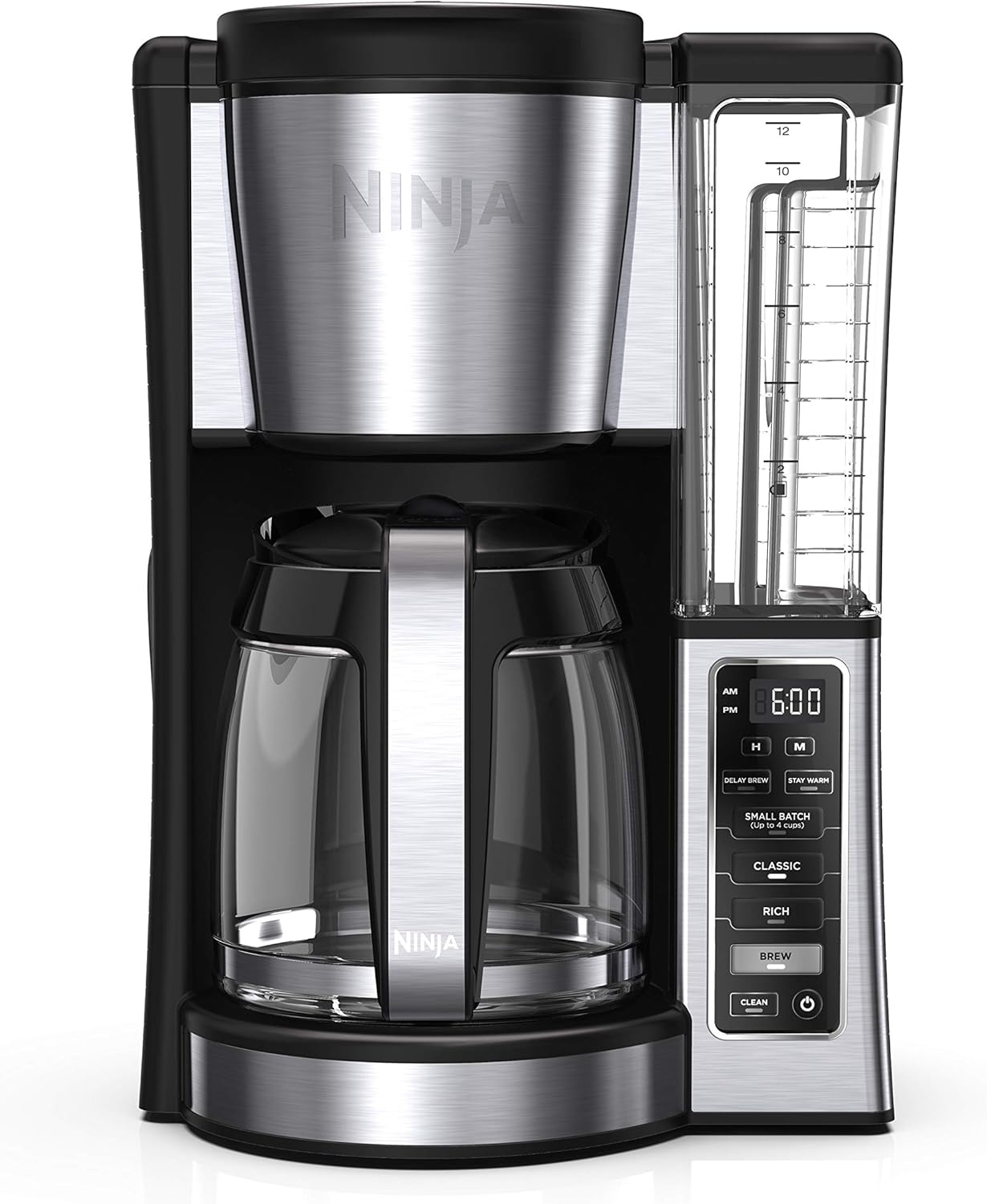
A small drip coffee maker works just like a full-size model but has a smaller water reservoir and a carafe designed for one to four cups. You add a paper filter, ground coffee, and water, then press start. The machine heats the water and drips it over the grounds. Some models offer a pause-and-serve feature so you can pour a cup before the cycle finishes. Cleanup involves discarding the used filter and grounds and washing the carafe.
Moka Pot
A moka pot is a stovetop brewer made of aluminum or stainless steel. It has three chambers: a bottom chamber for water, a middle basket for finely ground coffee, and a top chamber for the brewed coffee. You fill the bottom chamber to just below the safety valve, insert the basket, screw on the top chamber, and place it on the stove over medium heat. As the water boils, steam pressure forces it up through the coffee grounds and into the top chamber. You hear a gurgling sound when it is done. Cleanup requires unscrewing the top, discarding the puck, and rinsing all parts with water.
Manual Espresso
Manual espresso machines, such as lever machines or portable piston brewers, use human power to generate the pressure needed for espresso. You fill a portafilter with finely ground coffee, tamp it down, lock it into the group head, and then pull a lever or press a piston to force hot water through the puck. The result is a concentrated shot with a layer of crema. Cleanup involves knocking the spent puck out of the portafilter and rinsing the basket and group head.
Side-by-Side Comparison Table
The following table summarizes the key differences between each method for brewing coffee for one.
| Method | Taste Profile | Waste | Cleanup Effort | Counter Space | Cost of Use |
|---|---|---|---|---|---|
| Pour-Over | Clean, bright, nuanced | Paper filter | Low (rinse cone) | Low | Ongoing filter cost |
| French Press | Full-bodied, rich | Grounds only | Medium (wash carafe) | Low | None beyond coffee |
| Pod Machine | Consistent, limited range | Pod + packaging | Very Low (eject pod) | Medium | Higher per-cup cost |
| Drip Maker | Standard, balanced | Paper filter | Medium (wash carafe) | Medium | Ongoing filter cost |
| Moka Pot | Strong, concentrated | Grounds only | Medium (rinse parts) | None (stovetop) | None beyond coffee |
| Manual Espresso | Rich, crema-topped | Puck | Medium (rinse portafilter) | Low | None beyond coffee |
When Each Option Is the Better Choice
When Pour-Over Is the Better Choice
A pour-over is the better choice when flavor clarity is your top priority. It allows you to highlight the subtle notes of single-origin coffees. It is also a great choice if you have limited counter space, as the cone stores easily in a cabinet. Because you brew directly into your mug, there is no extra carafe to clean. This method is ideal for the coffee drinker who enjoys a mindful morning ritual and wants complete control over the extraction.
When a French Press Is the Better Choice
A French press is the better choice if you prefer a coffee with a heavier mouthfeel and more oils in the cup. It is one of the most affordable ways to start brewing better coffee, and it requires no paper filters, which reduces waste. It is also very forgiving of your pouring technique, making it an excellent choice for beginners. If you often make coffee for two, a larger French press is a simple solution that still works well for a single serving.
When a Single-Serve Machine Is the Better Choice
A pod machine is the better choice when speed and convenience are non-negotiable. It is perfect for busy mornings when you need coffee immediately with zero fuss. It is also a good option for households where different people want different types of coffee, as switching pods is instantaneous. If you are concerned about waste, look for a machine that accepts reusable pods. Learn more in our guide on How to Use Reusable Coffee Pods for Better Single-Serve Coffee.
When a Small Drip Maker Is the Better Choice
A small drip maker is the better choice if you want the familiarity of automatic drip coffee without the bulk of a full-size machine. It is excellent for brewing a single cup or a small batch. Many models have programmable timers, so you can wake up to a fresh pot. It is a straightforward, no-fuss option for those who want a reliable cup of coffee. If you are looking for a machine that fits on a small counter, browse our selection of Compact Coffee Makers. If you encounter issues with your machine, our guide on Drip Coffee Maker Not Brewing or Brewing Slowly? Fixes can help.
When a Moka Pot Is the Better Choice
A moka pot is the better choice if you enjoy strong, bold coffee and want a brewer that requires no electricity. It is incredibly durable and portable, making it a great option for camping or travel. The concentrated coffee it produces is perfect for making Americanos or as a base for milk-based drinks. It is a classic choice for those who appreciate traditional brewing methods and want a robust piece of equipment that can last for decades.
When Manual Espresso Is the Better Choice
A manual espresso maker is the better choice if you are passionate about espresso and want full control over the extraction. It can produce shots that rival much more expensive automatic machines. It is also a good choice if you have limited counter space, as many manual models are compact. Be prepared for a learning curve, but the reward is a deeply satisfying espresso experience that lets you craft lattes and cappuccinos at home.
Upkeep and Long-Term Ownership
Proper maintenance ensures your chosen brewing method lasts and continues to make great coffee. For any electric machine, descaling is the most important maintenance task. Mineral buildup from hard water can clog internal pathways and cause the machine to brew at the wrong temperature. Always follow the manufacturer’s instructions for the descaling solution and frequency. Hot water and steam can cause serious burns, so always exercise caution when handling any brewer, especially when opening a moka pot or removing a carafe.
For pour-over cones, the material matters. Ceramic and glass cones retain heat well but can break. Plastic cones are lightweight and durable but may not hold heat as effectively. Simply rinse your cone with hot water after each use and wash it with mild soap occasionally.
French press carafes are typically made of glass or stainless steel. Glass carafes are elegant but fragile. Stainless steel models are more durable and do a better job of keeping coffee hot. The plunger assembly should be disassembled regularly for a thorough cleaning, as old coffee oils can go rancid.
Single-serve pod machines need their water reservoir and drip tray cleaned regularly. Running a descaling cycle is critical for these machines because their small internal tubes can easily clog. If you use reusable pods, make sure to clean them thoroughly after each use to prevent clogging.
Small drip makers benefit from regular cleaning of the carafe and the shower head. A mixture of water and white vinegar can be used to descale the machine, but check your manual first. For a broader look at all types of brewers, visit our main Coffee Makers page.
Moka pots require specific care. Many manufacturers recommend washing the pot with only hot water and a soft brush, avoiding soap, which can damage the aluminum and leave a metallic taste. The rubber gasket and the safety valve should be inspected regularly and replaced if they show signs of wear. Never run a moka pot through the dishwasher.
Manual espresso machines have several consumable parts, including group head gaskets and shower screens. These need to be replaced periodically to maintain proper pressure. Rinsing and wiping the group after each use and following the maker’s cleaning schedule will keep the machine in top condition.
FAQ
Which method produces the most flavorful cup?
Flavor is subjective, but pour-over and manual espresso are widely regarded for their ability to produce a clean, nuanced cup. A French press offers a different kind of richness by allowing more oils to pass through the filter. The best flavor always starts with freshly roasted beans and a good grinder, regardless of the method you choose.
What is the easiest method to clean?
Single-serve pod machines require the least cleanup effort, followed closely by pour-over. French press and moka pots require a bit more hands-on washing, though none of these methods are particularly difficult to clean. The main difference is that pod machines have no carafe or cone to wash, just a drip tray to wipe down occasionally.
Can I use my own coffee with a pod machine?
Yes, by using a reusable pod or capsule, you can fill it with your own ground coffee. This reduces waste and gives you more control over the flavor and cost of your brew. For detailed instructions, see our guide on How to Use Reusable Coffee Pods for Better Single-Serve Coffee.
How do I keep my single cup of coffee hot?
Preheating your mug with hot water is the simplest trick. You can also warm your mug on the cup warmer of a drip machine. For more tips on maintaining the ideal drinking temperature, read our article on How to Keep Coffee Hot Without Burning It.
Brewing coffee for one does not mean you have to compromise on quality or convenience. Whether you prioritize the ritual of a pour-over, the speed of a pod, or the simplicity of a French press, there is a method perfectly suited to your morning routine. Consider your priorities for taste, waste, and cleanup, and you will find the ideal single-cup brewing companion.