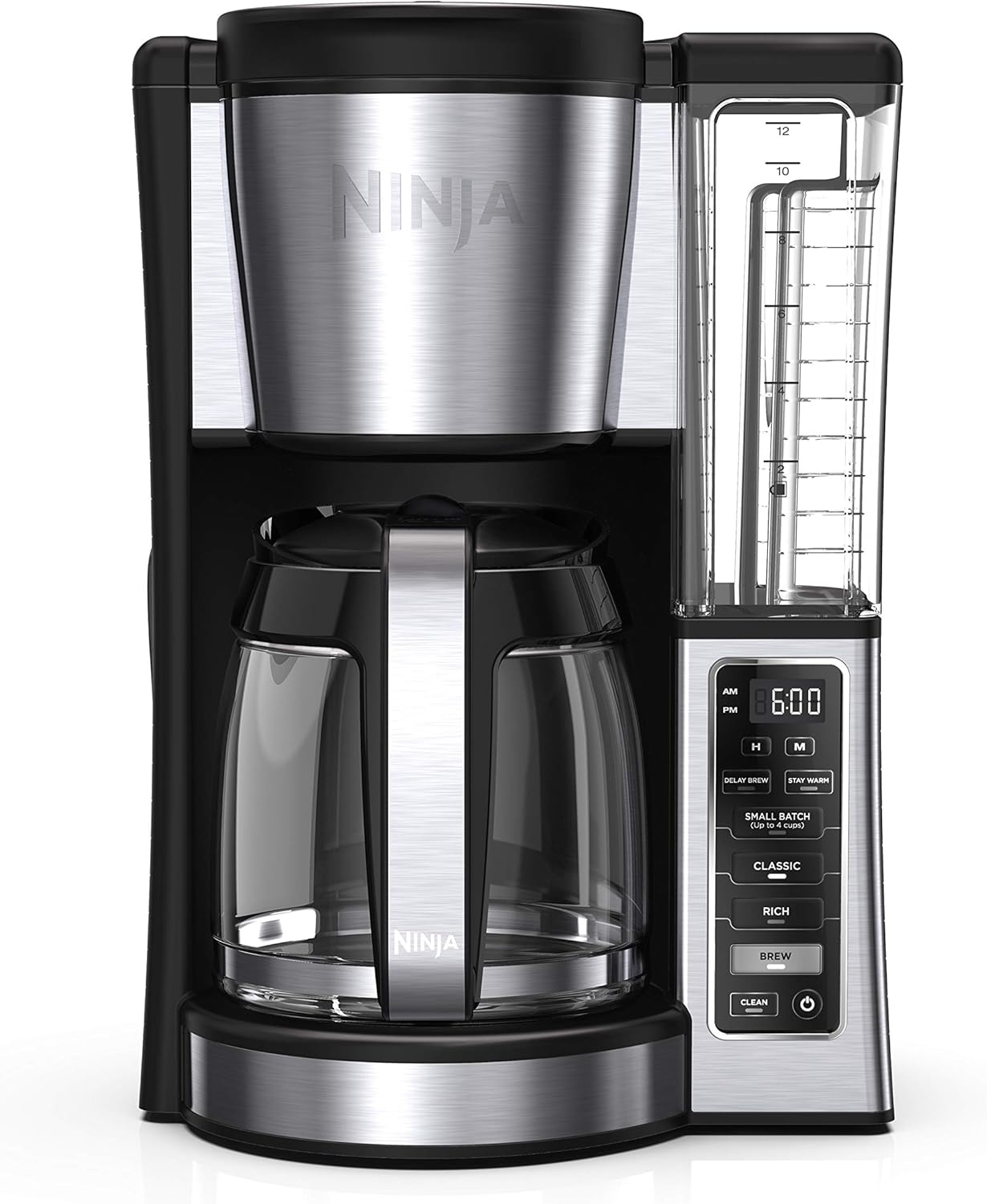
A glass carafe coffee maker is a familiar sight in many kitchens, and for good reason. The see-through pot makes it easy to tell how much coffee is left and how dark the brew is, and the smooth glass surface is simple to rinse clean. This guide explains what to expect from a glass carafe model, how warming plates affect the taste of your coffee, and how to find a replacement carafe that fits your machine.
Why a Glass Carafe Coffee Maker Is So Popular
The biggest reason people choose a glass carafe is visibility. You can glance at the pot and see exactly how much coffee remains, whether the brew looks as strong as you expect, and when it is time to pour another cup. That is especially helpful in a household with several drinkers, because it takes the guesswork out of “Is there more coffee?” It also lets you see the coffee’s color and clarity, which some home brewers find reassuring.
Glass is also nonporous, so it does not absorb the old coffee oils that can build up inside other materials. A rinse with warm water and a soapy sponge removes the previous pot, and you can see whether the carafe is truly clean. This style of brewer suits people who make a pot in the morning and finish it fairly quickly, and anyone who wants a simple, straightforward machine. For a fuller overview of what is available, see our guide to glass carafe coffee makers.
If you brew for one or two people, a full-size pot may be more than you need. In that case, look at compact models that use a smaller glass carafe. Our small coffee maker guide covers machines designed for one or two cups and can help you compare the options.
How Warming Plates Change the Flavor
A warming plate keeps the carafe hot by applying continuous bottom heat. That sounds convenient, but it is not kind to coffee. Freshly brewed coffee has delicate aroma compounds that evaporate quickly when heat is applied for a long time. As the pot sits, the coffee can taste flatter, more bitter, or develop a slightly “cooked” or burnt note. The effect is barely noticeable for the first few cups, but it builds the longer the pot stays on the heater.
A common rule of thumb is to drink the pot within about half an hour of brewing, or pour the leftovers into an insulated server once you have taken your first cup. A thermal server keeps coffee hot without additional heat, so the flavor stays much closer to what it was right after brewing. If your machine has a warming plate that you can turn off or adjust, use the lowest setting that keeps the coffee drinkable rather than the highest one.
Many machines now include auto shut-off, which turns off the warming plate after the brewing cycle finishes or after a set time. If your model has this feature, use it. It saves energy and helps prevent the dreaded “burnt pot” smell. Remember that the plate itself stays hot for a while after the machine turns off, so keep children and pets away from it and follow the manufacturer’s instructions for cleaning and descaling.
Handling Glass Carafes Safely
Glass carafes are made from heat-resistant glass, but they can still break if the temperature changes suddenly. Thermal shock is the main cause of unexpected carafe failures. Avoid placing a hot carafe on a cold, wet counter or directly on a metal sink. Never run cold water into a hot carafe, and never put a hot carafe in the refrigerator. Let the carafe cool gradually on a dry, room-temperature surface.
A cracked carafe is a safety problem even if it does not leak. A hairline crack can spread the next time hot coffee is poured in, and a broken carafe can send shards of glass into the machine or into your cup. Replace a cracked or chipped carafe promptly, and check the lid and handle for damage at the same time. If you notice small chips along the rim, do not use the carafe at all.
When you remove the carafe to pour, set it on a dry trivet or a folded towel. Keep the warming plate free of sticky drips, because buildup can make the carafe sit unevenly and could put uneven pressure on the glass. Hot coffee and steam can burn, so pour carefully and keep the area clear. When in doubt about how to care for your specific carafe, check the manufacturer’s instructions.
Finding the Right Replacement Carafe
When a glass carafe breaks, the most important piece of information is the model number of your coffee maker. It is usually printed on a sticker on the bottom or back of the machine base. Write it down before you shop, because replacement carafes are rarely universal. The shape, height, handle position, lid style, and the valve that controls dripping all need to match your machine.
The pause-and-serve valve deserves special attention. On some machines, the valve sits inside the brew basket and is pushed upward by the carafe lid. On other models, the valve is part of the carafe lid itself. If you buy a carafe with the wrong valve style, the machine may drip constantly or the carafe may not sit flat on the warming plate. When in doubt, check the manufacturer’s compatibility list or contact their support with your model number. Do not rely on a label that says “fits most machines.”
| What to check | Why it matters |
|---|---|
| Machine model number | Ensures the carafe is designed for your specific brewer, not just the same general type. |
| Carafe shape and height | Must clear the brew basket and sit flat on the warming plate so the pause-and-serve valve engages properly. |
| Lid design | Controls the pour and may activate the dripping mechanism on some machines. |
| Pause-and-serve valve | Stops the flow of coffee when the carafe is removed; the wrong type causes drips and mess. |
Even two models from the same manufacturer can use different carafe shapes, so always confirm that the replacement is listed for your exact model. A carafe that is slightly too tall may not fit under the brew basket, and one that is too short may not push the valve high enough to prevent dripping. Take your time with the fit, and if anything feels forced, stop and recheck the compatibility.
Cleaning Coffee Stains From Glass
Coffee oils and tannins eventually leave a brown film on the inside of a glass carafe. The best defense is to wash the carafe most days with warm, soapy water and a soft sponge, then rinse and dry it. For stubborn rings, fill the carafe with warm water and a splash of white vinegar, let it sit for a while, and then scrub with a soft sponge. A paste made from baking soda and a little water also lifts stains without scratching the glass.
Avoid abrasive steel wool or harsh scouring pads, because scratches give stains more places to cling and make the glass harder to keep clear. Rinse thoroughly after any vinegar or baking soda treatment so your next pot does not taste like cleaner. And never plunge a hot glass carafe into cold dishwater, since that can cause thermal shock. Check whether your carafe is labeled dishwasher safe before putting it in the dishwasher; if the label is unclear, hand-washing is the safer choice.
When to Choose a Thermal Carafe Instead
A thermal carafe uses double-wall vacuum insulation instead of a warming plate. Its main advantage is flavor: because there is no continued bottom heat, the coffee stays fresh-tasting much longer. A thermal model also keeps coffee hot for extended periods away from the machine, which makes it a strong option for commutes, offices, or serving at a table away from the kitchen.
The tradeoffs are real. You cannot see how much coffee is left, the carafe is heavier and more expensive, and some thermal models need a fairly full pot to keep the coffee properly hot. If you only brew a cup or two at a time, a large thermal carafe may not pay off, and a glass carafe model may be the better fit. To compare the different styles available, browse our complete coffee makers guide. If you want the visibility and easy cleanup of glass, stick with a glass carafe machine and pour leftovers into an insulated server once the pot has been sitting for a while.
FAQ
Can I use a replacement glass carafe from another brand?
Rarely. Carafe fit is specific to each machine, so the shape, height, lid, and pause-and-serve valve all need to match. Check the manufacturer’s compatibility list using your machine’s model number, and contact them if you are unsure.
Why does coffee taste burnt after sitting on the warming plate?
Continuous heat causes delicate aroma compounds to evaporate and other compounds to break down, producing a flat, bitter, or cooked flavor. Pour leftover coffee into an insulated server after the first cup to keep it fresh without extra heat.
How long should coffee stay on the warming plate?
A common rule of thumb is to finish the pot within about half an hour of brewing. After that, transfer the remaining coffee to a thermal server. Use the machine’s auto shut-off when you are done pouring so the coffee does not sit on heat for hours.
Is it safe to put a glass carafe in the dishwasher?
Only if the manufacturer says it is dishwasher safe. Some glass carafes are, but the high heat and detergents can affect the lid and the valve over time. Hand-washing with warm, soapy water is the gentler choice and usually the safest one.
Glass carafe coffee makers are a practical, transparent choice for everyday brewing. Keep the carafe off cold surfaces, replace it promptly if it chips or cracks, and move coffee off the warming plate when the pot has sat a while. With the right care, a glass carafe brewer can be a dependable way to make a great pot of coffee at home.